Category: The Window Buying and Installation Process

How to Get a Window Replacement Quote Without an In-Home Sales Visit

How to Get a Window Replacement Quote Without an In-Home Sales Visit

Get a window replacement quote with no home visit: send photos and rough measurements, join a virtual consultation, and get a free quote with no deposit.
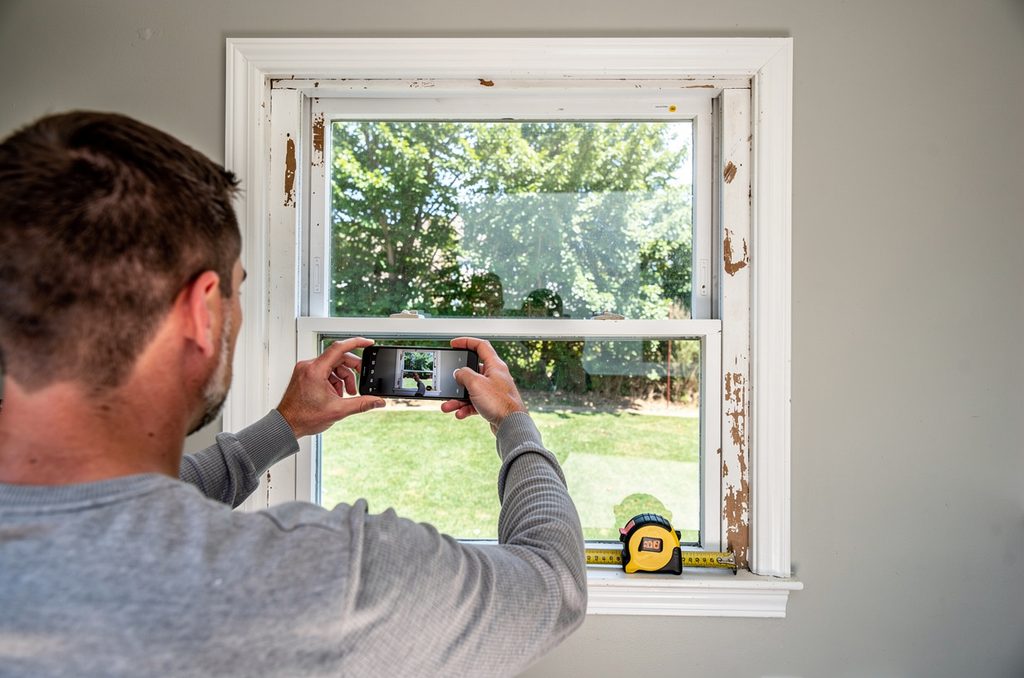
Can you get a window replacement quote without an in-home sales visit? Yes. With Zen Windows, you send our local team a few photos and rough measurements, talk through your options in a quick virtual consultation, and get a free, clear quote with no obligation and no deposit. That's right! Nobody needs to sit at your kitchen table for you to see a real price, so you can review your options on your own schedule without a salesperson in your living room.

Below, we'll walk you through our process step by step, from the first photos you take to the day you pay. We'll also answer two questions homeowners often ask us: why we give you a quote before taking exact measurements, and whether your price changes once we measure.

Why a window quote doesn't require a home visit

Getting a window quote is about pricing, not exact engineering. Every project we price comes down to four simple details: how many windows you need, the styles you choose, the glass package, and how your home is built. None of that requires a salesperson holding a tape measure in your living room. Your photos and rough measurements are all we need to build an accurate quote, saving you the hassle of hosting a stranger before you even know what the project costs.

A traditional in-home appointment is usually a three-hour sales pitch, and we don't need to step into your house to give you a price. In-home sales are known for being so high-pressure that the FTC's Cooling-Off Rule actually gives homeowners three days to cancel most purchases of $25 or more made in their homes. Our photo-based quote skips that pressure entirely. You get to review your price on your own schedule, with no one waiting on your couch for an answer.

What to send for your quote

Here's everything our local Zen Windows team needs to price your project without stepping foot in your house:

  • Your window count. Replacing the whole home? Tell us. Doing a few now and more later? That's okay too! Knowing your count helps us price the job around your budget and timeline.
  • The styles you want. Let us know if you're looking at double-hung, sliding, casement, picture, or bay and bow windows. If you aren't sure yet, no worries! Just say so, and we'll walk through the options during your consultation so you can pick the best fit for each room. You can also browse our window types and styles ahead of time.
  • A few photos. Snap a picture of the inside and outside of each window, or at least each type of window. Your phone camera is plenty for this. Photos let us spot your frame material, trim, and any installation details upfront, which keeps your quote accurate from day one.
  • Rough measurements. Width and height to the nearest inch is all we need to get your quote started. Don't worry about being exact. Our measure technician takes the final, precise measurements before we order your windows, so the fit is on us. If you want a simple way to measure, our 3-step measuring guide walks you through width, height, and depth.

You can send all of this through our online quote form, by email, or on a quick phone call. Most homeowners find the call easiest because we can answer your questions on the spot.

What happens after you send your photos: step by step

Step 1: The virtual consultation

Once we have your photos and project details, your local advisor schedules a virtual consultation. It runs about 45 minutes to an hour, depending on how many questions you have. Because it's online, you can join from anywhere, whether you're on a lunch break, at the park, or out of town. Only one homeowner needs to attend. Don't worry if your spouse or co-owner can't join. Unlike traditional window companies that insist on having every decision-maker in the room, we just want to help you understand your options on your own schedule.

During the call, we'll walk through window styles, frame colors, and glass packages. Energy-efficient glass comes standard to help keep your home comfortable, and we also offer noise-reducing and specialty glass if you want a quieter living space or extra privacy. We'll also explain how installation works for your specific home. Our team members are advisors, not commissioned salespeople, so you'll get clear answers about what you're buying without any pressure to buy it today.

Step 2: Your free, easy-to-understand quote

After the consultation, you'll get a written quote priced specifically for your project. We don't use inflated list prices or bogus one-day discounts, so the number you see is the real price. There's no obligation and no deposit required. You can take as long as you need to compare it against other window quotes, and simply send it back when you're ready to move forward.

Step 3: Ordering and the exact measurement

When you accept the quote, we'll schedule a time for a Zen Windows technician to visit your home. They'll take exact measurements and photos of each window and door so we can send accurate specs to the manufacturer. This is the only home visit we need before building your windows, and it's strictly a measuring appointment, not a sales call.

Does the price change after you measure?

No. Once you confirm your quote, your price is locked, and it stays locked after our technician measures. If the exact measurements come out a little different from your rough numbers, don't worry. Rest assured, there's no “the real price is higher” surprise after the visit.

Step 4: Build and lead time

Our manufacturing partners, ProVia and SoftLite, custom-build your windows to fit your home's exact openings for a tight, draft-free seal. Typical lead time is 4 to 6 weeks after measuring, or at least 8 weeks if you choose a specialty paint color or custom shape. While your windows are being built, we'll send you weekly updates so you never have to wonder where your order stands.

Step 5: Installation day

Once your windows arrive, we'll schedule installation at a time that works for you. Installing a few windows takes just a couple of hours, while a whole-home replacement takes a few days. We just ask that someone is home while our crew works.

Step 6: Payment after installation

You pay nothing until the job is done. That's right! There's no deposit at signing, no money down, and nothing due until your installation is complete. Holding payment until the end gives homeowners total peace of mind that the work will be done right. If you'd rather spread the cost out over time, we offer several financing options to fit different budgets, and your advisor can walk you through them during your virtual consultation. You can also check out the details on our financing page.

Why we quote before measuring

Homeowners sometimes ask us the reverse question: shouldn't someone come out and measure first? Here's why we don't.

We need exact measurements to build your custom windows, not to price them. Your window count, styles, and rough sizes tell us the product cost, and a few photos show us the installation details that affect labor. Measuring before we quote would just put an extra appointment on your calendar without changing your price by a single dollar.

There's a second reason we work this way. By quoting from photos and sending a technician only after you've approved the price, we keep your buying decision completely separate from the home visit. You can look over the numbers at home, on your own schedule. When our technician shows up, they're only there to measure. And rest assured, because your price is locked in before that visit, the final measurements are never an excuse to bump up the cost.

Our guide to the real cost of replacement windows goes deeper into what actually drives the price.

How you see the windows without a showroom

We don't operate a physical showroom, and that's one of the ways we keep the process simple. That's right! Instead of driving across town, you get to explore our products right from the comfort of your own living room. You can check out our windows in three easy ways:

  • The consultation presentation. Your advisor shows you styles, finishes, and energy-efficient glass options right on your screen. We answer your questions as we go, making sure you understand exactly what you are getting.
  • Our brochure. We provide a detailed product brochure that you can keep and compare at your own pace.
  • Product videos. Want to see exactly how these windows operate and tilt in for easy cleaning? Our videos show you the products in action. Our double-hung windows page is a perfect example.

Energy efficiency is a big reason many homeowners replace their windows. Don't worry, our consultation is built entirely around your goals for the home, not a static display wall in a store. If you want to compare our top brands, simply visit our ProVia and SoftLite pages. Each one features a handy product comparison chart to help you find the perfect fit.

How long does window replacement take?

The part where anyone's in your home is measured in hours, not weeks. If you accept your quote within a week or two, here's how a typical project plays out:

StageWhat happensYour time involved
Week 1: QuoteYou send photos, rough measurements, and project details. Virtual consultation (45 minutes to 1 hour). Quote delivered.About an hour, from anywhere
Your reviewYou review the quote with no obligation and no deposit. Confirm when ready.As long as you like
After you confirm: MeasureMeasure technician visits at a scheduled time to take exact measurements and photos. Price stays locked. Order placed.One scheduled visit
Lead time: 4 to 6 weeks after measuringWindows are custom-built. At least 8 weeks for specialty paint colors or special shapes. Weekly updates from your local team.None
InstallInstallation scheduled at your convenience. A couple of hours for a few windows, up to a few days for a whole home. Someone must be home.Home during installation
After installPayment collected. Double Limited Lifetime Warranty begins.Nothing further

The timeline shifts with your own pace. You can take as long as you need to review your quote, and the clock on manufacturing doesn't start until after the measurement, so you're never rushed into ordering.

What's covered once the windows are in

Every installation comes with our Double Limited Lifetime Warranty. We pair the manufacturer's product coverage with our own installation coverage, so your parts and labor are both protected from the day we finish the job. It's a true lifetime warranty with no year limit, and it even covers accidental glass breakage. That’s right! If a stray baseball comes through a pane, you won't pay out of pocket to replace it. You can also transfer the coverage to the next homeowners if you ever sell your house, which is a nice perk for buyers. If anything ever goes wrong, don't worry about getting stuck between a manufacturer and an installer. You just make one call to us, and our own technicians come out to fix it. Rest assured, you get this exact same protection in every market we serve. You can read the full details on our warranty page.

Getting a ballpark before you send photos

If you're early in your research and just want a quick sense of budget, each of our local Zen Windows pages has an instant pricing estimator that gives you a ballpark number in under 30 seconds. That helps you see right away if your project fits your budget without waiting for a callback. Homeowners in the Denver area can try our Denver estimator, and those in the Kansas City area can use our Kansas City estimator. Keep in mind that a ballpark isn't a final quote, though. Don't worry, we make getting your real number easy! Your actual price comes down to your window count, style, glass package, and how your home is built. That's why we offer a photo-based quote, so we can account for those exact details and give you an accurate price without an in-home sales pitch.

Frequently asked questions

Short answers to common questions about quoting without a home visit. Our full FAQ page covers more.

Can I really get a window replacement quote without anyone coming to my house?

Yes. Send your local Zen Windows team a few photos, rough measurements, and your window count and styles. After a virtual consultation of about 45 minutes to an hour, you receive a free written quote with no home visit, no obligation, and no deposit. The only visit before your order is the measuring appointment, and that happens after you've accepted the price.

Why won't someone measure before quoting?

Because exact measurements aren't needed to price the project accurately. Your photos and rough dimensions are enough. The exact measurement happens after you confirm your quote, and it's a measuring appointment rather than a sales call.

Does the price change after you measure?

No. Once you confirm your quote, your price is locked, and it stays locked after the craftsman measures.

Do you require a deposit, or offer financing?

No deposit, ever. You pay nothing until your windows are installed. That's right! If you'd prefer to spread the cost out, we offer several financing options for many scenarios, and we'll walk through them during your virtual consultation.

How much does window replacement cost?

Every project is priced individually, so there's no single answer. Cost depends on the number of windows, the styles you choose, the glass package, and how your home is built. For a quick ballpark, use the instant pricing estimator on your local Zen Windows page. For a real number, send photos and rough measurements for a free quote.

How long does installation take?

Window installation typically takes anywhere from a couple of hours to a few days, depending on how many windows you're replacing. Before that, your custom windows need 4 to 6 weeks to be built, or at least 8 weeks for specialty paint colors or special shapes. Someone needs to be home during installation.

Do both homeowners need to attend the virtual consultation?

No. Only one property owner needs to join. The consultation can happen wherever you are, and you can share the quote and the brochure with anyone else involved in the decision afterward.

How do I know what the windows look like without a showroom?

You see the products during the virtual consultation presentation, in our brochure, and in our product videos. You can compare styles, finishes, and glass options from home, and your local advisor can answer detailed product questions along the way.

Ready to see your price?

We’ve been helping homeowners replace their windows and doors since 1998, with a local team in every market we serve, a 4.8+ average review rating, and plenty of repeat customers. Whether you’re in Denver, Kansas City, or any of our other markets, our process works the same way. Just send us a few photos and rough measurements, talk through your options on a quick virtual consultation, and get a free, no-obligation quote from the comfort of home. That means you don’t have to clear your evening for a long kitchen-table sales pitch. Best of all, we don’t ask for a deposit, and you won’t pay a dime until your new windows are installed. That’s right! Rest assured, there’s zero pressure, so you can start your free quote whenever you’re ready.

No Deposit Window Replacement: How Paying After Installation Works

No Deposit Window Replacement: How Paying After Installation Works

Which window companies don't require a deposit? Zen Windows takes no money down; you pay after installation. See why, how it protects you, and each step.

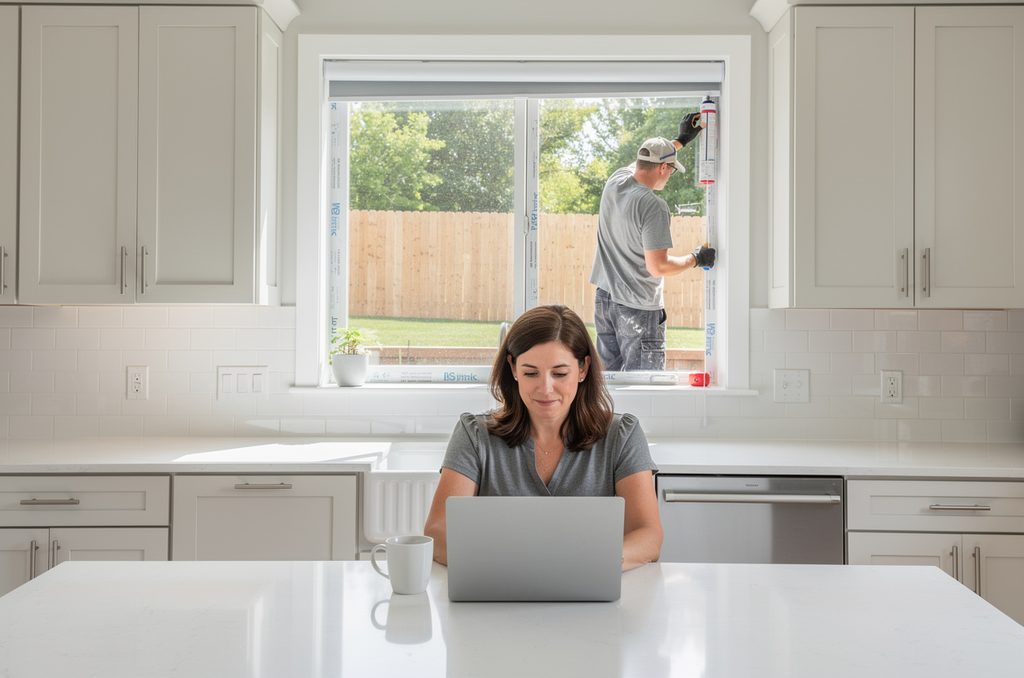
Which window replacement companies don't require a deposit? Zen Windows is one. We don't take a deposit or ask for any money down, so you pay nothing until your project is finished. That's right! You owe nothing when you accept your quote, nothing when we order your windows, and nothing while they're being built. This policy keeps you in control of your budget and ensures we stay accountable for getting every detail right, because we only collect payment after the installation is done and you've inspected the finished work yourself. Below, we'll explain why so many contractors ask homeowners for money up front, why we don't, and how a no-deposit window replacement works from your first photos to your final payment.

Why many window contractors ask for a deposit

Asking for money up front isn't automatically a red flag. Replacement windows are custom-built to fit the exact openings in your home. Once you sign the contract, the installer places a factory order they can't return, and they often have to pay the manufacturer before those windows ever ship. For a smaller company, a deposit covers that upfront material bill and keeps cash flowing between jobs.

The Better Business Bureau says most deposits should fall between 10% and 30% of the total project cost, and that homeowners should avoid any contractor who asks for more than half up front or insists on full payment before starting (BBB). Some states go even further and cap deposits by law. Maryland's Home Improvement Commission, for example, doesn't allow a contractor to take more than one-third of the contract price as a deposit, and they forbid collecting any payment before you sign the contract (Maryland Department of Labor). Because rules vary from place to place, it's always worth checking with your state's contractor licensing board before you sign anything.

Still, when you're replacing every window in your house, even a standard deposit adds up fast. Put 30% down on a whole-home project and you've handed over a big chunk of the total cost weeks before a single window arrives, with nothing in your home to show for it yet.

Why Zen Windows doesn't take a deposit

We don’t ask for a down payment. That’s right! As we explain in our FAQ, we take on all the risk and don’t ask for a penny until your project is finished. We’re confident in our windows and our installations, so rest assured you only pay when you’re happy with the finished work. In fact, our 5 Golden Rules for buying windows start with rule number one: never give a down payment, ever. It wouldn’t make sense to give homeowners that advice and then ask for a deposit ourselves.

There’s a practical reason this works for us, too. We’ve been in business since 1998, and our local teams have spent more than 25 years ordering custom-made vinyl windows from our manufacturing partners, ProVia and SoftLite. Because we’re an established, financially stable company, we can easily cover the cost of your custom order until it’s installed in your home. For you, a no-deposit policy means your money stays safely in your bank account while your windows are being built, giving you complete control over the project. It’s a clear sign that a company can afford to wait to get paid, and that we trust homeowners just as much as we ask you to trust us.

How paying after installation protects you

When no money changes hands until the job is done, you keep all the leverage from start to finish. That's right! Here's what that means for you in practice:

  • Your money isn't tied up for weeks. Custom windows typically take 4 to 6 weeks to arrive, and at least 8 weeks if you order specialty paint colors or custom shapes. When you pay a deposit, your money sits in someone else's account for a month or two while you wait. With us, it stays right in yours until the work is done.
  • You pay for finished work, not promises. The Better Business Bureau recommends staggered payments so homeowners can inspect the work before handing over money (BBB). Paying after installation takes that idea all the way: you get to see every window installed and test how it operates before you pay a dime.
  • No deposit means no deposit to chase. If a project stalls or a contractor disappears after taking a down payment, you're the one stuck trying to get that money back. Rest assured, skipping the deposit takes that risk off the table completely.
  • The incentive runs the right way. Because we only get paid when you're happy with the finished windows, we have every reason to communicate clearly, show up on time, and get the installation right. That's why we send you weekly updates from your first call through installation and beyond, so you always know where your project stands.

Here's one more protection worth knowing about: if you sign a contract during an in-home sales visit, the Federal Trade Commission's Cooling-Off Rule gives you until midnight of the third business day to cancel without penalty, and the company has 10 business days to return anything you paid (16 CFR Part 429). We use virtual consultations so you don't have to deal with in-home sales pressure in the first place, and since we don't take a deposit at signing, you never have to wait around for a refund if your plans change.

Typical deposit-based purchase vs. Zen Windows

Typical deposit-based purchaseZen Windows
DepositOften 10% to 30% of the contract, sometimes moreNone. No deposit, no money down
When you payPart at signing, balance at or near completionOnly after installation is complete
Price after measuringDepends on the contract; check whether the price can change after measuringYour quoted price doesn't change after the measure visit
WarrantyVaries by company; check what's covered, for how long, and whether labor is includedDouble Limited Lifetime Warranty covering parts and labor, no year limit, transferable, same in every market

The “typical” column describes common practice, not any specific company. Every contract is different, so read yours closely for the deposit amount, the payment schedule, and whether the price can change after measuring. For a fuller look at how the conventional in-home sales model compares, see our article on the traditional window-buying process and how to avoid it.

What happens at each step, from quote to final payment

Here's our process from start to finish, along with what you owe at each stage.

1. You send photos and rough measurements

Start with our free quote form. Tell us how many windows or doors you're replacing, the styles you're considering, and their rough width and height to the nearest inch. If you can, include a few photos from the inside and outside. Don't worry about getting the measurements exact! They only need to be close enough for us to price your quote. We'll come out and take the exact measurements ourselves later on.

2. Virtual consultation

Your local advisor will walk you through your options during a 45-minute to 1-hour virtual consultation. You'll look at window and door styles, glass packages, colors, and the products themselves so you can pick the right fit for your home and climate. Because it's virtual, you can join from wherever you are, whether you're on a lunch break, at the park, or out of town. Only one homeowner needs to attend, and there's no home visit required to get your quote. Our advisors aren't salespeople, so the call ends with helpful information, not a push for your signature.

3. Your free quote, with no obligation and no deposit

We'll email you a clear, easy-to-read quote. You can look it over on your own time and share it with anyone else helping make the decision. We don't use inflated list prices or one-day-only discounts, so the price you see is our real price, not a pressure tactic. Accepting the quote and moving forward with your order costs you nothing upfront. That's right! Zero dollars change hands at this step.

4. Measure technician visit

If you decide to move forward, we'll schedule a measure technician to visit at a time that works for you. The technician measures every window and door and takes photos so your replacements are custom-built for an exact, weather-tight fit. It's strictly a measuring appointment, not a sales call, and it's the only visit we need before placing your order. Rest assured, your quoted price won't change after this visit. Homeowners often ask us why we don't measure before quoting. The answer is simple: photos and rough dimensions give us everything we need to give you an accurate price, and doing it this way saves you from sitting through a long in-home sales pitch just to find out what windows cost. Still nothing to pay.

5. Your windows are built

Next, your custom order goes to the factory. Manufacturing typically takes 4 to 6 weeks after your measurement appointment, or at least 8 weeks if you choose specialty paint colors or special shapes. You won't be left wondering how things are going, because we'll check in every week to update you on your order's progress. Still nothing to pay.

6. Installation

Once your windows and doors are ready, we'll schedule the installation at your convenience. You'll need to be home while the crew is working. Window installation takes anywhere from a couple of hours to a few days depending on how many you're replacing. A standard entry door takes a couple of hours, while larger doors and transoms take a bit longer. Our what-to-expect guide walks you through how to get your home ready before the crew arrives.

7. Final payment, after the project is complete

You only pay once your installation is finished. That's right! That's the very first time you pay anything. From that moment on, your Double Limited Lifetime Warranty is in effect. It covers both parts and labor with no year limit, includes accidental glass breakage, and is the exact same in every market we serve. It even transfers to the next homeowner if you sell, which adds peace of mind for you now and value for your buyers later. If you ever need warranty service, you just make one call to us and our own technicians handle the repair, so you never get stuck chasing down a manufacturer. You can read the full details on our warranty page.

What about financing?

If you'd rather spread the cost out over time, that's okay too! We offer several financing plans so you can get your new windows now and pay at a pace that fits your budget. Your local advisor can walk you through the options during your virtual consultation, which means you can compare monthly payments from home without a salesperson at your kitchen table. And financing doesn't change our no-money-down approach: you still pay nothing until your installation is complete. Check out the details on our financing page.

How much does a no deposit window replacement cost?

Skipping the deposit doesn't change the price of your windows. We price every project individually based on how many windows you're replacing, how your home is built, the styles you choose, and your glass package. Energy-efficient glass comes standard to help keep your home comfortable and lower your energy bills, while noise-reducing and specialty glass are available as upgrades if you want a quieter living space or extra privacy. For a quick ballpark, try the instant pricing estimator on your local page, such as Denver or Kansas City. For an exact figure, request a free quote. Our window replacement cost guide goes deeper into each factor.

If you've been putting off replacing your windows because of a big upfront deposit, don't worry. Just send us a few photos, get a straightforward quote online, and keep your money in the bank until the job is done. With a 4.8+ average review rating, plenty of repeat homeowners, and a dedicated local team in every market we serve, we're completely comfortable getting paid last.

Frequently Asked Questions

Does Zen Windows really take no money until the windows are installed?

Yes. You pay no deposit at signing, no money down when we order your windows, and nothing at all until your project is complete. That's right! We only collect payment after your installation is finished and you're happy with the work, and that's how we operate at every Zen Windows location.

Can the price go up after the measure technician visits?

No. The quote you accept is the exact price you'll pay. Our measure technician visits solely to take precise dimensions so we can custom-build your windows for a tight, draft-free fit. It's never a second round of pricing or a hidden sales pitch. Rest assured, you'll know your final cost before anyone ever steps foot in your home.

Does financing still mean nothing up front?

Yes. Financing doesn't change our no-money-down policy. You still pay nothing until your installation is finished, and financing simply lets you break the total into manageable monthly payments afterward. We have several plans available for different homeowners' budgets, and your advisor can go over them during your consultation. Details are on our financing page.

What happens if something goes wrong after the final payment?

Rest assured, paying after installation doesn't mean you're on your own once we leave. Your Double Limited Lifetime Warranty kicks in the day your installation is complete. It covers both parts and labor with no year limit, and it even includes accidental glass breakage, so a stray baseball in the yard won't turn into an out-of-pocket repair bill. If you ever need service, you just make one call to us and our own technicians handle the fix, which saves you from chasing down a manufacturer hotline. The warranty also transfers to the next homeowner if you ever sell your house, adding real value when you list it. Full details are on our warranty page.

8 Window Replacement Tips Every Homeowner Needs To Know

zen windows

8 Window Replacement Tips Every Homeowner Needs To Know

Buying New Windows Can Be Simple if You Follow Our Tips

The windows in your home are essential for bringing in natural light while providing a great view, but if your windows are outdated and inefficient, it may be time to consider a window replacement.

Upgrading your windows can improve the comfort and efficiency of your home while updating its look, but the process can be complex. Here are some tips to help you avoid common pitfalls and make the window replacement process as easy as possible.

Skip the DIY Installation

Many big box stores offer replacement windows at an attractive price, but if you try to do the installation yourself, you may end up with a window that is inefficient, hard to open, or worse, improperly sealed, allowing for water damage and structural problems over time.

It takes skill and experience to install and finish a replacement window properly, and a professional installation offers the best long-term performance and efficiency.

Avoid Pushy Sales Tactics

Many replacement window providers are more interested in making a sale than providing a quality product. Avoid distributors that insist on lengthy, in-home demonstrations before they provide a quote, and don't let them talk you into costly upgrades you don't need.

Choose a Reputable Installer

Make sure your window provider and installer are both reputable companies. Check references when possible, as well as online reviews, Better Business Bureau ratings, and third-party reviews. Be sure the installer is fully licensed and insured for your protection.

Measure Carefully

The accuracy of your quote often depends on the quality of your window measurements. If you're doing it yourself, take your time and measure each window in several places, vertically and horizontally. Keep track of each window by placing them on a drawing or map of your home. For the greatest accuracy, consider having a professional measure your windows.

Select the Best Windows and Features

Choose energy-efficient, durable, and low-maintenance windows. Vinyl or fiberglass windows are great choices, as they offer low-maintenance frames that will last far longer than wood with no warping, twisting, or cracking. Plus, they are more efficient, especially when paired with low-E or insulated, argon-filled glass.

Clean the Work Area

As installation day nears, make sure to clean the area around each of the windows that will be replaced. Move furniture to another room and store belongings in a safe location. Take down any window treatments such as drapes or blinds, and lay down paper or cardboard to protect vulnerable finished floors.

Discuss Installation Plans

Work with your contractor to plan the installation. Choosing a mutually acceptable day will make the process as smooth as possible, as well as agreeing on installation steps, installation order, entry points, travel paths, and other details like bathroom availability.

Check the Work

When the installation is complete, make sure your windows look and work properly and that everything meets your expectations. It is far easier to correct minor issues while the contractor is still there than to bring the contractor back later.

Quality Replacement Windows & Installation Services

When you want quality replacement windows at competitive prices with no pushy sales tactics, turn to our team at Zen Windows. We offer hassle-free, no-obligation window replacement quotes, and we feature a laid-back, no-pressure sales process.

[DisplayIfSet group=”Additional_Pages” setting=”financing”]

The quality of our windows speaks for itself, and we feature some of the best installers in the business. Plus, we make the process of buying your new replacement windows easy, with great financing options and zero down payments.

[/DisplayIfSet]

Contact us online to find your local Zen Windows distributor or call today to request your free, no-obligation replacement window quote!

7 Questions To Ask Before You Buy Windows

zen windows

7 Questions To Ask Before You Buy New Windows

Asking the Right Questions Now Prevents Hassles Later

Looking to buy new windows? Before you choose, you might want to ask your prospective contractor a few questions about their products, process, and people.

What Questions Should You Ask?

Knowing that you should ask questions before committing to buying windows from a company doesn't help much if you don't know the questions to ask. While this is hardly an exhaustive list of every question you might have for a contractor, it's a good place to start, and it may help you think of a few questions of your own you might like to ask.  

[DisplayIfSet group=”Additional_Pages” setting=”warranties”]

What warranties do you offer?

Warranties and guarantees are excellent indicators of the quality of a contractor. Any contractor confident in their work should offer good coverage of that work — after all, a good warranty looks good in their advertising and shouldn't cost them any money if they're doing good work.

[/DisplayIfSet]

When is the first payment due?

You don't want payment to be a surprise when you're working with a window company, and you probably don't want to be spending money well before any work is done on your project. The most confident companies will take payment upon completion because they're not scraping by with cashflow issues (which could become getting-your-windows issues), and they're confident in the work they're going to do for you.

How many window styles do you offer?

A window company should be able to tackle nearly any style of window you might want, with the only limitation being the cost of truly custom designs. You don't want to get funneled into whatever specialty the company has instead of getting what you truly desire — don't settle for the same style throughout the home if you want a variety of interesting designs!

Are your energy-efficiency features standard on all windows?

Well-constructed modern windows are inherently more energy-efficient than their predecessors, but there's no guarantee that you're buying energy-efficient unless you dig into what you're getting. Even if the answer from a company is “no,” they should at least be communicating clearly to you what sorts of energy features you can choose from and what you can expect from a given product or assembly.

What brands do you recommend or work with?

Most window companies work with particular brands, and if they understand the deeper details of the work, they'll have strong recommendations ready when you ask for them. If they suggest the same thing for essentially every request, that's a bad sign — if they have specific picks for your particular needs or preferences, that's great.

Will you handle permitting issues?

Fighting through bureaucracy is a major source of stress on any upgrade to your home or property, which is why it's a great relief when you can forget about all that and leave it to the professionals. At a minimum, you want to know if your planned project requires permits in your area and when or if you'll need to take care of them — but you shouldn't have to unless specific local regulations require your involvement.

What makes you different?

There are countless window companies out there and even more general-work contractors who will do windows if you ask. Perhaps the easiest way to understand what — if anything — a window company has to offer you is to ask what makes them different.

Ask Zen Windows These Questions and More

Now that you have a few questions in mind, you might want to direct them at Zen Windows and see what answers we can provide! We work hard to make buying windows and doors as painless for the consumer as possible, with a huge variety of styles and customization options, hassle-free quotes with no money down, and superior customer service from start to finish.

Ready to get started? Call or contact us online with these questions and more!

Your 3-Step Guide To Measuring Your Windows for Replacement

zen windows

Your 3-Step Guide To Measuring Your Windows for Replacement

How do you measure for replacement windows? Measure width and height in three places, keep the smallest, note the style. Printable table, photo checklist, and common mistakes.

How do you measure for replacement windows? Measure the width of the opening in three places (top, middle, bottom) from the inside face of one side jamb to the other. Then measure the height in three places (left, center, right) from the top of the sill to the underside of the head jamb. Write down the smallest width and the smallest height, in that order, and note the window style (double-hung, casement, sliding, picture, and so on). That's the whole method, and the three steps below walk you through it window by window.

One thing before you grab a tape measure: if you're measuring to get a replacement window quote from us, rough numbers to the nearest inch are plenty. Our online quote process is built around your photos, window count, styles, and approximate sizes so you can get clear pricing from home without sitting through an in-house sales pitch. Rest assured, a Zen Windows measure technician takes the exact measurements before we order anything. Don't worry about being perfect. Being close is enough to get an accurate price.

What you'll need

  • A steel tape measure. It stays stiff and straight across a wide opening, which a cloth or flexible tape won't.
  • Pencil and paper, or your phone's notes app. This Old House suggests starting a fresh page per room with each window labeled by location and type, like “Kitchen, left double-hung.”
  • A step stool or ladder for tall windows and anything above a kitchen counter.
  • A helper if you have large picture windows or sliders. One person holds the tape hook while the other reads the number.
  • Your phone camera for the photo checklist further down.

You don't need a level, an angle finder, or a calculator to get a quote.

Step 1: Measure the width

Stand inside your house and open the window if it opens. Hook your tape on the inside face of one side jamb (the vertical boards that form the sides of the main frame) and run it straight across to the inside face of the opposite jamb. Take the reading at three spots:

  1. Near the top, just under the head jamb.
  2. At the middle, roughly where the two sashes meet on a double-hung window.
  3. Near the bottom, just above the sill.

Circle the smallest of the three. That's your width. Old frames are rarely perfectly parallel, and the narrowest point is the gap your new window actually has to slide into. That's why Andersen's measuring guide and nearly every manufacturer worksheet tell you to use the smallest number.

Always measure wood to wood (or vinyl to vinyl). Don't hook the tape on the interior decorative trim, the thin parting stop, the weatherstripping, or the lock hardware. Marvin's insert window instructions are clear on this: width goes from main frame surface to main frame surface, never from stops or hardware. Measuring to a stop or trim adds that extra thickness to your number and leads to an oversized window that won't fit the opening.

Step 2: Measure the height

Now run the tape vertically. Start at the top of the sill (the sloped board at the bottom of the frame that the window sash rests on when closed) and measure up to the underside of the top head jamb. Don't measure from the flat shelf sticking out into your room. That's the stool, which is interior trim rather than part of the window frame. Take three readings:

  1. Left side, close to the jamb.
  2. Center of the opening.
  3. Right side, close to the jamb.

Circle the smallest number. If your sill is sloped, hook your tape at the highest point of the slope where the inside of the window meets it, and measure straight up from there.

Step 3: Note the style, then write it as width by height

Next to each measurement, write down the window style: double-hung (two sashes that slide up and down), sliding (glides side to side), casement (cranks outward for full top-to-bottom ventilation), picture (a fixed pane for clear views and daylight), awning (hinged at the top to let air in even during a light rain), bay, bow, or a special shape. Matching the style to how you use each room helps us build an accurate quote, since style is one of the main factors that drives price alongside window count, glass package, and how your home is built.

Next, write the final dimensions with width first, height second. A window that's 35 inches wide and 59 inches tall is written 35 x 59, never 59 x 35. Manufacturer order forms always put width before height, and replacement window measurements follow this order across the industry, so sticking to it prevents costly mix-ups. If you only remember one rule from this guide, make it this one.

Optional checks: depth and square

You don't need these two measurements for a quote, and if you skip them, that's okay too! They're simply helpful if you want to see whether your existing frames can take a standard pocket (insert) replacement. Pocket replacements slide right into your current frame without tearing up your interior trim or exterior siding.

  • Depth. With the window open, measure the flat surface of the sill between the inside stop and the outside stop. This Old House notes that a replacement window needs at least 3 1/4 inches of depth to sit securely in the frame. Most homes have plenty of room, and shallow frames usually only show up in modular or mobile homes.
  • Square. Measure diagonally from corner to corner both ways. Andersen's rule is that diagonals within 1/8 inch of each other mean the opening is square, while This Old House allows up to 1/4 inch. If a frame is badly out of square or has wood rot, you'll likely need a full-frame replacement instead of an insert. No worries! We can help you sort that out during your virtual consultation rather than leaving you to figure it out yourself.

Printable measurement table for the whole house

Many homeowners replace windows across the whole house at once, and keeping your numbers on a single sheet prevents mix-ups from room to room. Print your own table or set up a quick spreadsheet with a row for each window. Make sure you measure every window separately, even the ones that look identical side by side. House walls settle and shift over time, so two matching windows in the same room often have slightly different measurements.

Room / locationStyleWidth: topWidth: middleWidth: bottomHeight: leftHeight: centerHeight: rightFinal (W x H)Notes
Example: Kitchen, over sinkDouble-hung35 1/435 1/835 1/459 1/259 3/859 1/235 1/8 x 59 3/8Faces west, condensation between panes


Use the Notes column to share helpful details about each window: which direction it faces, whether it sticks or won't lock, whether the glass is foggy, or if it's in a bedroom or bathroom (so we can plan for fire-escape rules or privacy glass). Also mention if you have a busy street or highway outside, since we offer glass packages that help quiet down outside noise. A quick floor plan sketch with each window numbered helps us match everything up, too.

Photo checklist for a Zen Windows quote

Photos tell our local advisors things a tape measure can't: how your home is built, what the exterior finish looks like, how high the windows sit, and whether there's anything unusual about the trim or the opening. Along with your window count, styles, and rough sizes, we use these photos to price your project accurately without setting foot in your home. Here's what to shoot:

  1. Each window from inside, standing back far enough to show the whole unit and the trim around it, with blinds and curtains open.
  2. Each window from outside, or at least each side of the house. We look at siding, brick or stucco, exterior trim, and story height. A second-story window on a steep lot takes a different setup to install than one at ground level.
  3. A wide shot of each side of the house (front, back, both sides) so we can count the windows and match them to your table.
  4. Any problem areas: rot on the sill, peeling paint, fogged glass, gaps, or water stains on the drywall below.
  5. Anything unusual: a bay or bow window, an arched or round top, two windows joined together in one frame, a kitchen garden window, or a window that's tough to reach from outside.
  6. Doors, if you're replacing those too. Snap photos of your entry, patio, or sliding doors both open and closed, inside and out.

Daylight shots work best. Phone photos are totally fine; nobody's grading your camera work. Upload your photos through our quote form and paste your table into the project details field. From there, your local team will set up a 45-to-60-minute virtual consultation where you'll see the products, walk through your options, and get your questions answered. There's no home visit, no obligation, and no deposit.

Common measuring mistakes

  • Measuring the trim instead of the frame. Trim and stop moldings add extra inches to your reading. Hook your tape measure right against the inside of the jamb (the main frame).
  • Taking one reading instead of three. Older frames settle and shift. A window frame might be narrower at the bottom than at the top, and your new window has to fit through the narrowest spot.
  • Using the largest number. Always record the smallest width and the smallest height. An installer can easily shim and seal a window with a tiny bit of wiggle room, but a window that's too big simply won't fit.
  • Writing height before width. Window pros and factories always list width x height. Label your columns clearly so nothing gets flipped.
  • Rounding up. If you round your numbers at all, round down to the nearest 1/8 inch. For a Zen Windows quote, rounding to the nearest inch is plenty.
  • Starting the height from the interior ledge. That flat wooden shelf inside your room is the stool. Push your tape past it to the sloped outer frame piece, which is the true sill, and measure from there.
  • Assuming look-alike windows are the exact same size. Measure every single opening. House settling, past repairs, and original builder quirks all add up.
  • Measuring from outside. Every reliable guide, from Andersen's to This Old House's, has you measure from inside the home, right between the jambs.
  • Measuring a bay or bow as one big opening. Each section is actually its own window. Measure the center panel first, then each side panel, recording the width and height for each one.
  • Subtracting space for wiggle room yourself. Manufacturers automatically build installation clearance into insert windows (Marvin, for example, makes its inserts 3/8 inch narrower and 1/4 inch shorter than the opening size you give them). Write down the actual opening size and let the pros handle the deductions.

Why rough measurements are enough for a Zen Windows quote

Homeowners sometimes ask why we don't send someone out to measure before giving a quote. The honest answer is that you don't need exact measurements to get an accurate price. Window replacement costs come down to how many windows you need, the styles, the glass package, and how your home is built. Your photos and rough sizes give us all of that. We don't need to sit in your living room to give you a real number, and you don't have to give up an afternoon for a sales pitch.

Once you accept your quote, we schedule a visit from a Zen Windows measure technician at a time that works for you. The technician measures every window and door in your project down to the fraction of an inch and takes detailed photos so the factory builds your replacements to fit right. Rest assured, your quoted price won't change after this visit. That's right! The number on your quote is the exact number you pay, and you don't pay a dime until installation is complete. It's a quick measuring appointment, not a second sales pitch, and it's the only visit we need before placing your order. Our process page walks through each step, and our window replacement cost guide breaks down the pricing factors in more detail.

Exact factory numbers matter because custom replacement windows are made to order. Norm Abram of This Old House puts it bluntly: “Way too many window-replacement projects come to grief because the opening wasn't measured properly before the order was placed.” That's why our measure technician provides the final numbers for the factory, taking the pressure off you. Your tape measure gets you a price; ours gets you a custom-fitted window.

Measuring special cases

Casement and awning windows

Use the same three-width and three-height method, measuring inside the main frame rather than the moving sash. In the Notes column, jot down which side the hinges are on and which way the window cranks open.

Sliding windows

Measure between the side jambs. If the bottom or top track narrows the opening, record the tightest interior measurement. Note whether one or both panels slide, and which way they move.

Bay and bow windows

Measure the width and height of each panel individually, starting with the center panel. Head outside and snap a photo of the roof or cap above the window, too, so we can see how it ties into your home.

Round tops and special shapes

For arched, half-round, triangular, or trapezoid windows, measure the widest point and the tallest point, then take straight-on photos from inside and outside. Our team will work out the angles and curves from there. Keep in mind that special shapes and specialty paint colors have a lead time of at least 8 weeks, compared to 4 to 6 weeks for standard windows.

Older homes and historic districts

If your home sits in a historic district, your local board might have rules on which window styles, materials, or grid patterns you can use. Photos of your current windows and exterior help us spot those requirements early. If you aren't sure whether your neighborhood has restrictions, that's okay too! Just mention it during your virtual consultation, and we'll help you figure out what to ask your local review board.

Frequently asked questions

Do you measure width or height first?

Width first, then height. Measure the width in three places (top, middle, bottom), then the height in three places (left, center, right), and write down the smallest of each as width x height. Every manufacturer and installer uses this order, and sticking to it keeps a 36 x 60 window from accidentally showing up as a 60 x 36.

How accurate do my measurements need to be for a quote?

To the nearest inch is plenty for a Zen Windows quote. Your price depends on window count, style, glass package, and how your home is built, not on eighths of an inch. Before we place your order, our measure technician comes out to get the exact factory measurements, and your quoted price stays locked in. Don't worry if your numbers are rough; that's okay too!

Why won't someone measure my windows before quoting?

Because we don't need exact measurements to give you a firm, accurate price. Your photos and rough sizes show us the window styles, count, and home construction, which is what actually determines the cost. Skipping the upfront home visit saves you time and keeps salespeople out of your living room. Once you approve the quote, our technician measures every opening before we order a thing, and your price won't change.

How much does window replacement cost?

We price every project individually, so there's no one-size-fits-all number. Your total depends on how many windows you're replacing, the styles, the glass package, and your home's setup. Our cost guide explains how each piece works, and the fastest way to get your real price is to request a free quote using your photos and rough measurements. Homeowners in some areas can also get a quick ballpark figure using our online estimators, like the ones for Denver and Kansas City.

Do you require a deposit, or offer financing?

We never ask for a deposit. You pay nothing when you accept the quote, nothing when we order your windows, and the full balance only after your installation is finished. That's right! Zero down. We also offer several financing options to fit different budgets, and using financing doesn't change our no-money-down policy. Your local advisor can walk you through the plans during your virtual consultation.

How long does installation take?

Window installation usually takes anywhere from a couple of hours to a few days, depending on how many windows we're replacing. Door installation runs from a couple of hours for a standard door to a bit longer for large doors with overhead transoms. Before installation day, the factory needs 4 to 6 weeks to build standard custom windows, or at least 8 weeks for specialty paint colors and custom shapes. An adult needs to be home on installation day, and we'll keep you in the loop with weekly updates from your first call until the job is done.

What if my frame is rotted or out of square?

Snap a photo of the trouble spot and mention it in the Notes column. Severe rot or a crooked frame might mean you need a full-frame replacement (which puts in a brand-new frame) instead of an insert replacement (which slides into your existing frame). Your advisor will walk you through the best fix during your consultation, and our measure technician will double-check it in person. Rest assured, whichever route we take, your new windows are backed by our Double Limited Lifetime Warranty, which covers both parts and labor with no year limit and even transfers to the next homeowner if you sell.

Ready to measure? Here's the next step

Jot down your sizes, snap a few photos, and send both to your local Zen Windows team through our free quote form. We've helped homeowners replace their windows without the hassle since 1998, earning consistently high reviews and plenty of repeat customers along the way. You'll get the same straightforward process whether you're in Denver, Kansas City, or any of our other locations. If you'd rather talk to a person first, [give us a call](tel:(877) 583-0423). There's no pressure either way.

How to Choose Energy-Efficient Windows

zen windows

How to Choose Energy-Efficient Windows

Winter is right around the corner, and if your home has older windows, that often means chilly drafts, cold spots, and condensation problems. More importantly, it means higher heating costs and a less comfortable home for your family. If you are considering replacement windows to address these issues, here are a few tips that can help you choose the most efficient windows for your needs.

Select the Best Glass for Your Climate

The type of glass in your windows can have a huge impact on their energy efficiency. When possible, choose dual- or triple-pane glass. These windows have more than one pane of glass with an air pocket between them, creating an insulating layer that is far more effective as a buffer against the cold than a single pane of glass. Filling that space with an inert gas like argon increases the insulating effect even more, keeping your home comfortable for longer with less energy. Low-E glass is another way to increase the efficiency of your windows. It reduces the amount of infrared radiation that can pass through your windows, which keeps your home cooler in the summer.

To maximize your energy savings, look for windows with a low U-factor, which represents the amount of heat that can be physically conducted through the window. In hot climates, choose a window with a low solar heat gain coefficient, or SHGC, which indicates how much heat you can expect to gain from the sun. In cool climates where passive heating is desired during the winter, look for windows with a high SHGC.

Choosing the Best Window Frames

Wood window frames offer decent insulation, but they can easily warp, twist, and rot with exposure to the elements, and they need constant repainting and upkeep to avoid damage. Aluminum windows conduct heat easily into and out of your home. For the best efficiency, consider vinyl or fiberglass windows. Both offer great thermal performance and air sealing, plus they are low maintenance. Choose windows with insulated frames and quality warm-edge seals for the best efficiency, and choose fusion-welded frames for the best seal and greatest durability.

Selecting the Most Efficient Window Styles

If you want to keep out drafts, windows that do not open, like picture windows, are a great choice, but many homeowners enjoy a bit of a breeze and some fresh air during nice weather. For the most efficient operable windows, choose casement windows, awning windows, or hopper windows, as their seals are reliably simple and effective. Double-hung windows are more complex and require several seals to block air infiltration, as they only have one operable sash to seal.

Other Tips to Increase the Efficiency of Your Windows

Adding heavy curtains or drapes to your windows can help to seal out drafts and prevent heat loss during the winter. Simply close them at night to keep the heat contained, then open them during sunny days to take advantage of free solar heating. Inspect weatherstripping on doors and windows often and replace it as necessary to keep out drafts.

Energy-Efficient Replacement Windows From Zen Windows

Are you ready to upgrade your windows? Choose energy-efficient vinyl or fiberglass replacement windows from our team at Zen Windows. We offer a range of frame and glass options to maximize the performance of the windows for your climate, and we make the buying process as easy as possible with fast, free quotes, a hassle-free sales process,[DisplayIfSet group=”Additional_Pages” setting=”financing”] great financing options with no money down,[/DisplayIfSet][DisplayIfSet group=”Additional_Pages” setting=”warranties”] and a lifetime warranty on all our replacement windows[/DisplayIfSet].

Call Zen Windows today or contact us online to request your free, no-obligation window replacement quote from your closest Zen Windows distributor.

Oops, Post Not Found!

Uh Oh. Something is missing. Try double checking things.

This is the error message in the parts/content-missing.php template.