Category: The Window Industry

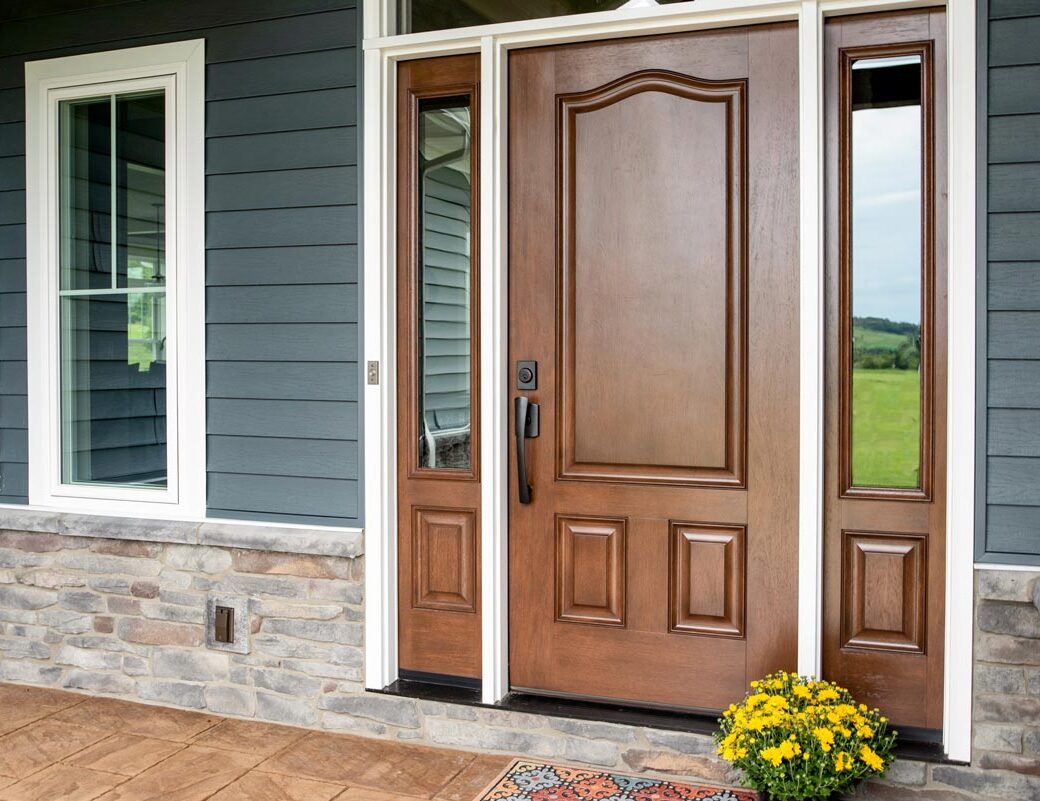
5 Signs It’s Time to Replace Your Front Door

Your front door works harder than almost any other part of your home — and in Portland and Vancouver, it works harder than most. Eight months of rain, wet winters, dry summer heat, and the constant humidity swings that come with living between the Cascades and the coast add up to a level of wear that homeowners in drier climates never deal with.

Most people don't think about their front door until something goes obviously wrong. The trouble is that front doors rarely fail all at once. They decline gradually, and the early signs are easy to write off as quirks. That sticky spot becomes normal. The gap of daylight at the bottom becomes something you stop seeing. Meanwhile, your energy bills creep up, your entry gets less secure, and the eventual repair gets more expensive.

Here are five signs that your door has moved past small fixes and into replacement territory — with the specific issues we see most often across Portland, Vancouver, and Salem.

1. You Can Feel a Draft (or See Daylight) Around the Frame

Stand next to your closed front door during a January east wind and hold your hand a few inches from the perimeter. If you feel moving air along the edges, at the threshold, or around the hinges, air is passing through a seal that should be closed.

Better yet, close the door and turn off the entry light during the day. If you can see a line of daylight anywhere around the frame, you have a gap — and where light passes, so does air, moisture, and the wind-driven rain that defines a Pacific Northwest winter.

Why it happens here. Our humidity swings are hard on seals. Weatherstripping compresses and hardens over time, and the constant wet-dry cycling of PNW seasons accelerates it. Thresholds wear down. Wood doors expand through our long wet season and contract through the dry stretch of August, and after enough cycles they no longer sit flush.

Homes in the Columbia River Gorge wind corridor — East Vancouver, Camas, Troutdale, and the eastern edges of Portland — see this faster than most. Sustained gorge winds don't just make a draft noticeable; they drive rain horizontally into any gap that exists.

When it's a repair. If the weatherstripping is visibly cracked or flattened but the door sits square in the frame, replacing the weatherstripping and adjusting the threshold is a legitimate fix.

When it's a replacement. If you've already replaced weatherstripping once and the draft came back within a year or two, the problem isn't the seal — it's the door or frame. A warped slab or a frame that's shifted out of square will keep defeating new weatherstripping.

2. The Door Sticks, Drags, or Won't Latch Cleanly

You've probably developed a technique. Lift the handle slightly while you push. Shoulder it in November. Pull the door toward you before turning the deadbolt.

Why it happens here. Seasonal swelling is the single most common door complaint we hear in this region, and it's a direct product of our climate. Wood absorbs moisture through the rainy season and expands. A door that operates perfectly in July can bind badly by December — that's not a coincidence, it's our humidity cycle.

The other causes worth distinguishing:

  • Loose hinges. Screws back out over time, especially if they never reached the framing stud behind the jamb.
  • Foundation movement. Portland and Vancouver have a lot of homes on expansive clay soils, and older Portland housing stock — the Craftsman and bungalow inventory across Southeast, North Portland, and Vancouver's older neighborhoods — has had a century of seasonal soil movement to shift frames out of square.
  • Warped slab. Common on solid wood doors with a south or west exposure. Our summer sun on one face and conditioned air on the other creates a temperature and moisture differential that bows the slab.

When it's a repair. Loose hinges are a genuine quick fix. Minor seasonal swelling can sometimes be planed, though that's a one-way decision — plane it to fit in February and you may have a gap by August.

When it's a replacement. A warped slab cannot be un-warped. If the frame has gone significantly out of square, or you've already planed and it's binding again, you're past repair. And a door that won't latch cleanly is a security problem — a partially seated latch can be forced with far less effort than a properly engaged one.

3. You See Visible Damage — Rot, Rust, Cracks, or Delamination

This is the sign that matters most in our climate, and it's the one most often caught too late.

Rot is the Pacific Northwest's defining door problem. Roughly 36 to 45 inches of annual rainfall across the Portland-Vancouver metro, concentrated in a long cool wet season, means wood doors and frames spend months at a time with limited opportunity to dry out. Add the tree cover and north-facing exposures common across the region and you get conditions where moisture sits.

Walk outside and check your door in good light:

On wood doors, press a thumbnail into the wood near the bottom of the door and around the base of the frame. If it gives, that's rot. Look for splitting where stiles and rails meet. Peeling or bubbling paint usually means moisture underneath.

Check the bottom edge and the threshold. This is where water sits and where damage starts — and it's the part almost nobody inspects. In our climate, it's where you'll find the problem first.

Look for moss or algae growth on the door face or in the frame joints. If moss is establishing on your entry, that area is staying wet long enough to support it, and the wood underneath is doing the same.

On steel doors, surface rust on a scratch can be sanded and repainted. Rust that has eaten through the skin is structural — once compromised, the insulating foam core starts absorbing moisture and the door loses both insulation value and rigidity.

On fiberglass doors, look for delamination and cracks around hardware. Fiberglass handles our climate better than most materials, which is a large part of why we recommend it here.

When it's a replacement. Rot deeper than the surface. Rust through the skin. Cracks through the slab. Any damage to the frame itself.

The reason to act early is that water intrusion doesn't stay put. What starts as a replaceable door becomes a threshold repair, then a subfloor repair, then framing. In a climate this wet, that progression happens faster than homeowners expect.

4. Your Energy Bills Have Climbed Without a Clear Explanation

If your heating costs have risen year over year without a change in usage, the building envelope is worth examining. Doors and windows are the usual suspects because they have moving components and seals that degrade.

Why an old door leaks energy here. Our climate puts specific pressure on entry doors:

  • Long heating season. Portland and Vancouver run heating loads from roughly October through May. That's more than half the year during which every gap around your door is costing you.
  • Growing cooling load. Summer heat events have made cooling a real factor in this region in a way it wasn't twenty years ago. Homes built for mild summers now run AC in July and August, and a leaky door works against you in both directions.
  • Poor insulation value in older doors. A solid wood door — often assumed to be the premium option — has a relatively modest R-value. Older hollow-core or thin steel doors are worse. Modern insulated fiberglass and steel doors use polyurethane cores that substantially outperform older construction.
  • Single-pane decorative glass. Common in Portland's older housing stock and a significant weak point. Modern equivalents use insulated glass with low-E coatings.

Worth checking: Energy Trust of Oregon and Clark Public Utilities both offer resources for homeowners looking at envelope improvements, and it's worth seeing what applies to your situation before you buy.

5. The Door No Longer Meets Your Security or Style Needs

The first four signs are about failure. This one is about fit — and it's just as legitimate a reason to replace.

On security. A front door is only as strong as its weakest component:

  • Hollow-core or thin panel construction that can be kicked through regardless of the lock.
  • Short strike plate screws. The standard three-quarter-inch screws that ship with most locksets anchor into jamb trim, not framing. Longer screws that reach the stud dramatically increase kick-in resistance — a cheap upgrade worth doing on any door.
  • Rot-softened frames that won't hold a strike plate securely. This is where our climate and security intersect: a frame with moisture damage can't anchor hardware, no matter how good the hardware is.
  • Large single-pane glass within arm's reach of the interior deadbolt.

If your door's core construction is the weak point, upgrading the lock doesn't solve much.

On style and light. Front door replacement consistently performs well in cost-recouped analyses — it's the most visible single change you can make to a home's exterior for a modest cost.

There's also a specifically Pacific Northwest reason to consider glass: we get limited daylight from November through February, and adding a sidelight or a larger glass panel to a dark entry makes a real difference in how a home feels through the gray months. It's a common motivation for replacement here that has nothing to do with the old door failing.

On character. Portland and Vancouver have a lot of homes worth matching — Craftsman bungalows, mid-century ranches, Victorians in older neighborhoods. If a previous owner installed a door that fights the architecture, replacing it with something that fits is a worthwhile project on its own terms.

How to Decide: Repair or Replace

Lean toward repair when the structure is sound, the frame is square, the damage is cosmetic or limited to replaceable components, and you haven't already fixed the same problem before.

Lean toward replacement when the slab is warped, rotted, or rusted through; the frame is out of square or has moisture damage; you've repaired the same issue more than once; or the construction is fundamentally inadequate for insulation or security.

One PNW-specific note: replace the frame along with the door when the frame shows any rot. A slab-only replacement is cheaper and works fine when the existing frame is solid — but in our climate, frame rot is common enough that it's worth having someone actually check rather than assume. Installing a new door into a rotted frame reproduces every problem you were trying to solve, and the rot keeps spreading behind your new door.

What to Do Next

If two or more of these signs describe your front door, it's worth getting an assessment.

At Zen Windows Portland, we serve homeowners across Portland, Vancouver, and Salem, and we've built our process around removing the pressure from this decision. There's no in-home sales pitch and no four-hour presentation — you can get a written quote by phone or email, take as long as you need with it, and talk to us when you're ready. Our products carry a lifetime warranty covering materials, labor, and glass, and we don't take a deposit until installation day.

Before you reach out, it helps to have a few things noted: how long the door has been in place, what it's made of, whether the problem is seasonal or year-round, what you've already tried, and whether you see any soft spots or discoloration at the bottom of the frame. That turns a vague conversation into a specific one, and you'll get a more accurate answer faster.

A front door should last decades, even in a climate like ours. When it stops doing its job, replacing it is one of the more satisfying improvements you can make — and it's something you'll notice every single day.

Ready for a no-pressure quote? Contact Zen Windows Portland to get started.
You Are Just Looking? Why This is a BIG Mistake

Dining room featuring a wooden table, chandelier, and double hung windows with cottage grids, adorned with curtains.

We hear it all the time — and honestly, we get it.

“We're not ready to buy yet. We're just looking around.”

That's a totally reasonable place to be. Replacing your windows is a real investment, and you want to make sure you're making the right call. No one should rush into it.

But here's something worth knowing while you're in research mode: the window problems that sent you looking in the first place? They don't take a break while you decide.

In fact, the issues homeowners notice — the drafts, the foggy glass, the window that takes both hands to open — will get worse over time, not better. And the longer they go, the more those problems start to cost you in ways you might not even notice yet.

That draft you've been ignoring? It's adding to your energy bill every single month.

Drafts are one of the most common reasons homeowners start thinking about new windows. You feel a chill near the glass in winter, or you notice the room just never quite gets comfortable even with the heat cranked up.

What's happening is that the seal around your window — or the glass itself — has broken down. And once it starts letting air through, it doesn't self-correct. Over time, the gaps get slightly wider, the weatherstripping breaks down more, and your HVAC system works harder and harder to compensate.

The result? Higher energy bills, month after month, for as long as you wait.

New windows with modern insulated glass and a properly sealed frame stop that cycle. Many of our customers are genuinely surprised by the difference they notice on their first utility bill after installation.

Fogged or condensation-covered glass means the seal is already gone — and it will only spread.

If you're seeing a hazy film between the panes of glass that you can't wipe off, that's not a cleaning issue. It means the airtight seal between the panes of your insulated glass unit has failed, and the moisture has gotten in.

Once that seal is broken, it's gone. There's no repairing it. The fogging you're seeing now will likely get worse as temperatures fluctuate and more moisture is pulled in and out of the space between the panes.

Beyond the visual frustration, failed seals mean you've also lost the insulating value of that glass. It's essentially a single pane at that point — with all the energy loss that comes with it.

The longer you look at foggy windows, the longer you're paying for something that isn't performing the way it should.

That window that sticks or won't stay open? It's more than a nuisance.

Windows that are hard to open, won't latch, or prop themselves open with a stick instead of a built-in mechanism are a really common frustration in older homes — and it tends to get worse, not better.

Wood frames swell and shrink with the seasons. Hardware wears down. Balancers fail. And once a window doesn't close and seal properly, you're back to the same energy and comfort problems we talked about above.

There's also the safety side of things. A window that doesn't lock properly is a vulnerability. A window that won't open easily is a problem in an emergency.

New windows open smoothly, lock securely, and stay in the position you put them in. It sounds simple, but if you've been fighting with a stubborn window for a few years, you know how much of a difference that makes in daily life.

So what's the cost of waiting?

We're not going to tell you there's some massive deadline looming. There isn't. You have time to research, compare, and make a decision that feels right.

But it's worth being honest with yourself about what “waiting” actually looks like. It's not a pause on the problem — it's more energy dollars out the door, more months of foggy views you can't do anything about, and another season of wrestling with windows that don't work the way they should.

Most of our customers tell us they wish they'd done it sooner. Not because they were pressured into it, but because once the new windows were in, they couldn't believe they'd put up with the old ones as long as they did.

No pressure — but we're here when you're ready.

If you're in the research phase, that's a great place to be. We'd love to be part of that process. A free in-home estimate doesn't cost you anything, and it gives you a real number to work with as you compare — not a ballpark that ends up being way off.

And if now just isn't the right time, that's okay too. We'll be here.

Here’s Why We Don’t Price Match

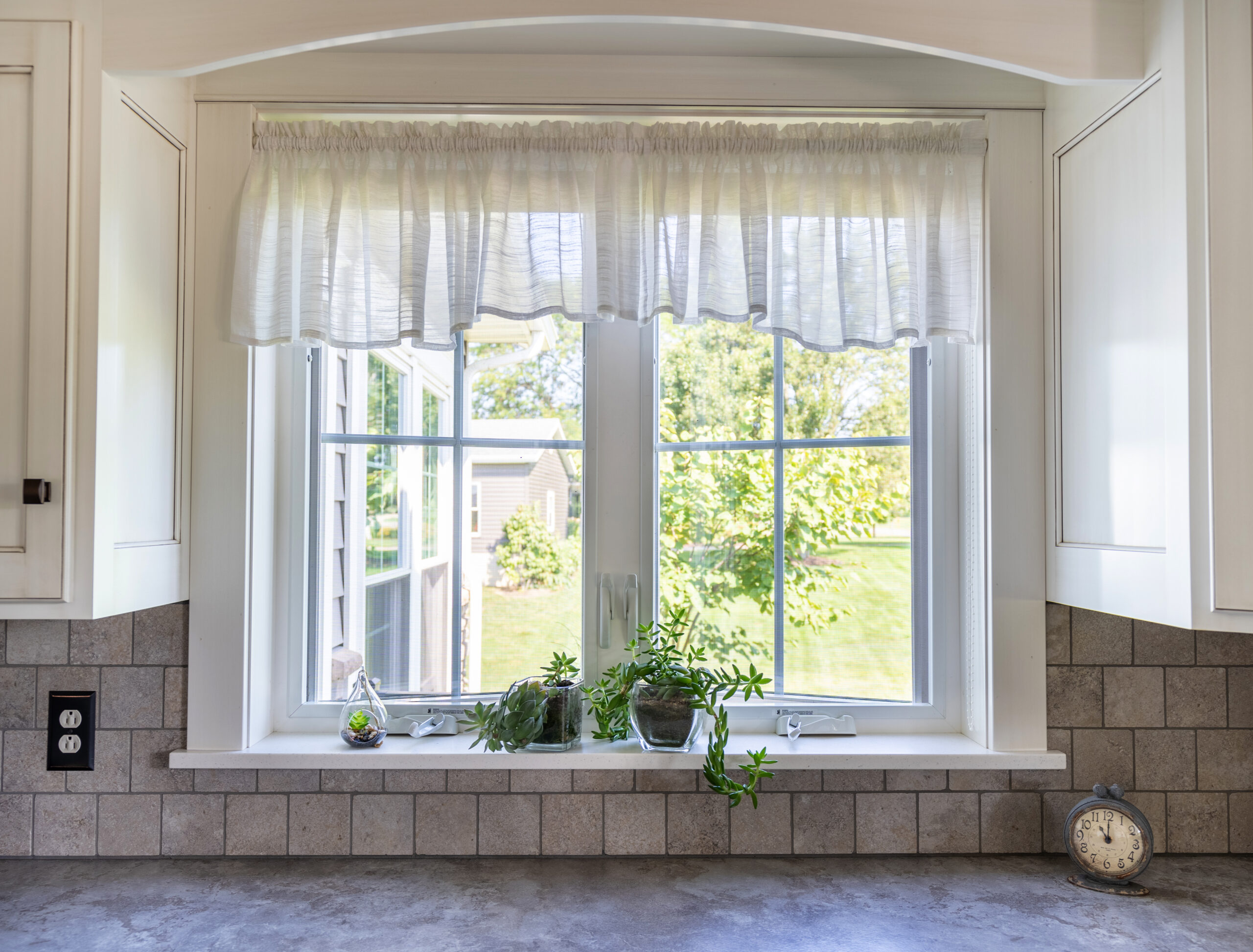
Bright kitchen window with a sheer curtain, plants on the sill, and a view of a green yard outside.

If you've been shopping for new windows in the Portland area, you've probably collected a stack of quotes. And if you've asked us (Zen Windows) whether we'll match a competitor's lower price, you already know our answer: no, we don't.

That answer can feel frustrating in the moment. We get it. When two companies are both selling “windows,” it seems like the price should be negotiable — and that the company unwilling to budge must just be trying to protect its margins. But that framing misses something important about how Zen Windows operates, what we sell, and what we believe you deserve as a homeowner.

We Price Honestly From the Start

The most important thing to understand about Zen Windows is that our prices aren't inflated to leave room for negotiation. There's no “sticker price” that we secretly expect to discount. When you receive a quote from us, that number reflects our actual cost structure: the quality of the products we install, the expertise of our installation teams, the warranty coverage we stand behind, and the customer support we provide after the job is done.

Many companies in the home improvement industry build their pricing models around the expectation of negotiation. They quote high, wait for pushback, and “match” or “beat” whatever the customer has been told elsewhere — making the customer feel like they won something. In reality, the final price was always within their acceptable range. The matching is theater.

We don't play that game. Our quotes are straightforward because we respect your time and your intelligence. What you see is what the job actually costs when it's done right. Price matching would require us to either inflate our starting prices (so we have room to come down) or cut into the actual quality and service built into our work. We're not willing to do either.

Premium Products Cost What They Cost

Windows are not a commodity. Two quotes with dramatically different numbers are almost certainly not quoting the same thing — and when the difference is significant, the gap usually lives in the product itself.

At Zen Windows, we install high-quality, energy-efficient windows designed to perform in the Pacific Northwest climate. Portland's winters are wet and cold; its summers can be surprisingly warm. The windows we recommend are engineered to handle that range — with proper insulation values, durable frames, and seals that don't fail after a few seasons.

Cheaper windows exist. They're real products that some companies genuinely install. But “cheaper” has consequences: lower energy efficiency that drives up your utility bills, frames that warp or discolor over time, hardware that wears out, and seals that fail and cause fogging between panes. A window that costs $200 less today can easily cost you far more over the decade you live with it.

When a competitor quotes you a meaningfully lower price, it's worth asking: where is that difference coming from? Is it the window itself? The installation quality? The warranty? Those aren't minor details — they're the substance of what you're buying. We don't price match because we're not willing to swap out the quality of our products to hit someone else's number.

The Installation Is Half the Product

Even a great window performs poorly if it's installed incorrectly. And installation quality varies enormously in the window industry.

Proper window installation involves precise measurements, careful removal of the existing window and frame, correct flashing and sealing to prevent water intrusion, and exacting fit to ensure the window operates smoothly and insulates properly. Done well, a window installation is invisible — the window just works, season after season, with no leaks, no drafts, no callbacks. Done poorly, the problems can take months or years to surface, by which point some companies are difficult to reach.

Our installation teams are trained, experienced, and held to a consistent standard of quality. We don't use subcontractors whose work we can't control. When a Zen Windows crew installs your windows, we know exactly what happened, who did the work, and how to stand behind it.

That expertise costs money — not because we're padding our margins, but because skilled labor is genuinely more expensive than unskilled labor. A competitor quoting lower prices may well be cutting costs in the installation itself. You won't necessarily know until something goes wrong.

We're Still There After the Job Is Done

The relationship with a window company doesn't end when the crew leaves your driveway. Windows carry warranties, and warranties are only worth as much as the company behind them.

When you invest in Zen Windows, you're investing in a company that will answer the phone when you call, stand behind its work when something needs attention, and treat you like a customer worth keeping rather than a transaction to close. That kind of service takes real infrastructure: people, processes, and a commitment to being around for the long haul.

Companies that compete primarily on price often don't build that infrastructure. They win jobs on low numbers, execute as efficiently as possible, and move on. If you have a problem six months later, you may find that the experience of getting help is very different from the experience of getting a quote.

We've built Zen Windows on the belief that homeowners deserve both — a fair price up front and reliable support for years afterward. Price matching would compromise the second half of that promise.

What We Offer Instead

We understand that budget matters. Home improvement is a significant investment, and nobody wants to overpay. So while we won't match a competitor's lower price, here's what we will do:

Be completely transparent about what you're getting. If you've received a lower quote elsewhere, we're happy to walk through what's included in our quote vs. what might be different in theirs. We'll help you ask the right questions so you can make a genuinely informed comparison.

Help you prioritize. If you're replacing multiple windows and budget is a concern, we can work with you on phasing the project or identifying where the investment matters most. We'd rather help you make the right decision than pressure you into a larger scope than you're ready for.

Stand behind every job we do. When you choose Zen Windows, you're not buying a price. You're buying a result — windows that perform, an installation done right, and a company that's there when you need them.

The Bottom Line

Price matching sounds like a consumer-friendly policy, but in the window industry it often just means the game is rigged. Companies inflate prices, negotiate them down, and call it a deal. The customer feels like they won; the company still gets what it wanted.

We'd rather be honest with you. Our prices reflect our products, our people, and our commitment to quality work. We're not the cheapest option in Portland, and we're not trying to be. We're trying to be the best — and to give you windows you'll be glad you chose long after the installation is finished.

If that sounds like what you're looking for, we'd love to talk.

Not All Vinyl Is Created Equal: The Truth About ProVia’s SunShield® Vinyl

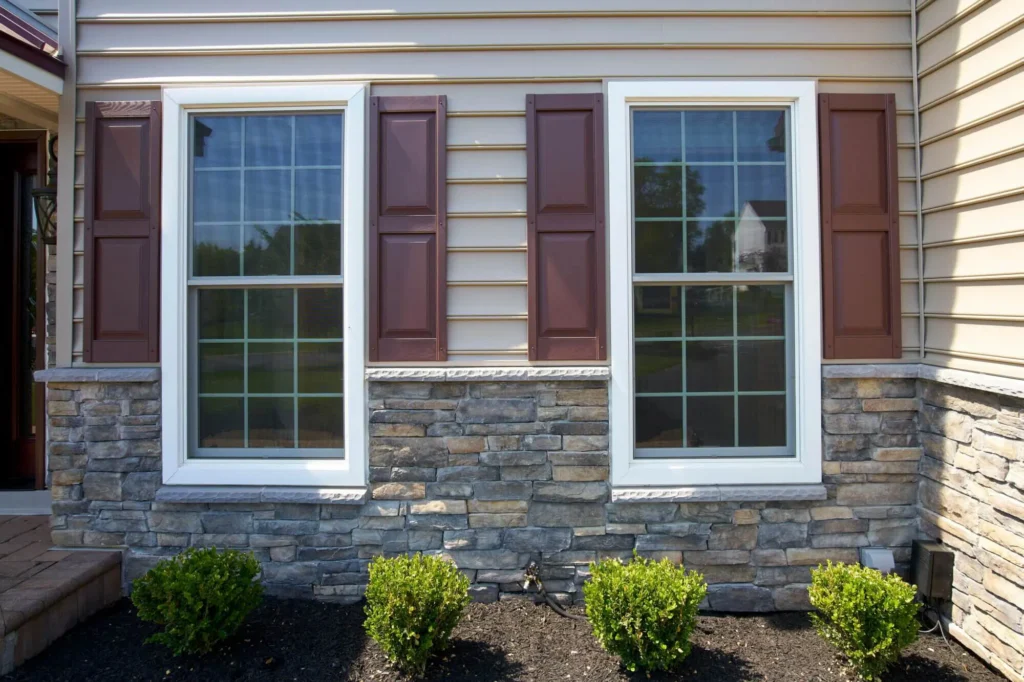
Stylish home exterior featuring large double hung and picture windows, stone accents, and a dining area with outdoor seating.

There's a persistent myth floating around the home improvement world: “Vinyl windows only last 20 years.” Like most half-truths, it starts from a real observation — but it misses the most important part of the story. The quality of the vinyl compound matters enormously, and ProVia's SunShield® vinyl isn't the same material you'll find in a builder-grade box store window.

At Zen Windows Portland, we carry ProVia's SunShield® vinyl windows and serve homeowners throughout Portland, Vancouver, Salem, and the surrounding areas. Here's what we think every local homeowner should know before buying a replacement window.

Where the “20-Year” Myth Comes From

The 20-year figure isn't entirely wrong — it's just describing the wrong windows.

Vinyl windows are available in different grades. Recycled vinyl is made from a variety of recycled vinyl products, and while this can reduce the cost of the window, it can also affect its durability and longevity. Entry-level windows often use recycled or lower-grade PVC compounds, and those products can absolutely show their age within 15–20 years.

Recycled vinyl suffers from inconsistent molecular structure, reduced UV resistance (which causes faster chalking), less predictable thermal behavior, and lower impact resistance. Quality vinyl formulations include titanium dioxide (TiO₂) for UV protection and color stability, impact modifiers for strength and flexibility, heat stabilizers for long-term performance, and processing aids for consistent extrusion. Entry-level vinyl often omits or reduces these additives, which accelerates degradation over time.

In other words, all vinyl is not the same — and the compound used in the frame is one of the most meaningful variables in how long a window lasts.

What Makes SunShield® Vinyl Different

ProVia doesn't use off-the-shelf PVC in its window lines. SunShield® vinyl is uniquely formulated to withstand the harsh effects of weather, UV light, and southern exposure. Pharmaceutical-grade compounding and blending systems provide consistency, so you can rely on superior color and weatherability.

That word “pharmaceutical-grade” is worth pausing on. It signals a level of precision and consistency in manufacturing that's well above what's typical for building products. Industry partnerships and ongoing research into new technologies ensure the vinyl compound exceeds industry standards and works together to offer best-in-class performance. SunShield® vinyl meets or exceeds the standards for strength and color retention established by the American Architectural Manufacturers Association (AAMA).

SunShield® is a proprietary vinyl formulation with superior performance compared to standard vinyl — maintaining color and resisting the deteriorating effects of ultraviolet light over the long term.

Built to Last — Backed by a Warranty That Proves It

One of the clearest signals of how a manufacturer views their own product's longevity is the warranty they're willing to put behind it. SunShield® carries a lifetime transferable warranty against chipping, cracking, peeling, pitting, or blistering for as long as you own and live in your home.

A manufacturer doesn't offer a lifetime warranty on a product expected to fail in 20 years.

This matters especially for homeowners in the Portland metro, Vancouver, and Salem areas. Our Pacific Northwest climate — with its consistent moisture, UV exposure in summer, and cold overnight temperatures — puts real stress on window frames over time. A frame material that resists UV degradation, color fade, and temperature-driven expansion and contraction is directly relevant to how your windows hold up here, decade after decade.

What Actually Determines Vinyl Window Lifespan

The “20-year” misconception often gets applied broadly to all vinyl windows, but the research tells a more nuanced story. Windows manufactured from virgin vinyl compounds with UV stabilizers, featuring fusion-welded corners, multi-chamber frame designs, proper weatherstripping systems, and quality hardware should last 35–50 years minimum.

ProVia's Endure™, Aspect™, and ecoLite™ lines — all available through Zen Windows Portland — check every one of those boxes: SunShield® vinyl compound, multi-chamber frame design, fusion-welded corners via ProVia's FineLine™ technology, and quality weatherstripping and hardware systems.

5 Questions to Ask Any Window Company About Their Vinyl

Before you sign anything, use these questions to cut through the marketing and understand what you're actually buying.

1. Is your vinyl virgin or recycled? Virgin vinyl uses new, unprocessed PVC resin with a consistent molecular structure. Recycled vinyl can introduce impurities and inconsistencies that shorten frame life and accelerate fading. Any reputable manufacturer should answer this clearly.

2. What UV stabilizers are in the compound? Quality vinyl formulations include titanium dioxide (TiO₂) and other additives specifically to resist UV breakdown and color fade. If the answer is vague, that's a signal.

3. How are the frame corners constructed — welded or mechanically fastened? Fusion-welded corners are a sign of quality construction. Mechanically fastened corners (screws, clips) are more common in entry-level products and are more likely to fail over time. You can often see the difference just by looking at the corner.

4. How many chambers are in the frame and sash profile? More chambers mean better insulation and a more rigid frame. Three or more is the standard for quality windows. Fewer chambers is a cost-cutting measure.

5. What does the warranty actually cover — and for how long? A lifetime transferable warranty on the frame material is the gold standard. Ask specifically about coverage for chipping, cracking, peeling, and color fade. A short warranty or a lot of exclusions tells you something about how the manufacturer views their own product's durability.


If you're considering replacement windows in the Portland, Vancouver, Salem, or surrounding areas, Zen Windows Portland would love to show you what SunShield® vinyl looks and performs like in person. Contact us to schedule a free, no-pressure consultation.

Why UV Protection in Your Windows Matters

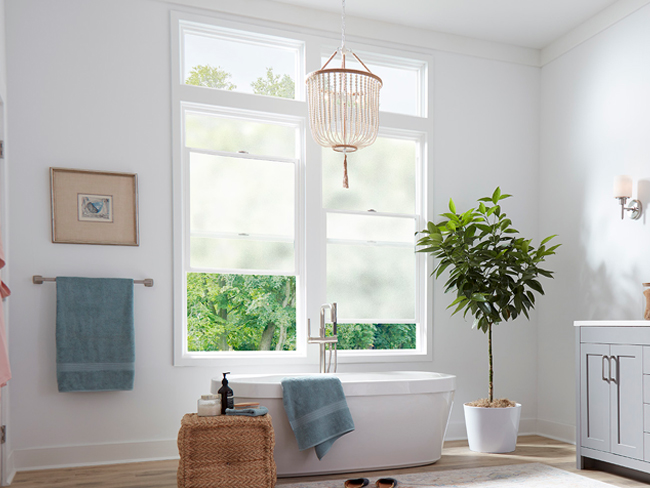
Bright bathroom featuring a freestanding tub, green plant, and light fixtures, with large windows allowing natural light.

Why UV Protection in Your Windows Matters

Serving Vancouver, Portland, and Salem homeowners with Simonton and ProVia window solutions


When most people think about window upgrades, they focus on energy efficiency, curb appeal, or noise reduction. But there's a feature that quietly protects your home every single day — UV coating and infrared blocking technology. At Zen Windows, we help homeowners across Vancouver, Portland, and Salem choose windows built to defend against the sun's most damaging effects, without sacrificing natural light.

What Is UV Coating on Windows?

UV coating — sometimes called a low-emissivity (Low-E) coating — is a microscopically thin layer applied to window glass that filters out ultraviolet (UV) rays from the sun. Think of it like sunscreen for your home. Visible light passes through freely, keeping your rooms bright, while the harmful UV spectrum is blocked before it ever enters your living space.

Most quality windows today incorporate some form of this coating, but the level of protection varies significantly from product to product. That's why working with trusted manufacturers like Simonton and ProVia makes a real difference.

What Is Infrared Blocking Coating?

Going a step further than standard UV coating, infrared (IR) blocking coating — also called infrared-reflective or “inferred blocking” coating — is designed to reduce the amount of solar heat that passes through your glass. Infrared radiation is what you feel as warmth from the sun, even on a cool day.

IR blocking coatings reflect that heat back before it penetrates your home, which means:

  • Less heat gain in your interior during warm months
  • Lower energy bills as your air conditioner works less
  • Greater comfort near windows, even in direct sunlight

Together, UV and IR coatings create a comprehensive shield — one that filters light by wavelength to let in what you want (visible light) and keep out what you don't (UV damage and solar heat).

How Simonton and ProVia Deliver UV and IR Protection

Simonton Windows

Simonton is one of the most trusted window brands in the country, and their glass packages are engineered with Pacific Northwest climates in mind. Their LoE³ (Low-E cubed) glass technology uses triple-surface coatings to block UV rays and reflect infrared heat. This means:

  • Up to 95% of UV rays are blocked from entering your home
  • Solar heat gain is significantly reduced, keeping interior temperatures stable
  • The coating is durable and factory-applied — no maintenance required

Simonton windows are available through Zen Windows across Vancouver, Portland, and Salem, making it easy to upgrade your home with this technology.

ProVia Windows

ProVia windows are crafted with a focus on premium performance, and their glass options include advanced Low-E coatings with infrared-blocking capability. ProVia's Heritage and Endure lines are built for energy performance and long-term value. Their glass packages can be customized for the specific solar conditions in your area — important for homeowners who get more intense summer sun or significant seasonal variation.

ProVia's UV protective glass:

  • Reduces fading of interior furnishings, flooring, and artwork
  • Works alongside argon gas fills for maximum thermal performance
  • Meets or exceeds ENERGY STAR® requirements for the Pacific Northwest climate zone

Why UV Protection Matters — Especially in Summer

Protecting Your Belongings

UV rays don't just affect your skin — they break down materials over time. Hardwood floors, area rugs, upholstered furniture, artwork, and even photographs can fade, discolor, or degrade from prolonged UV exposure through standard glass. UV-coated windows dramatically slow this process, preserving the value and appearance of what's inside your home.

Keeping Your Home Cooler

During summer months in the Portland metro area, Vancouver, and the Willamette Valley, indoor temperatures can rise quickly when sunlight pours through unprotected windows. Infrared blocking coatings reflect solar heat before it enters your space, reducing the burden on your HVAC system and keeping rooms more comfortable — especially south- and west-facing rooms that catch the most afternoon sun.

Energy Savings That Add Up

Windows with UV and IR protection help maintain a consistent indoor temperature. That means your air conditioner runs less frequently and your energy bills stay lower during those peak summer months. Over the lifespan of a window (typically 20–25 years), those savings are substantial.

Better Comfort Near Windows

Have you ever sat near a window on a sunny day and felt uncomfortably warm, even with the air conditioning running? That's solar heat radiating through unprotected glass. With infrared-blocking technology, you can enjoy natural light and scenic views without turning the space beside your windows into a hot zone.

UV Coating and the Pacific Northwest Climate

It might surprise you to learn that UV exposure is a significant concern even in a region known for rain and cloud cover. In Portland, Vancouver, and Salem, summer UV index levels can reach moderate to high levels — and UV rays penetrate cloud cover, meaning even overcast days carry some risk of fading and heat gain.

Additionally, our summers are increasingly warm, with heat events that have put energy efficiency at the top of many homeowners' priorities. UV and infrared coatings are one of the most effective passive tools available for keeping homes comfortable without over-relying on air conditioning.

Is UV-Coated Glass Right for Your Home?

If any of the following sound familiar, it's worth exploring UV and infrared window options:

  • Your hardwood floors or furniture have started to fade near windows
  • You notice significant heat buildup in sun-facing rooms during summer
  • Your energy bills spike during warmer months
  • You're replacing older, single-pane or uncoated double-pane windows
  • You want to reduce your home's carbon footprint without major renovations

Talk to Zen Windows About Your Options

At Zen Windows, we take the guesswork out of window selection. We serve homeowners in Vancouver, WA, Portland, OR, and Salem, OR with a straightforward, no-pressure process. We'll help you understand which Simonton or ProVia glass package makes the most sense for your home's orientation, your local climate, and your goals.

UV protection and infrared blocking aren't premium add-ons — for most homeowners in our region, they're simply the smart choice for comfort, savings, and long-term value.

Ready to get started? Contact Zen Windows today for a free, no-obligation consultation.


Zen Windows serves the greater Vancouver, Portland, and Salem areas. We are proud dealers of Simonton and ProVia windows and doors.

Why Fiberglass Windows Could Be a Smart Upgrade

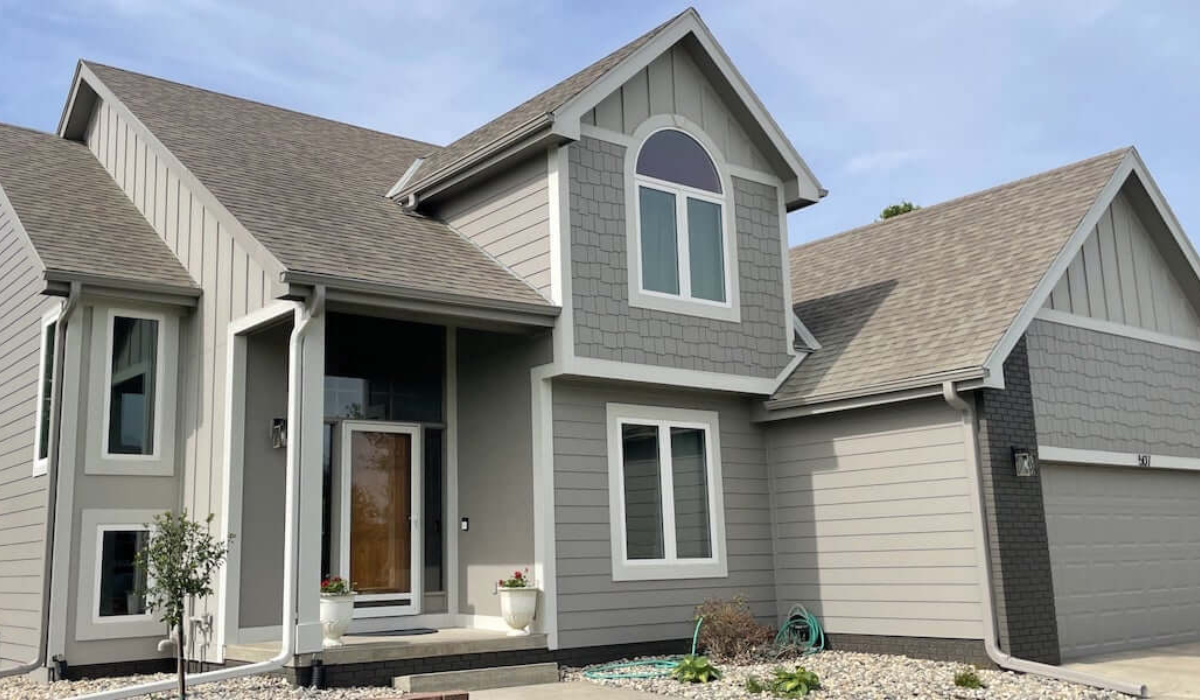
Contemporary two-story house with gray siding, large windows, and a wooden front door, surrounded by landscaping.

Why Fiberglass Windows Could Be a Smart Upgrade

If you've been thinking about replacing your windows, you've probably already discovered that the options are overwhelming. Vinyl, aluminum, wood, composite — and somewhere in that mix, fiberglass. Most homeowners breeze right past it. That's a mistake.

Here's why that matters — and why more homeowners and builders are making the switch.

Choosing the Right Window for Your Goals

There's no shortage of solid window options on the market. Vinyl is a popular, budget-friendly choice that works well for many homes. Aluminum offers a sleek, modern look. Wood brings warmth and classic character. Each material has its place.

But when your goal is maximum long-term performance — the lowest energy bills, the least maintenance, and a window you simply never have to think about again — fiberglass moves to the top of the list. It's not that other materials are bad choices; it's that fiberglass raises the ceiling on what a window can do.

What Makes Fiberglass Different

Fiberglass frames are made from the same material used in aerospace and marine applications — a material engineered to perform under stress, resist the elements, and hold its shape for decades.

The performance numbers are striking:

  • Eight times stronger than vinyl and twice as strong as aluminum
  • Thermal conductivity 500 times lower than aluminum, meaning far less heat or cold transfers through the frame
  • A low coefficient of thermal expansion, so the frame doesn't swell and shrink with the seasons the way vinyl does
  • Resistant to rot, rust, chipping, fading, and weather damage
  • An expected lifespan of 30–40 years — longer than most windows on the market

That last point deserves emphasis. A window that lasts 40 years isn't just a product; it's an investment in your home that you might never have to revisit. Compare that to vinyl, which often shows its age within 15–20 years and you start to see the math differently.

Why EnerLux Stands Out

EnerLux designs, engineers, and manufactures its fiberglass windows and doors entirely in-house in Nebraska. That's meaningful for a few reasons.

Precision fit, guaranteed. For every order, EnerLux guarantees exact dimensions. A window that fits precisely is a window that seals properly — and a window that seals properly is one that actually delivers on its energy efficiency promises. There's no point in buying a high-performance frame if it's going to let air leak around the edges.

Customization without compromise. EnerLux offers casement, awning, and picture windows, along with fiberglass sliding patio doors, in a wide range of colors, glass packages, grille styles, and hardware options. Whether you're building a modern mountain home or renovating a 1960s ranch, there's a configuration that fits. Custom shapes are available too, for projects that go beyond standard rectangular openings.

Buying direct from the manufacturer. EnerLux sells directly to homeowners, contractors, and builders — which means no dealer markup inflating the cost. For a full-house window package, that difference can be substantial.

Triple-pane options for demanding climates. For homes in cold or noisy environments, EnerLux's triple-pane glass packages take performance to another level. Customers with mountain homes and high-wind locations have noted dramatic reductions in both heat loss and exterior noise.

The Bottom Line

Windows are one of those home investments that you live with every single day — in the light they let in, the drafts they block, the energy bills they affect, and the way they shape the look and feel of your rooms. Cutting corners here is a decision that compounds over time.

Fiberglass is the material that simply performs better by almost every metric. And EnerLux is a company that has built its reputation on delivering that performance with craftsmanship, precision, and genuine customer care.

If you're planning a new build or a replacement project, it's worth a conversation with their team before you commit to anything else.

Ready to Experience EnerLux Fiberglass Windows?

If you're in the Pacific Northwest, you're in luck. Zen Windows is a proud authorized dealer of EnerLux fiberglass windows, serving homeowners across Vancouver, Portland, and Salem. Our team knows these products inside and out and can guide you through every step — from selecting the right window style and glass package for your home to a seamless installation. Give us a call today to get started.

Oops, Post Not Found!

Uh Oh. Something is missing. Try double checking things.

This is the error message in the parts/content-missing.php template.