Category: Window Education

Why We Sell Fiberglass Windows Alongside Vinyl

why we sell fiberglass windows

For years, vinyl windows have been the most popular choice among our customers—and for good reason. A well-made vinyl window offers excellent energy efficiency, dependable performance, low maintenance, and strong value for the money.

But we also kept hearing the same question from homeowners:

“Do you offer fiberglass windows?”

As more customers began asking, we listened. Some had researched fiberglass and liked its strength and stability. Others wanted slimmer frames, more glass, or a particular architectural appearance. Many simply wanted a premium alternative to vinyl.

We decided that if we were going to offer fiberglass, it had to be a product we genuinely believed in. After evaluating the available options, we chose EnerLux.

Today, we’re proud to sell EnerLux fiberglass windows alongside our vinyl window lines. This allows us to recommend the window that makes the most sense for each home instead of trying to fit every homeowner into a single product.

why we sell fiberglass windows

Why We Chose EnerLux

EnerLux is a family-owned manufacturer that has been producing fiberglass windows and doors in Crete, Nebraska, since 2008. Its windows combine strong fiberglass frames with high-quality glass, precision manufacturing, and extensive customization options.

Several EnerLux features stood out to us:

  • Strong, dimensionally stable fiberglass frames
  • Slim frame profiles that allow for more visible glass
  • Double- and triple-pane glass packages
  • Foam-filled frame cavities for improved thermal performance
  • Continuous weatherstripping and tightly constructed corners
  • Numerous color, grille, glass, and configuration options
  • Casement, awning, picture-window, and patio-door products

Most importantly, EnerLux gave us a fiberglass option that complemented our vinyl products rather than simply duplicating them.

Why Do Some Homeowners Prefer Fiberglass?

Vinyl remains an excellent option for many homes. It is affordable, energy-efficient, moisture-resistant, and easy to maintain. Fiberglass does not make vinyl obsolete.

It does, however, offer some characteristics that certain homeowners value enough to justify the additional cost.

Greater Strength and Stability

Fiberglass is exceptionally strong for its weight. That strength allows manufacturers to create rigid frames that resist bending, bowing, and twisting.

Fiberglass also expands and contracts very little as temperatures change. Because the frame remains more dimensionally stable, it can help the window maintain consistent alignment and tight seals over time.

That stability is especially appealing for large windows, demanding installations, and homeowners who view their windows as a very long-term investment.

Slimmer Frames and More Glass

The strength of fiberglass makes it possible to build relatively slim frame profiles without sacrificing structural performance. A slimmer frame means more visible glass within the same rough opening.

For homeowners trying to maximize natural light or preserve an outdoor view, that difference can be important. The clean profile also works particularly well with contemporary and modern home designs.

Larger Window Possibilities

Fiberglass can be a strong choice for oversized picture windows and other large openings. EnerLux’s fiberglass construction allows certain products to be manufactured in larger sizes than may be practical with some other frame materials.

That makes fiberglass worth considering when a project calls for expansive glass, dramatic views, or fewer visual interruptions.

Long-Term Durability

Homeowners who choose fiberglass are often thinking beyond the initial purchase price. They want a frame material known for strength, stability, weather resistance, and minimal upkeep.

Fiberglass does not rot, and it resists corrosion, pitting, and denting. For someone planning to remain in a home for many years, those long-term characteristics may be worth paying more for upfront.

Design and Customization

Some homeowners simply prefer the appearance of fiberglass. Its slim profiles, clean lines, custom color options, and ability to accommodate large glass areas can create a distinctive architectural look.

This is particularly valuable when the windows are a major part of a home’s design rather than merely a functional component.

Why Are Homeowners Willing to Pay More?

Fiberglass windows generally cost more than comparable vinyl windows. That difference reflects the material, manufacturing process, structural capabilities, and position of fiberglass as a premium window product.

Homeowners who select fiberglass are usually paying more for a combination of:

  • Increased frame strength
  • Greater dimensional stability
  • Slimmer profiles
  • More visible glass
  • Larger potential window sizes
  • Premium appearance and customization
  • Confidence in long-term performance

The additional investment will not be necessary for every project. If a homeowner wants reliable, efficient replacement windows at an accessible price, quality vinyl remains difficult to beat.

But when strength, large openings, architectural appearance, or long-term material stability are especially important, fiberglass can be well worth the additional cost.

Does Fiberglass Have an Advantage in the Pacific Northwest?

The Pacific Northwest presents an interesting environment for windows. Our homes experience long wet seasons, cool winters, increasingly hot summer days, and regular transitions between damp, mild, cold, and warm conditions.

Both quality vinyl and fiberglass windows can perform very well in this climate. Vinyl is naturally moisture-resistant and has helped countless Pacific Northwest homeowners improve their homes.

Fiberglass may offer an advantage for homeowners who prioritize dimensional stability through changing weather conditions. Its low rate of expansion and contraction helps the frame maintain its shape as outdoor temperatures fluctuate.

The material’s strength can also be helpful for larger windows exposed to wind and weather. Combined with appropriate glass, weatherstripping, and professional installation, a fiberglass frame can create a durable window system suited to the region’s varied conditions.

It is important to remember, however, that the frame material is only part of the equation. Glass selection, window design, manufacturing quality, installation, and the specific location of the window all influence performance. A premium frame cannot compensate for the wrong glass package or poor installation.

That is why we look at the entire project instead of recommending fiberglass simply because it costs more.

Vinyl or Fiberglass: Which Should You Choose?

The right answer depends on your home and priorities.

Vinyl may be the better choice if you want:

  • Excellent performance at a competitive price
  • Low-maintenance, moisture-resistant frames
  • A broad selection of familiar window styles
  • The greatest overall value for your budget

Fiberglass may be the better choice if you want:

  • Exceptional strength and stability
  • Slim profiles and more visible glass
  • Large or architecturally distinctive windows
  • Premium finishes and customization
  • A long-term upgrade and are comfortable with a higher initial cost

Neither material is universally “best.” The best window is the one that fits your home, design preferences, performance needs, and budget.

More Options, Better Recommendations

We added EnerLux fiberglass windows because our customers asked for them—and because we found a product we felt confident offering.

Providing both fiberglass and vinyl allows us to have a more useful conversation with every homeowner. Sometimes fiberglass is exactly what a project needs. Other times, vinyl delivers everything the homeowner wants without the additional expense.

Our job is not to steer everyone toward the most expensive window. It is to explain the differences clearly, help you compare the options, and recommend a solution that makes sense for your home.

If you’re deciding between vinyl and fiberglass windows, Zen Windows Portland can help you evaluate both—without pressure, pricing games, or an hours-long sales presentation.

why we sell fiberglass windows

What Does the ProVia Warranty Actually Cover?

A circular badge featuring the word "WARRANTY" with stars and a ribbon design.

The ProVia warranty is strong on replacement parts, insulated-glass seal failure, and even certain accidental glass breakage—but it generally does not cover the labor or transportation required to install replacement parts.

This summary applies to ProVia Aeris, Endure, and Aspect windows and patio doors under the warranty dated March 15, 2024.

What it covers

ComponentCoverage for original homeowner
Basic vinyl window or patio-door unitLifetime
Factory-applied paint on vinyl15 years
Factory-applied paint/stain on interior wood10 years
Moving hardware and locking mechanismsLifetime
Certain patio-door handle finishesLifetime
Other painted patio-door handle finishes1 year
Eligible insulated glass using Super SpacerLifetime against covered seal failure
Internal blinds10 years
Eligible glass breakageLifetime
Screens and FlexScreensLifetime against specified manufacturing defects
Bay, bow, and garden windows10 years

“Lifetime” generally means for as long as the original purchaser owns and lives in the single-family home where the product was originally installed.

The most valuable protections

Window frame and sash components

The rigid vinyl and factory-applied wood components are covered against manufacturing defects that cause:

  • Chipping
  • Cracking
  • Peeling
  • Pitting
  • Blistering
  • Warping
  • Delamination

Factory-installed jamb extensions are specifically excluded from this basic-unit coverage.

Hardware

Moving components—including double-hung window balances and locking mechanisms—have lifetime coverage against defects in materials and workmanship under normal use and wear.

This does not necessarily mean ProVia will fix every window that becomes difficult to operate. The problem must be attributed to a covered product defect, rather than installation, maintenance, building movement, abuse, or another excluded cause.

Insulated-glass seal failure

Eligible insulated-glass units made with Super Spacer carry lifetime coverage when failure of the airtight seal produces film between the interior glass surfaces that materially obstructs the view.

Important limitations:

  • Minor spots, lint, marks, and scratches within applicable glass-manufacturing standards are not considered defects.
  • Exterior or interior surface condensation is not seal failure.
  • Seal failure after the glass has been immersed in water is excluded.
  • Not every specialty glass configuration may qualify, so the exact glass package should be confirmed.

Accidental glass breakage

This is an unusually useful part of the warranty. ProVia states that it will replace eligible glass when:

  1. The breakage results from a manufacturing defect; or
  2. An accident occurs in the home and the loss is uninsured or falls within the homeowner’s insurance deductible.

The window must be properly registered and otherwise covered by the warranty. This protection lasts while the original purchaser owns and lives in the home.

It does not cover glass units containing internal blinds or glass in garden windows.

Screens

Lifetime screen coverage is limited to manufacturing defects involving rotting, staining, or rusting of the specified screen material.

It does not cover torn mesh caused by pets, accidents, negligence, abnormal use, or other circumstances outside ProVia’s control. In practical terms, ordinary screen tears are not covered.

What “transferable” really means

Only the warranty on the basic window or patio-door unit is expressly transferable. It may be transferred:

  • Once
  • To the next purchaser
  • When the property remains that purchaser’s personal residence
  • If the transfer is completed online within 30 days after ownership changes

The document does not say that all original-owner benefits—such as lifetime glass breakage, hardware, screens, or insulated-glass coverage—transfer to the second homeowner. Therefore, homeowners should not describe the entire warranty as fully transferable without qualification.

What ProVia will provide

If the contractor inspects the product and determines that it is defective, ProVia may choose to:

  • Repair it;
  • Supply a replacement product; or
  • Supply a replacement component.

If the original product is discontinued, ProVia may substitute one of equal quality or value.

However, ProVia only promises to ship the replacement to the nearest authorized dealer.

What the homeowner may still have to pay

The warranty states that the purchaser is responsible for:

  • Labor to install the replacement product or part
  • Transportation from the authorized dealer to the residence

This is the biggest practical limitation. A replacement glass unit, sash, or component may be supplied at no charge while the homeowner still owes service, delivery, removal, or installation costs.

A separate labor warranty offered by the installing dealer could cover those expenses, but that would be the dealer’s warranty—not ProVia’s manufacturer warranty. It should be obtained in writing.

Major exclusions

The warranty does not cover damage or problems resulting from:

  • Improper installation
  • Failure to perform reasonable maintenance
  • Abuse, negligence, or abnormal use
  • Natural weathering or fading
  • Uneven fading caused by unequal sun exposure
  • Customer-applied tint, film, paint, or other finishes
  • Condensation, frost, or freezing caused by indoor humidity
  • Exterior caulking deterioration
  • Building movement
  • Inadequate allowance for frame expansion or contraction
  • Fire, lightning, windstorms, earthquakes, or windborne objects
  • Other events outside ProVia’s control
  • Installation outside the continental United States
  • Damage to other property or other consequential losses

Caulking is specifically treated as the homeowner’s maintenance responsibility.

Coastal, commercial, and multifamily limitations

Coverage is reduced for products installed in defined coastal regions. For example, non-stainless casement and patio-door hardware mechanisms receive five years of mechanical coverage in those areas.

For nonresidential and multifamily installations, coverage is substantially shorter:

  • Basic unit: 5 years and nontransferable
  • Hardware: 1 year
  • Insulated glass: 10 years, excluding breakage
  • Internal blinds: 5 years
  • Screens: 5 years
  • Finishes: 1 year

Bottom line

The ProVia warranty provides meaningful, long-term protection against manufacturing defects, hardware failures, qualifying insulated-glass seal failures, and certain glass breakage. But “lifetime” does not mean that every window problem—or the entire cost of fixing it—is covered forever.

The three details homeowners should understand are:

  1. Lifetime coverage generally lasts only while the original purchaser owns and occupies the home.
  2. Only the basic unit is expressly transferable, and the transfer must occur within 30 days.
  3. ProVia generally supplies the covered replacement part, while labor and transportation remain the homeowner’s responsibility.

Homeowners should register the products, retain the purchase contract and installation receipt, and obtain any separate installer labor warranty in writing.

Insert vs. Full-Frame Window Replacement: Which Does Your Home Need?

When it is time to replace your windows, choosing the right product is only part of the decision. You also need to determine how the new windows will be installed.

Two of the most common methods are insert window replacement and full-frame window replacement. Both can deliver attractive, efficient new windows, but they address different conditions. The right choice depends on your existing frames, the design of your home, and what you want to accomplish.

Here is what Portland-area homeowners should know about each option.

What Is Insert Window Replacement?

Insert window replacement—sometimes called pocket window replacement—places a new window inside the existing window frame. The original frame remains in place while the old operating portions of the window are removed.

Because the new unit fits within the existing opening, insert installation generally requires less removal of the surrounding materials.

Insert replacement may be a good option when:

  • The existing window frame is solid and in suitable condition.
  • There is no significant deterioration around the opening.
  • The window opening is reasonably square.
  • You want to preserve the existing interior or exterior trim.
  • You are satisfied with the current window’s size and general configuration.
  • Minimizing disruption to nearby finishes is important.

This method can work especially well when homeowners want to update the window’s operation, glass, appearance, and energy performance without removing the complete frame.

What Are the Advantages of Insert Windows?

One of the biggest benefits of insert installation is that it can preserve more of the materials around the window. When the existing frame is in good condition, there may be less disturbance to the trim, siding, or interior finishes.

Insert installation may also take less time than a full-frame project. However, installation time depends on the property, access, number of windows, and condition of each opening.

The tradeoff is that the new window is installed inside the old frame. This can slightly reduce the available glass area, depending on the dimensions and product selected. An insert installation also cannot correct every problem hidden within or around an unsuitable existing frame.

What Is Full-Frame Window Replacement?

Full-frame replacement removes more of the original window system. Depending on the home and installation conditions, this may include the old frame, sash, and other components surrounding the opening.

Once the old system has been removed, the installation crew can work with more of the original opening. This creates an opportunity to address conditions that an insert window might leave covered.

Full-frame replacement may be recommended when:

  • The existing frame is damaged or unsuitable.
  • There are signs of deterioration around the opening.
  • The old window was installed incorrectly.
  • The opening needs more extensive correction.
  • You want to change the window’s size, style, or configuration.
  • Maximizing the available glass area is a priority.
  • The surrounding materials are already being renovated or replaced.

This approach is more involved, but it can provide a more complete reset for the window opening.

What Are the Advantages of Full-Frame Replacement?

Full-frame installation gives the crew greater access to the opening. This can be valuable when an older frame should not be reused or when the project requires a different installation strategy.

It may also provide more flexibility. For example, a homeowner might want to replace a difficult-to-operate window with a different style, update the proportions, or choose a product with a slimmer frame and more visible glass.

Because more of the original system is removed, full-frame installation may require additional labor and work around the interior or exterior finishes. The exact scope depends on the home and the condition of the opening.

How Do You Know Which Installation Method You Need?

You cannot always determine the right installation method by looking at the glass alone. The complete opening should be evaluated.

Important factors include:

  • The condition of the existing frame
  • Visible damage or deterioration
  • The condition of the sill and trim
  • Whether the opening is square
  • The existing window material
  • The surrounding siding and interior finishes
  • The desired replacement-window style
  • The amount of glass area you want to preserve
  • Whether other exterior renovations are planned

That is why Zen Windows Portland does not assume every home needs the same type of installation. We look at the existing opening, listen to your goals, and help determine the most appropriate approach.

Can Insert Windows Still Improve Energy Efficiency?

Yes. An insert installation can still provide meaningful performance improvements when the existing frame is suitable and the new window is installed correctly.

Modern replacement windows may include features such as:

  • Double- or triple-pane insulated glass
  • Low-E glass coatings
  • Argon or krypton gas
  • Warm-edge spacer systems
  • Improved weatherstripping
  • Glass packages selected for regional conditions

However, the product is only one part of the equation. Proper sizing, sealing, insulation, and installation all contribute to the window’s overall performance.

No window company should promise an exact reduction in your energy bills without considering the entire home. Window orientation, insulation, heating and cooling equipment, household habits, and the condition of the old windows can all affect the result.

Which Option Is Better for an Older Portland Home?

There is no universal answer.

An older home with solid, well-maintained frames may be a good candidate for insert replacement—especially when preserving the existing trim is important. Another home of the same age may need full-frame replacement because the existing frames are deteriorated, poorly installed, or no longer suitable.

The architectural character of the home also matters. Frame profile, window style, grid pattern, color, finish, and visible glass area can all influence how naturally the replacement windows fit the property.

Zen Windows Portland offers vinyl, fiberglass, and wood-clad options from manufacturers including ProVia, Simonton, and EnerLux. We can help you compare the appearance and performance of each option based on your home—not simply steer you toward a single product or installation method.

What Happens During a Window Consultation?

Our consultations are free, require no obligation, and generally take about 30 to 45 minutes. We offer on-site and virtual appointments, although an in-person evaluation may be helpful when the condition of the existing opening will affect the installation method.

During the consultation, we can discuss:

  • What you dislike about the current windows
  • Whether the openings appear suitable for insert installation
  • When full-frame replacement may make more sense
  • Window materials and operating styles
  • Glass and energy-performance options
  • Interior and exterior colors
  • Project timing and preparation
  • Pricing based on the actual scope of work

We do not use high-pressure presentations, artificial discounts, or sign-today tactics. Our goal is to make window replacement clear and straightforward.

Find the Right Approach for Your Home

Insert replacement can be an excellent solution when the existing frame is in good condition and you want to preserve the surrounding finishes. Full-frame replacement may be the better investment when the old system is damaged, unsuitable, or limiting what you want to accomplish.

The best way to decide is to have the complete opening evaluated.

To schedule a free consultation with Zen Windows Portland, call (503) 822-0843. We serve homeowners in Portland, the surrounding metro area, Vancouver, Salem, and communities throughout the Willamette Valley.

Why ProVia Windows Outperform Milgard (And Why It Matters More Than You Think)

If you've ever asked us how ProVia compares to Milgard, you've probably heard our answer: they don't, really. And we mean that in the kindest possible way — not as a dig at Milgard, but as an honest reflection of where these two products actually stand when you put them side by side.

Milgard is a well-known name. You've probably seen it at big box stores or heard it recommended by a neighbor. And that's exactly the point — Milgard's popularity is largely built on name recognition, not necessarily on superior performance. When homeowners start doing their research, the picture starts to look a little different.

Here's what we consistently see, and what we think you deserve to know.

Service Calls Tell the Story

One of the quietest indicators of window quality is how often something goes wrong after installation. At Zen Windows Portland, service calls are genuinely rare. We're proud of that — it's not something we take for granted, and it's a direct reflection of the product we've chosen to install in Portland and Vancouver homes.

Milgard, by contrast, is more likely to generate a service call. That means scheduling, waiting, and dealing with the disruption of having something repaired in a window you just paid good money for. When you invest in new windows, the goal is to enjoy them — not follow up on them.

ProVia Is Built Differently

ProVia windows aren't mass-produced and warehoused. They're crafted with intentional care at every step of the process — and that difference shows up in ways that matter to homeowners.

  • Energy efficiency you can actually feel. ProVia windows are engineered to deliver superior thermal performance, keeping your home more comfortable year-round and reducing the strain on your heating and cooling system. This isn't a minor difference — it shows up in your energy bills and in how your home feels on a cold Oregon morning or a hot July afternoon.
  • Individually packaged, every single time. Each ProVia window arrives packaged on its own — not bundled or stacked in ways that invite damage during shipping or handling. It's a small detail that reflects a larger commitment to quality control from the factory floor to your front door.
  • Better warranty coverage. ProVia stands behind their product with a warranty that's designed to give homeowners real peace of mind, not just fine print. When a company builds a window well, they're not afraid to back it up.
  • More thoughtfully developed. ProVia has invested deeply in the research, materials, and manufacturing processes that go into their windows. The result is a product that's been refined — not just replicated.

Name Recognition vs. Actual Quality

Here's something we've learned after years in this industry: the most advertised product isn't always the best one. Milgard has done a great job building brand awareness, and there's nothing wrong with that. But brand awareness and product performance are two different things.

When you're replacing windows, you're making a 20- to 30-year decision for your home. The name on the box matters far less than what's actually in the frame, the seal, the glass, and the hardware — and how often you'll need someone to come back and fix it.

Our Simple Answer

So when someone asks, “How does ProVia compare to Milgard?” — we tell them the truth: ProVia is more energy efficient, more carefully made, better packaged, and backed by a stronger warranty. And in our experience, it's the window that stays installed and stays performing, without the headache of a service call down the road.

That's why we carry it. And that's why we think it's the right choice for your home.

Ready to see ProVia in action? Contact Zen Windows Portland for a no-pressure consultation — we'd love to walk you through your options.

Here’s Why We Don’t Price Match

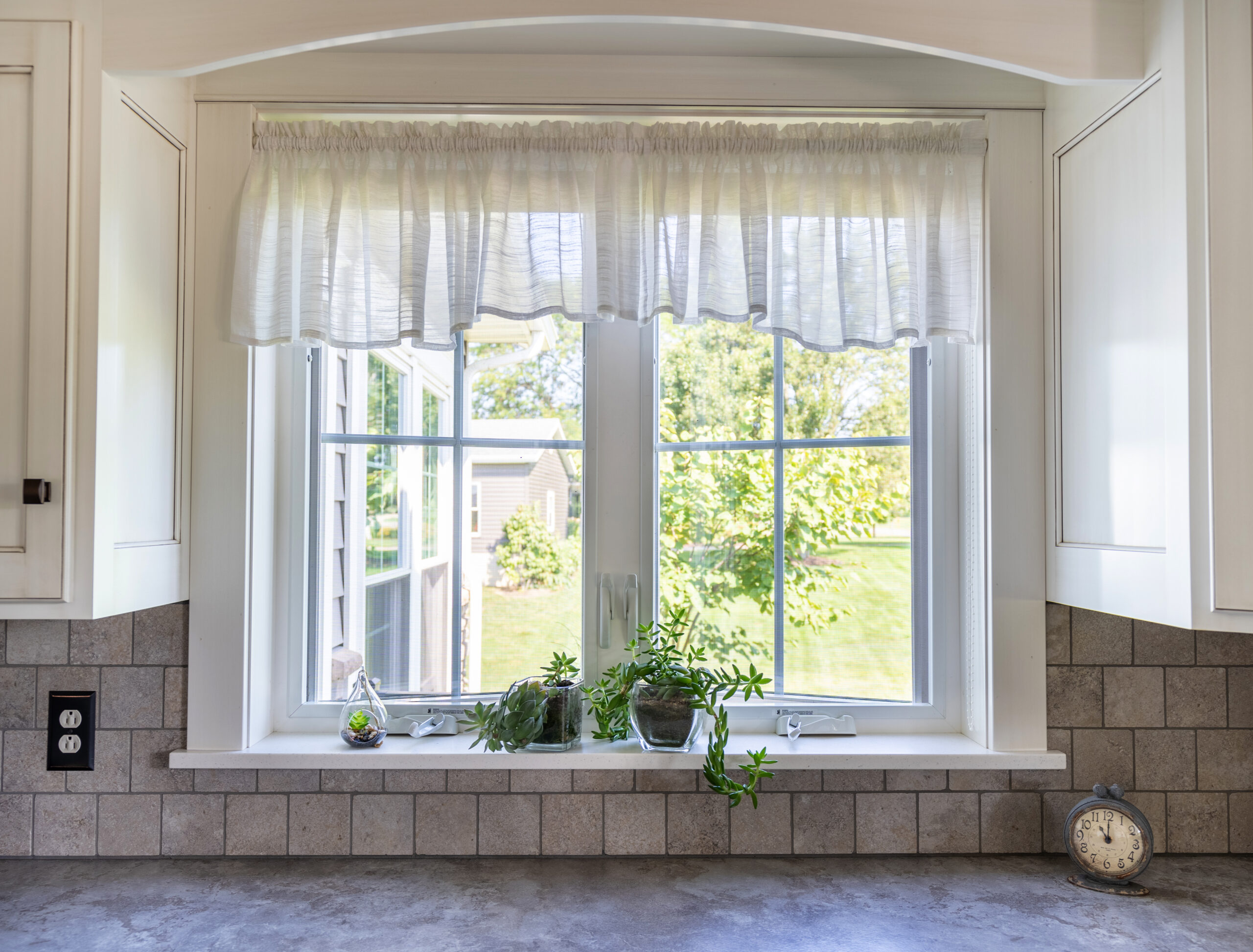
Bright kitchen window with a sheer curtain, plants on the sill, and a view of a green yard outside.

If you've been shopping for new windows in the Portland area, you've probably collected a stack of quotes. And if you've asked us (Zen Windows) whether we'll match a competitor's lower price, you already know our answer: no, we don't.

That answer can feel frustrating in the moment. We get it. When two companies are both selling “windows,” it seems like the price should be negotiable — and that the company unwilling to budge must just be trying to protect its margins. But that framing misses something important about how Zen Windows operates, what we sell, and what we believe you deserve as a homeowner.

We Price Honestly From the Start

The most important thing to understand about Zen Windows is that our prices aren't inflated to leave room for negotiation. There's no “sticker price” that we secretly expect to discount. When you receive a quote from us, that number reflects our actual cost structure: the quality of the products we install, the expertise of our installation teams, the warranty coverage we stand behind, and the customer support we provide after the job is done.

Many companies in the home improvement industry build their pricing models around the expectation of negotiation. They quote high, wait for pushback, and “match” or “beat” whatever the customer has been told elsewhere — making the customer feel like they won something. In reality, the final price was always within their acceptable range. The matching is theater.

We don't play that game. Our quotes are straightforward because we respect your time and your intelligence. What you see is what the job actually costs when it's done right. Price matching would require us to either inflate our starting prices (so we have room to come down) or cut into the actual quality and service built into our work. We're not willing to do either.

Premium Products Cost What They Cost

Windows are not a commodity. Two quotes with dramatically different numbers are almost certainly not quoting the same thing — and when the difference is significant, the gap usually lives in the product itself.

At Zen Windows, we install high-quality, energy-efficient windows designed to perform in the Pacific Northwest climate. Portland's winters are wet and cold; its summers can be surprisingly warm. The windows we recommend are engineered to handle that range — with proper insulation values, durable frames, and seals that don't fail after a few seasons.

Cheaper windows exist. They're real products that some companies genuinely install. But “cheaper” has consequences: lower energy efficiency that drives up your utility bills, frames that warp or discolor over time, hardware that wears out, and seals that fail and cause fogging between panes. A window that costs $200 less today can easily cost you far more over the decade you live with it.

When a competitor quotes you a meaningfully lower price, it's worth asking: where is that difference coming from? Is it the window itself? The installation quality? The warranty? Those aren't minor details — they're the substance of what you're buying. We don't price match because we're not willing to swap out the quality of our products to hit someone else's number.

The Installation Is Half the Product

Even a great window performs poorly if it's installed incorrectly. And installation quality varies enormously in the window industry.

Proper window installation involves precise measurements, careful removal of the existing window and frame, correct flashing and sealing to prevent water intrusion, and exacting fit to ensure the window operates smoothly and insulates properly. Done well, a window installation is invisible — the window just works, season after season, with no leaks, no drafts, no callbacks. Done poorly, the problems can take months or years to surface, by which point some companies are difficult to reach.

Our installation teams are trained, experienced, and held to a consistent standard of quality. We don't use subcontractors whose work we can't control. When a Zen Windows crew installs your windows, we know exactly what happened, who did the work, and how to stand behind it.

That expertise costs money — not because we're padding our margins, but because skilled labor is genuinely more expensive than unskilled labor. A competitor quoting lower prices may well be cutting costs in the installation itself. You won't necessarily know until something goes wrong.

We're Still There After the Job Is Done

The relationship with a window company doesn't end when the crew leaves your driveway. Windows carry warranties, and warranties are only worth as much as the company behind them.

When you invest in Zen Windows, you're investing in a company that will answer the phone when you call, stand behind its work when something needs attention, and treat you like a customer worth keeping rather than a transaction to close. That kind of service takes real infrastructure: people, processes, and a commitment to being around for the long haul.

Companies that compete primarily on price often don't build that infrastructure. They win jobs on low numbers, execute as efficiently as possible, and move on. If you have a problem six months later, you may find that the experience of getting help is very different from the experience of getting a quote.

We've built Zen Windows on the belief that homeowners deserve both — a fair price up front and reliable support for years afterward. Price matching would compromise the second half of that promise.

What We Offer Instead

We understand that budget matters. Home improvement is a significant investment, and nobody wants to overpay. So while we won't match a competitor's lower price, here's what we will do:

Be completely transparent about what you're getting. If you've received a lower quote elsewhere, we're happy to walk through what's included in our quote vs. what might be different in theirs. We'll help you ask the right questions so you can make a genuinely informed comparison.

Help you prioritize. If you're replacing multiple windows and budget is a concern, we can work with you on phasing the project or identifying where the investment matters most. We'd rather help you make the right decision than pressure you into a larger scope than you're ready for.

Stand behind every job we do. When you choose Zen Windows, you're not buying a price. You're buying a result — windows that perform, an installation done right, and a company that's there when you need them.

The Bottom Line

Price matching sounds like a consumer-friendly policy, but in the window industry it often just means the game is rigged. Companies inflate prices, negotiate them down, and call it a deal. The customer feels like they won; the company still gets what it wanted.

We'd rather be honest with you. Our prices reflect our products, our people, and our commitment to quality work. We're not the cheapest option in Portland, and we're not trying to be. We're trying to be the best — and to give you windows you'll be glad you chose long after the installation is finished.

If that sounds like what you're looking for, we'd love to talk.

Is a Payment Option Really a Good Idea?

Bright dining area featuring a wooden table, decorative vases, white curtains, and large windows with lush greenery outside.

Let's Talk About the Money.

New windows are a significant investment. We know that. Here's exactly how we handle it — no runaround, no pressure.

Windows Are Major Surgery on Your Home

Replacing your windows isn't like buying new light fixtures or repainting a room. It's a major project — one that involves precision installation, quality materials, and a crew that knows what they're doing. That costs real money.

You do not want a cheap fix. We mean that. A cheap window installed by the wrong company is going to cost you far more in the long run — in energy bills, in repairs, in headaches, and eventually in doing it all over again the right way. The goal is to invest once and be done with it for decades.

We understand that windows aren't something you want to wait on — and trust us, waiting only makes it worse. The project gets bigger. The price goes up. And you've spent another year dealing with drafts, noise, and wasted energy.

We hear it all the time: “We're going to wait until next year.” We get it — we really do. But windows don't get better on their own. The seals keep failing, the drafts get worse, and the quote you got this year will cost more next year. The best time to do this was five years ago. The second best time is now.

Why We Offer Payment Options

We call them payment options — not financing — because that's exactly what they are: options that let you get the right windows installed now, on a timeline that works for your budget.

Most people don't have $8,000, $12,000, or $20,000 sitting in an account earmarked for windows. That's not a character flaw — that's life. Times are tight. Priorities compete. We understand, and we don't think you should have to wait or settle for less just because you're not paying in full with cash today.

Payment options exist so you can make the smart long-term decision now, without draining your savings or putting your family in a tough spot.

The Honest Part

If you pay in cash, you will pay less. Customers who pay in full upfront receive our most competitive pricing — we're talking hundreds of dollars in savings on a typical project.

If you choose a payment option, there is a cost to that convenience. It's built into the price. We'd rather tell you that upfront than obscure it.

That said — our payment options are genuinely competitive, and for most families, the ability to spread payments over time is well worth it.

12 Months. No Payments. No Interest.*

No payments required for 12 months — and no interest if paid in full within the promotional period. Get your windows installed now and pay later, on your own schedule.

This is one of the most practical options we offer. Instead of writing a single large check, you have a full year to pay off the project at whatever pace works for you. No interest charges, no fees — as long as the balance is cleared before the promotional period closes.

For a lot of families, this turns a daunting lump sum into something very manageable. And you get the comfort, efficiency, and curb appeal of your new windows starting on day one.

  • Subject to credit approval. No interest if paid in full within 12 months. Standard interest rates apply to any remaining balance after the promotional period ends. Ask your Zen Windows representative for complete details.

Ready to Talk Numbers?

Get a free, no-pressure quote and we'll walk you through every payment option available — including what you'd save by paying in cash.

Oops, Post Not Found!

Uh Oh. Something is missing. Try double checking things.

This is the error message in the parts/content-missing.php template.