Category: Window Education

How to Clean Pollen off Windows: 5 Steps to a Better View

Clean pollen off windows

How to Clean Pollen off Windows: 5 Steps to a Better View

It’s that time of year when pollen covers everything. In North Carolina, especially around the Charlotte area, spring pollen can coat windows in a thick yellow film almost overnight. This contributes to seasonal allergies (which about 1 in 4 adults in the U.S. has) as well as a mess on your car, porch, and windows. 

Cleaning pollen isn’t fun, but for many people, it’s a must in order to preserve sanity and curb appeal. So how do you keep your windows free of that yellow-green film? Follow this simple step-by-step to clean pollen off windows. 

Supplies needed

Before you start, gather these supplies:

  • A bucket with warm water
  • Sponge or microfiber cloth
  • Mild dish soap and vinegar for the solution
  • Hose
  • Squeegee

5 steps to clean pollen off your windows

Pro Tip

Remove pollen from windows in the early morning or evening when the sun isn’t directly hitting the glass.

1. Remove and clean screens

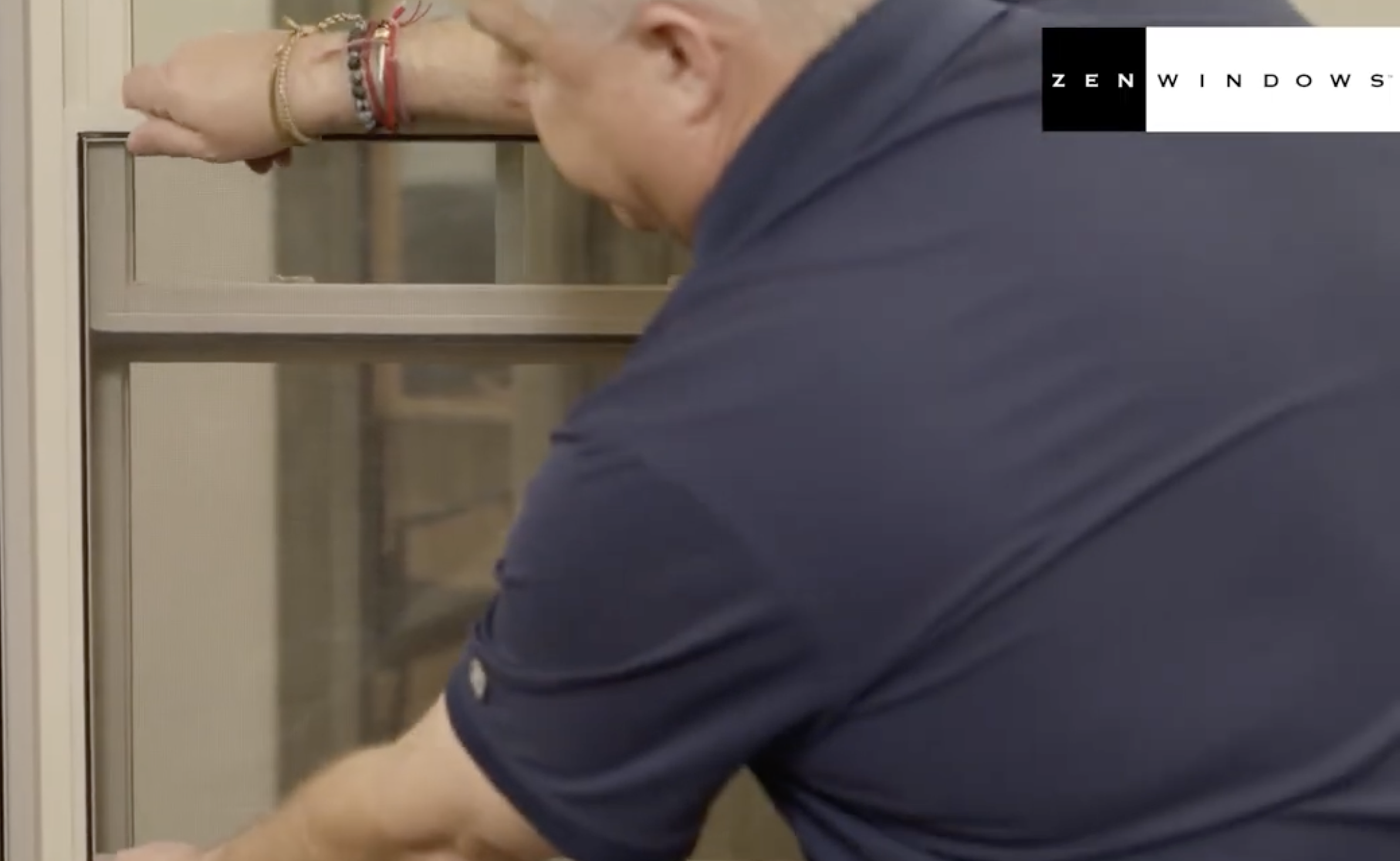
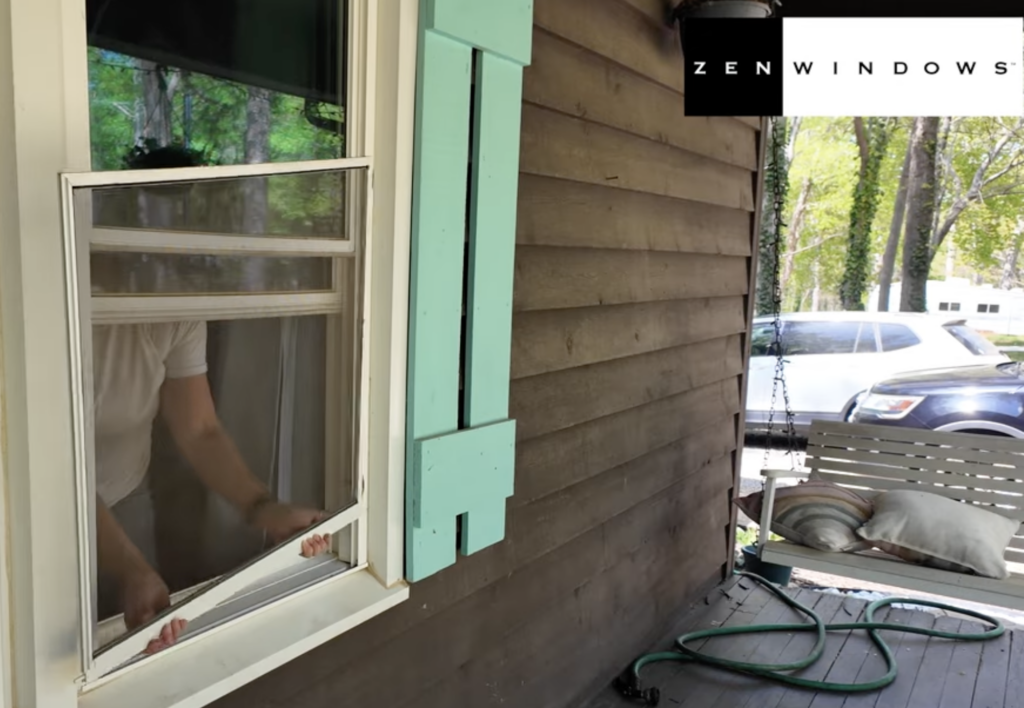
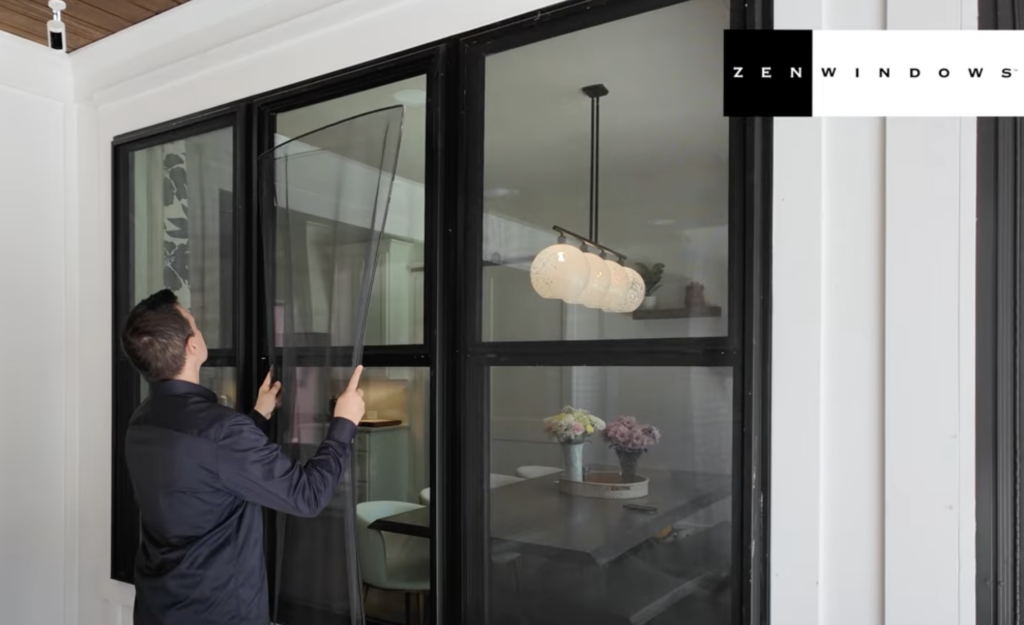
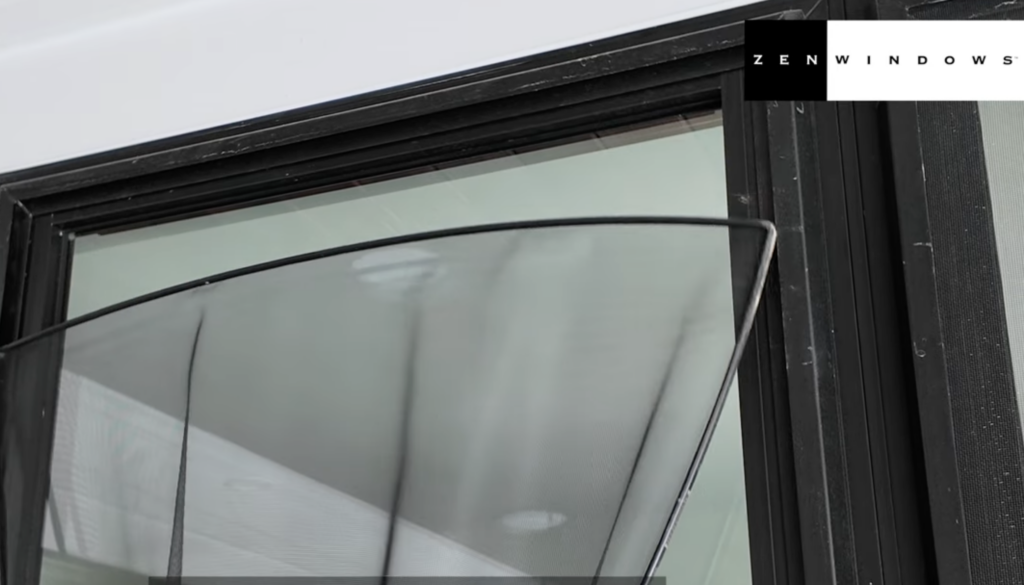
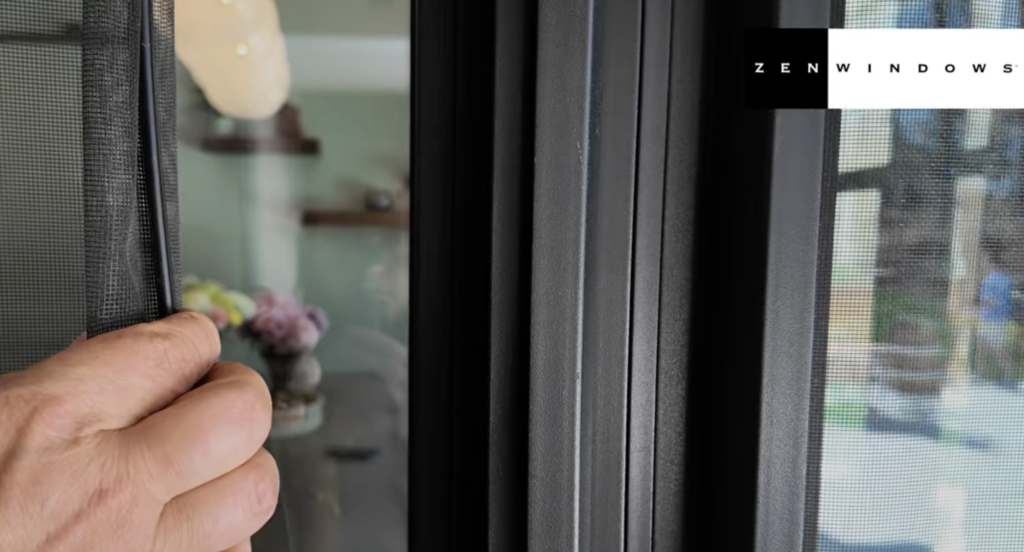
If you have window screens, remove them from the window. This gives you access to clean the entire window. It also gives you the opportunity to clean the screens. 

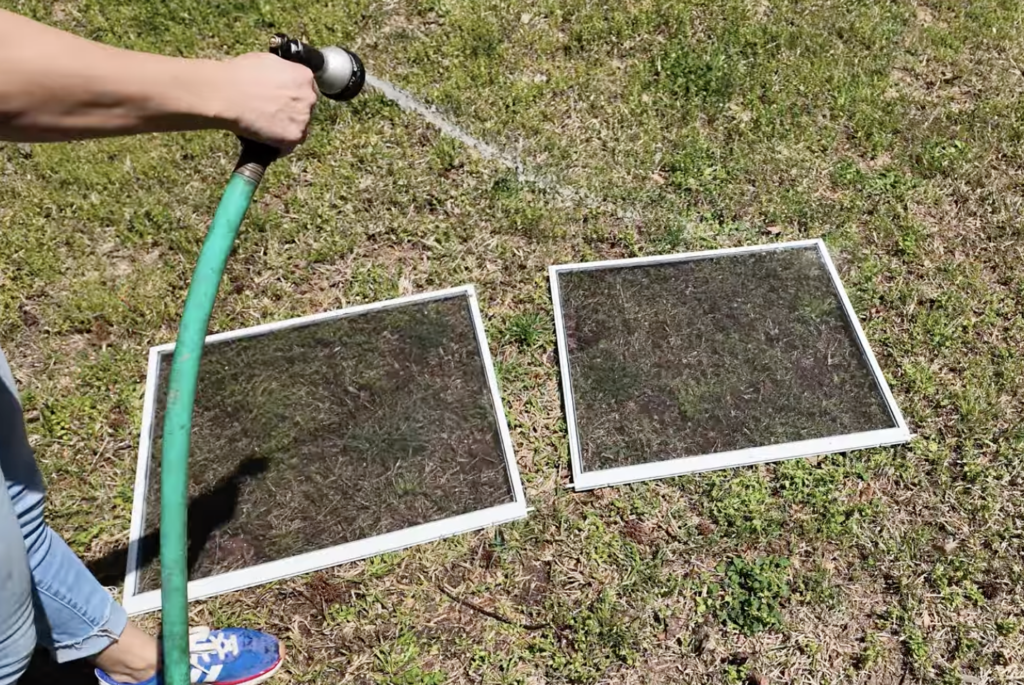
Once the screens are removed, spray them down with a hose, then gently wipe both sides and the frame with a sponge or cloth dipped in a solution of water, dish soap, and a splash of vinegar. Then, set the screens aside to dry.

spraying windows screens

2. Rinse the windows

Don’t use a dry cloth to clean yellow pollen off glass. Pollen is dusty and gritty, and wiping it dry can smear it around or even scratch the glass. Instead, rinse your window with water to gently wash away the pollen and loose debris.

3. Wash the glass and frame

Next, use a simple mix of water and a few drops of dish soap or your favorite glass cleaner. Wipe it down with a soft cloth or sponge, gently scrubbing problem areas. Make sure you clean the glass, sill, and trim. 

Cleaning pollen off windows

4. Squeegee for a streak-free finish

Use a squeegee to remove excess water from the glass. This step is key for preventing streaks and getting that clean, polished look.

5. Reinstall the screens

Once the window has been cleaned and dried, put the screens back, and you’re done!

Common mistakes to avoid when cleaning pollen off windows

Be careful of doing the following:

❌ Wiping pollen off dry glass
This can smear residue and even scratch the surface.

❌ Cleaning in direct sunlight
Heat causes water and cleaner to dry too fast, leaving streaks.

❌ Using paper towels
They can leave lint behind. Microfiber cloths work much better.

❌ Skipping the screens
Dirty screens can blow pollen right back onto clean windows.

Flowers in front of a clean window with the Zen Windows Carolina logo superimposed

Why does pollen stick to windows so easily?

Pollen isn’t just dusty, it’s also sticky. When mixed with moisture from rain, humidity, or morning dew (very common here in North Carolina), it clings to glass and dries into a stubborn film.

That’s why a simple dry wipe often makes things worse. Proper cleaning requires loosening and rinsing the particles first to avoid streaks and scratches.

The bottom line

If pollen buildup keeps coming back (and here in the Carolinas, it will), regular cleanings can help keep your windows clear all season long. Keeping up with pollen during peak season can feel like a never-ending battle. But with the right approach, you can keep your windows looking clear and streak-free.

A simple routine and the right tools go a long way toward maintaining your home’s curb appeal and letting more natural light in. And if you find yourself constantly fighting buildup year after year, it may be worth exploring longer-term solutions that make window maintenance easier.

Spraying windows with water from a hose

FAQs About How to Clean Pollen Off Windows

Can pollen damage windows?

Pollen itself won’t permanently damage glass, but its gritty texture can cause micro-scratches if wiped dry. Make sure you use a damp cloth when wiping pollen off windows or any other glass.

How often should you clean pollen off windows?

During peak season in North Carolina, you may need to clean windows every 1–2 weeks to keep buildup under control.

What’s the best cleaner for pollen on glass?

A mix of warm water and mild dish soap works well, but any streak-free glass cleaner is also effective.

Is it better to hose off pollen first?

Yes. Always rinse first to remove loose debris and avoid scratching the glass.

How do I clean my windows in general?

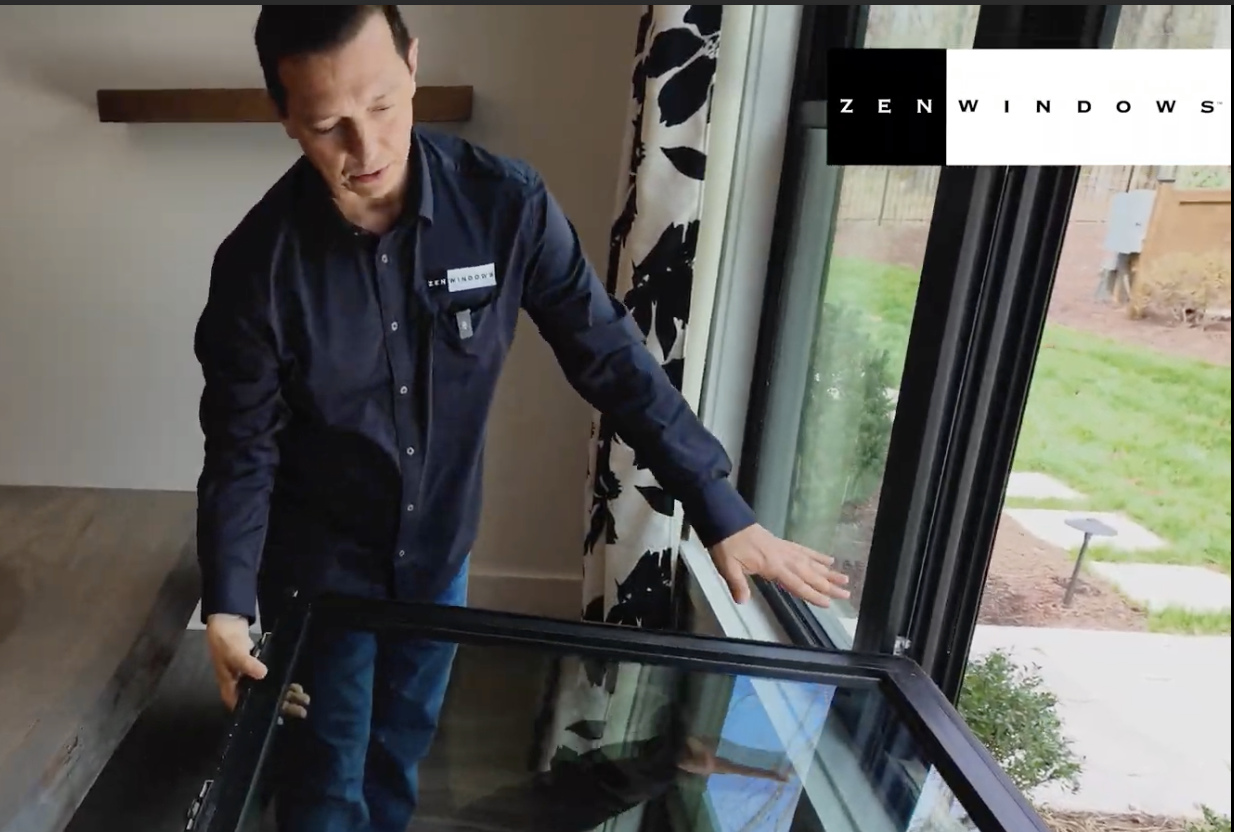
We have a guide on the topic if you want to know more about how to open and clean windows!

Tired of constantly cleaning your windows every spring?

Low-maintenance replacement windows are designed to stay cleaner longer.

How Noise-Reducing Windows Work: STC vs OITC Explained

How Noise-Reducing Windows Work: STC vs OITC Explained

Cars honking, dogs barking, lawnmowers buzzing: The great outdoors can seem not-so-great when you need a little peace and quiet. Noise-reducing windows are one way to keep the outside chaos from creeping into your calm home. 

Having a quieter home can mean better sleep, improved productivity (especially if you work from home), and a more relaxing environment overall. 

So how do noise-reducing windows work? And what is STC vs OITC? We’ve got more than 150 years of combined experience helping homeowners in the Charlotte area navigate noise. Here, we’ll explain the science behind these windows for noise reduction and help you figure out which option might be best for you.

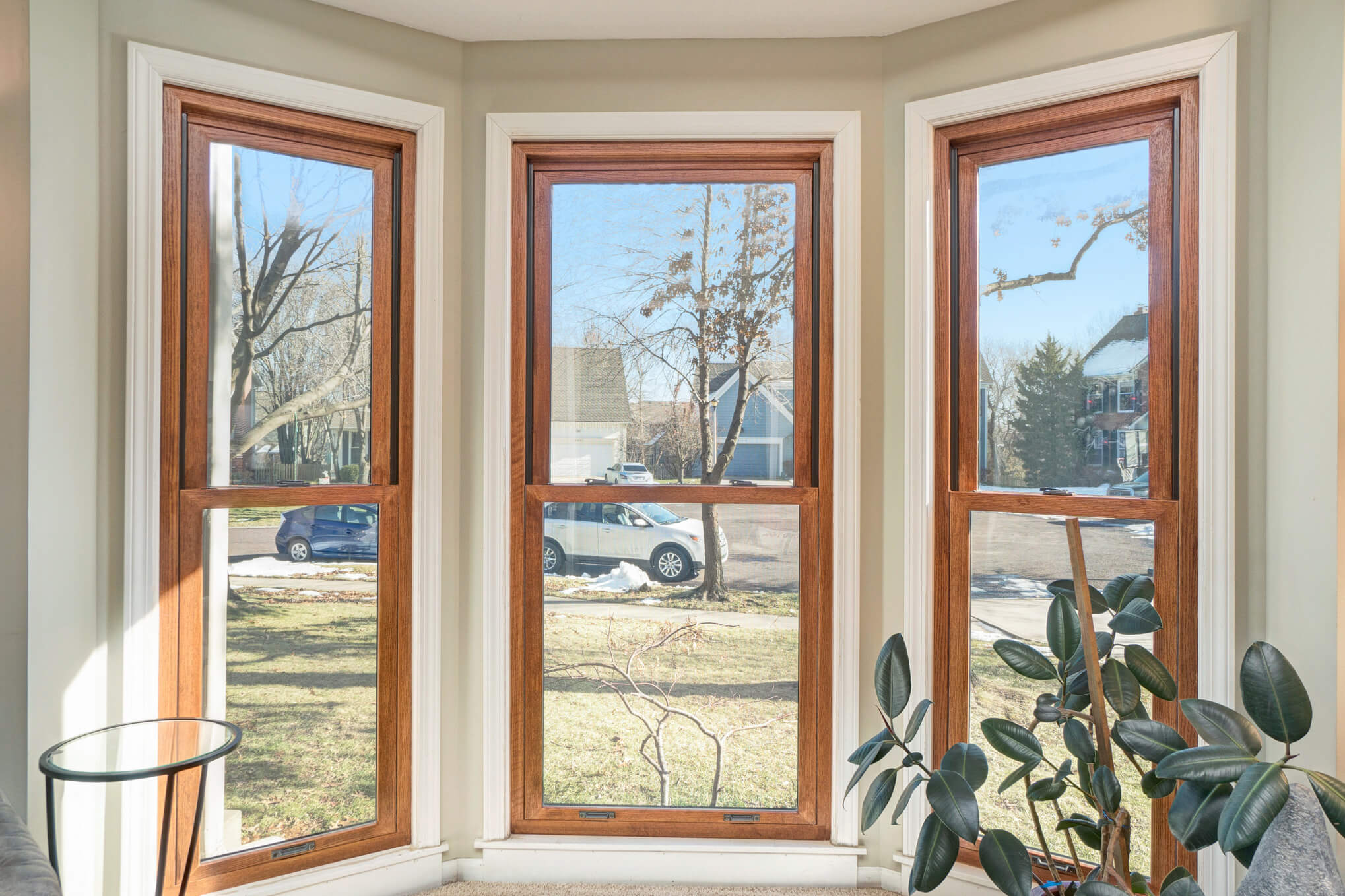
Photograph of sunny backyard through a window in Charlotte

What makes windows bad (or good) at blocking noise?

Sound enters your home in two primary ways. One is through any air gaps you have, and the other is through glass vibration. Several factors contribute to a window’s ability to block out noise: 

  • The type and thickness of glass
  • How well the window is sealed
  • The condition (and often, age) of the window frame 

Older windows often struggle with noise reduction because they have single-paned glass and deteriorated or worn seals. Over time, gaps can form around the window, allowing sound to pass through more easily. Aging frames can become warped, cracked, or damaged, which further reduces their ability to block outside noise.

What is STC? 

If you’re researching replacement windows specifically for window noise reduction, you’ll probably see “STC.” This stands for sound transmission class and refers to how well windows can block mid- to high-frequency sounds, like voices talking, barking dogs, or the TV. This is also often thought of as a good way to measure indoor noise. 

Think of it this way: a decibel measures how loud something is; STC measures how much sound passes through something. 

NGC Testing Services, an accredited facility that does acoustic testing, notes that STC scores range from 25 to 60+. The higher the score, the more sound reduction there is:

  • STC 25: Normal conversation is easily heard and understood
  • STC 35: You can hear loud speech, but you can’t understand it
  • STC 45: You can’t hear loud speech, but you can hear a loud noise
  • STC 60: Soundproof (not possible for windows, but possible for inner walls)

How does this translate to windows? That typically comes down to the glass:

  • Single-paned windows typically have STC scores between 18 and 20
  • Double-paned windows often have STC scores of 25 to 28
  • Noise-reducing windows have STC scores of 35 or higher

What is OITC? 

OITC, or outdoor-indoor transmission class, is another way to think about how well a window reduces sound. Whereas STC measures mid- to high-frequency sounds often found indoors, OITC measures low-frequency sounds often found outside, like planes, traffic, and HVACs.

Using OITC is a better, more real-world way to think about your windows. The sounds you’re likely trying to block are the low-frequency sounds, especially if you live near a highway or airport in Concord

NGC Testing Services points out that a good OITC rating for windows would be 30 or higher. They note the following: 

  • At OITC 20 to 27, you can still hear highway traffic
  • At OITC 27 to 35, you can still hear trains
  • At OITC 35 or higher, you may still hear airplanes

OITC ratings on windows are usually lower than their STC ratings. 

STC vs OITC: What’s the difference?

STC RatingsOITC Ratings
Type of noiseMid- to high-frequency soundLow-frequency sound
Testing standard125 to 4,000 Hz80 to 4,000 Hz
Real-world applicationInterior spacesExterior barriers 

Which rating should you pay more attention to? That largely depends on where you live. For example, if you live in a traffic-heavy area, like uptown Charlotte or near one of the big highways in Mooresville, the OITC rating likely matters more.

If you’re in a dense neighborhood with a lot of outdoor activity, the STC score may give a better indication of how well a window could reduce sound. 

Both scores matter, you just need an understanding of what they mean. 

What types of windows reduce noise best?

Keep in mind that there is no such thing as a “soundproof window.” However, there are several window features that can significantly improve noise reduction. If you’re shopping for new windows, here are the key factors to consider:

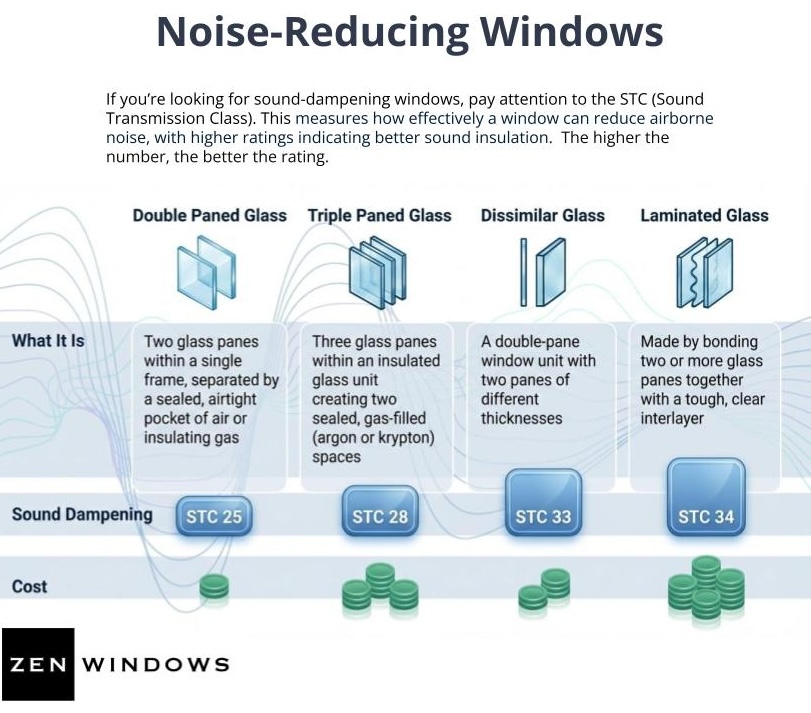
Infographic explaining noise-reducing windows STC (sound transmission class) ratings for double paned, triple paned, dissimilar, and laminated glass

Double-pane vs. triple-pane 

Double-pane windows, which means they have two layers of glass, provide a noticeable improvement over single-pane windows. They add that extra layer of glass and an insulating air space. Triple-pane windows go a step further, offering additional sound reduction and better overall insulation, which can be especially helpful in noisier environments.

Laminated glass

Laminated glass includes a special interlayer between panes that helps absorb and dampen sound vibrations.

Dissimilar glass

Dissimilar glass simply means that the window has panes that have different thicknesses. Using panes of varying thickness helps disrupt sound waves as they travel through the glass, making it more difficult compared to panes with identical thicknesses. 

Gas fills and spacers

Windows filled with insulating gases like argon and that feature high-quality spacers can improve both thermal performance and sound reduction by reducing vibration and resonance between panes.

Tight installation and sealing

Even the best windows won’t perform well if they aren’t properly installed. A tight seal around the frame is critical to prevent air gaps, which are a common path for sound to enter your home.

Do replacement windows really reduce noise?

Yes, replacement windows can reduce noise. However, they are not soundproof. Instead, you should see a significant reduction in noise by as much as 50%. 

Your biggest improvements will come from replacing single-paned windows with either double- or triple-paned options. Also, fix any air leaks. This can come from broken seals, cracked caulking, or issues with the window frame.

Best windows for noisy Charlotte homes

Which quiet windows are right for you? Here’s a few considerations: 

  • For homes near highways (e.g., I-77, I-85): Prioritize laminated or dissimilar glass + high OITC
  • For suburban neighborhoods: Look for balanced STC/OITC ratings with double-paned glass
  • For urban homes: Check out triple-pane or dissimilar double-pane glass

The bottom line

Noise-reducing windows can make a meaningful difference in how comfortable and quiet your home feels, especially in a busy area like Charlotte. Understanding the difference between STC and OITC ratings helps you evaluate how well a window will perform against both indoor and outdoor noise, with OITC being especially useful for real-world sounds like traffic and construction.

While no window can completely eliminate outside noise, the right combination of features, such as laminated glass, multiple panes, dissimilar glass thicknesses, and proper installation, can significantly reduce it. Just as important as the window itself is ensuring it’s installed with a tight, well-sealed fit, since even small gaps can allow sound to pass through.

If reducing noise is a priority in your home, focusing on both the window’s design and its installation will give you the best results and a noticeably quieter indoor environment.

FAQs about noise-reducing windows

What is a good STC rating for windows?

Experts agree that a rating of 30 or higher is good, and 35 or higher is excellent. Keep in mind that STC measures typical indoor noises, like voices talking or dogs barking.

Is OITC more important than STC?

OITC is a measure of outdoor noise, where STC is a good measure for indoor noises. Therefore, if you’re concerned about outdoor noises like traffic and airplanes, the OITC score would be more important.

Do triple-pane windows reduce noise better?

Yes, triple-pane windows reduce noise better than double- or single-pane windows. However, features like laminated windows or dissimilar glass can improve a double-paned windows performance to be even better than a triple-pane window. 

Can windows completely block noise?

No, windows are not soundproof. However, they can significantly reduce noise. 

Vinyl vs. Wood vs. Fiberglass Windows: Which Is Best for Your Home?

Vinyl vs. Wood vs. Fiberglass Windows: Which Is Best for Your Home?

All windows are not created equal. The material your home’s windows are made of affects everything: how they look, how they perform, and how long they last. With energy costs rising, keep in mind that your window choice impacts your bill.

Most people have no idea what the differences are between vinyl, wood, and fiberglass windows. That’s why we’re here. We have more than 150 years of collective experience tearing out old windows and replacing them with energy-efficient options that boost curb appeal and enhance the comfort of your home. Here, we’ll give you an honest look at how these products differ from each other.  

vinyl vs wood vs fiberglass windows infographic: which window is right for your home & budget?

At a Glance: Vinyl vs. Wood vs. Fiberglass Windows

If you’re looking to replace your windows, some issues that are likely top-of-mind include how expensive they are, how long they will last, what their curb appeal is, and how easy it is to maintain them. 

Here’s a quick side-by-side comparison to help you understand how each material stacks up:

Vinyl windows are the most popular window replacement options because they are affordable but perform very well. Wood options are ideal if you like a beautiful window and don’t mind the upkeep or the cost. Fiberglass windows are pricier than vinyl, but may be worth it for those who can afford it or people who live in extreme climates.

What Are Vinyl Windows?

Vinyl windows are what we recommend for most people because they have a lot going for them and don’t take a huge bite out of your wallet. Their frames are made from polyvinyl chloride (PVC), and their lifetimes span 20 to 30 years.

Pros of Vinyl Windows

We love vinyl windows because they are:

  • Most affordable window replacement option
  • Extremely energy-efficient, depending on the type of glass you choose
  • Low maintenance
  • Moisture-resistant 
  • Long life span
  • Come in several color options

Cons of Vinyl Windows

With the good comes the not-as-good. Here are some factors about vinyl windows to take into consideration:

  • While there are multiple color options, the options aren’t endless.
  • You cannot paint vinyl windows
  • They do not have the “high-end” look some homeowners prefer
vinyl windows on a brick home

Who Should Buy Vinyl Windows? 

Most people benefit from vinyl windows because of their affordability and energy-efficiency. They are ideal for:

  • People on a budget
  • Those living in rentals
  • Anyone who doesn’t want a high-maintenance window

What Are Wood Windows?

Wood windows are stunning options. Their frames and sashes are made from—you guessed it—wood. The type of wood varies and can include mahogany, oak, or pine. 

Pros of Wood Windows

If you’re looking for beauty, you found it. Here’s a few reasons why people choose to get wood windows:

  • High-end appearance that looks natural
  • Exceptional insulation properties
  • Can be painted any color you want

Cons of Wood Windows

While wood windows offer a beautiful, traditional look, many homeowners choose alternatives due to the higher cost and maintenance requirements.

  • Most expensive windows on the market
  • Require annual maintenance 
  • Susceptible to rot, moisture, and insects
Wood windows

Who Should Buy Wood Windows?

There are a few distinct groups of people who can benefit from having wood windows:

  • Homeowners doing high-end renovations
  • People who live in historic homes
  • Anyone who needs customized color options/aesthetics 

What Are Fiberglass Windows?

A fiberglass window is made with reinforced glass fibers and resin. These are the most durable windows on the market and handle extreme weather conditions very well. 

Pros of Fiberglass Windows

You could call fiberglass the “Rolls Royce” of windows:

  • Long lifespan and excellent durability
  • Minimal expansion/contraction during extreme heat or cold
  • Energy-efficient
  • Can mimic the wood window aesthetic

Cons of Fiberglass Windows

Fiberglass windows are fantastic options, but they have a few drawbacks:

  • More expensive than vinyl, and most expensive window to install
  • Not many people install fiberglass
  • Limited color options, depending on which brand you pick
fiberglass windows on a red brick home

Who Should Buy Fiberglass Windows?

We suggest the following people consider fiberglass windows:

  • People who live in extreme climates, either very cold or very hot and humid
  • Those who plan on staying in their homes for a long time

Cost Comparison 

There are a few factors that determine how much windows cost, including the size of your windows, the window material, and the type of windows you are getting (like if they are double-hung, picture windows, or specialty shapes).

zen windows installers carrying a window

Cost of Installation

Here’s a very generalized view of what a standard-sized, single-hung window could cost based on the material you pick: 

  • Vinyl: $500 to $900 per window installed
  • Wood: $800 to $1,500+
  • Fiberglass: $900 to $1,800+

Vinyl windows, which are lightest and easiest to move, typically have the most affordable installation prices. They are also the most forgiving; if there are imperfections in the opening for the window, it’s easier for installers to work around them. 

Wood and fiberglass windows tend to be heavier, which can increase their installation cost. Wood windows require exceptional craftsmanship, and fiberglass windows are very rigid, which means measuring for them has to be exact.

Return on Investment

We can’t talk about cost without talking about the return on your investment. After all, replacing windows is a significant investment no matter what material you choose. 

Vinyl windows have the lowest cost, and fiberglass windows have the best long-term value. If you’re looking to maximize your investment, then either of these options is your best bet. Wood windows can last a long time, but you have to properly maintain them in order to get the most out of them. 

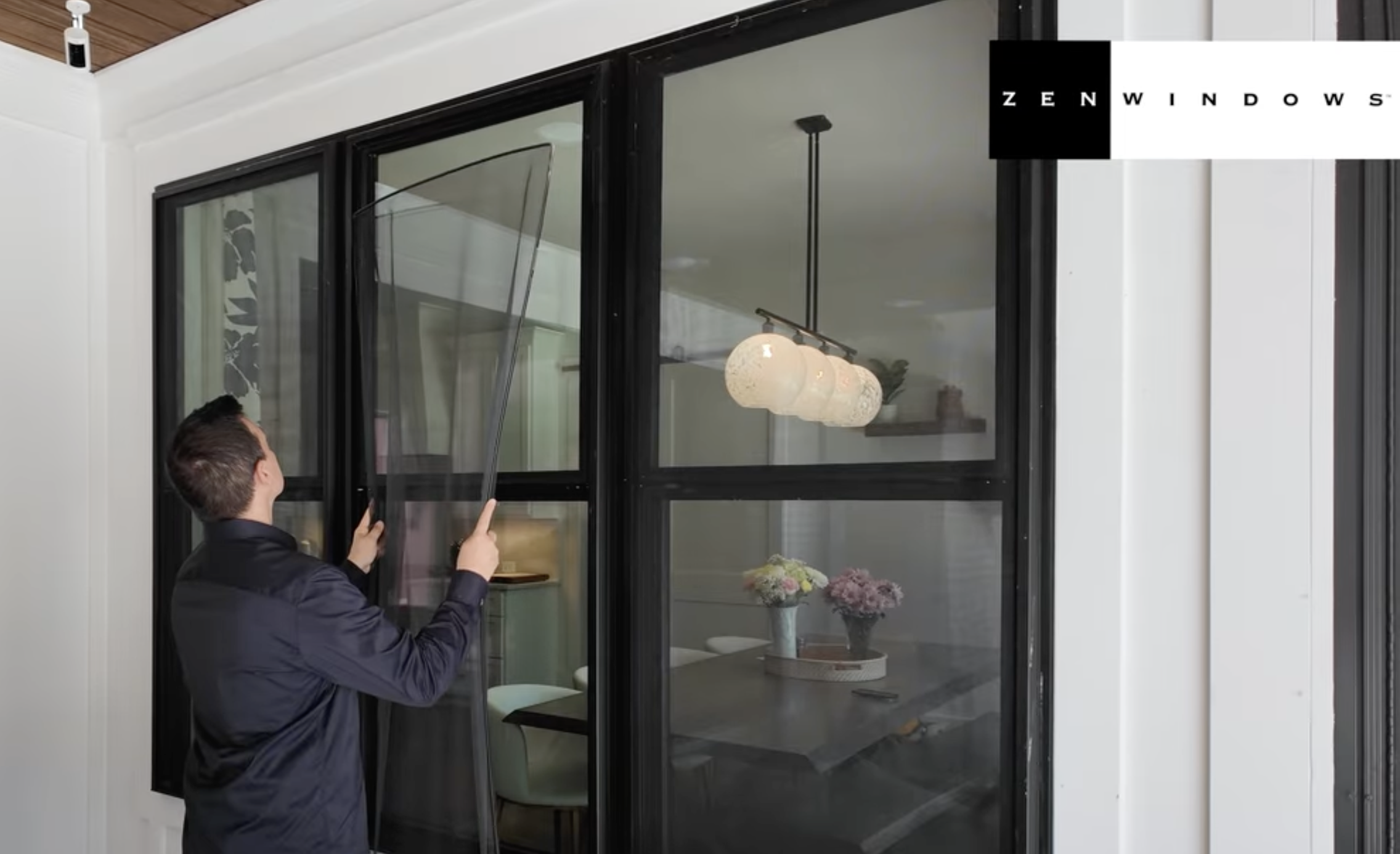
black vinyl windows in a dining area

Energy Efficiency Comparison

Paired with the right glass, all three types of windows can be incredibly energy-efficient. The biggest factor in energy efficiency isn’t just the frame; it’s the combination of frame, glass, and installation quality. With that in mind, here’s a quick look at how these three compare:

  • Vinyl windows are built with multi-chambered frames that help trap air and reduce heat transfer.
  • Wood windows are naturally insulating, making them a strong performer when properly maintained.
  • Fiberglass windows offer excellent insulation and maintain their performance over time due to their stability.

Vinyl and fiberglass windows have very tight seals, which means there is less worry about air leakage or drafts. Wood windows, on the other hand, are more susceptible to expanding and contracting due to weather conditions, which could cause warping and seal failures.

If you’re concerned about energy efficiency, look for windows that meet Energy Star certifications. This can help reduce heating and cooling costs throughout the year.

white vinyl windows in a living room area

Durability and Lifespan Comparison

How long your windows last depends on the material and the environment they’re exposed to. Generally, here’s what you’ll find:

  • Vinyl windows: Last about 20 to 30 years
  • Wood windows: Last about 15 to 30 years (with proper maintenance)
  • Fiberglass windows: Last about 30 to 50 years

Which Window Is Best for Your Climate?

If you live in a hot climate, fiberglass and vinyl are the most reliable options. All three window types do well in the cold, and wood acts as a natural insulator. If your environment is humid, steer clear of wood, which is vulnerable to rot.

In North and South Carolina, where heat and humidity are major factors, vinyl and fiberglass windows tend to perform best because they resist moisture and won’t warp or rot like wood can.

Maintenance Requirements

Both vinyl and fiberglass windows are very low maintenance. Cleaning them occasionally with soap and water will keep them looking nice and prevent dust and dirt from creeping into mechanical parts. You don’t have to paint or seal them.

Wood windows require more work. To keep them looking beautiful, you will need to paint or stain them every few years, especially if they get direct sunlight. You have to seal wood windows to prevent moisture damage, just as you would reseal your deck. Experts recommend re-sealing and re-caulking wood windows every five years or as-needed.

Which Window Is Best for You? The Bottom Line

For most homeowners, vinyl windows offer the best balance of affordability, performance, and low maintenance. If you want maximum durability and plan to stay in your home long-term, fiberglass may be worth the investment. Lastly, if your top priority is appearance and customization, wood windows may be the right fit; just be prepared for the upkeep!

Ready to Replace Your Windows?

FAQs: Vinyl vs Wood vs Fiberglass Windows

Are fiberglass windows worth the cost?

Yes, fiberglass windows are often worth the higher upfront cost if you’re focused on long-term value. They are extremely durable, highly energy efficient, and can last up to 50 years with minimal maintenance. Because they resist warping, cracking, and weather damage, they tend to maintain their performance longer and can even offer a strong return on investment over time.

That said, if you’re on a tighter budget or plan to move soon, vinyl windows may offer a better short-term value.

Do vinyl windows lower home value?

Quite the opposite! Vinyl windows often improve the value of your home because they can boost your energy efficiency and improve curb appeal.

How long do wood windows last?

Wood windows can last between 15 to 30 years, but that’s only if you properly maintain them. They must be sealed to prevent damage, and you will need to paint or stain them every few years to maintain their aesthetic.

Which windows are most energy efficient?

Generally, vinyl and fiberglass windows perform the best when it comes to energy efficiency. Vinyl windows offer great insulation and sealing, whereas fiberglass is known for its ability to mitigate expansions and contractions.

Can fiberglass windows look like wood?

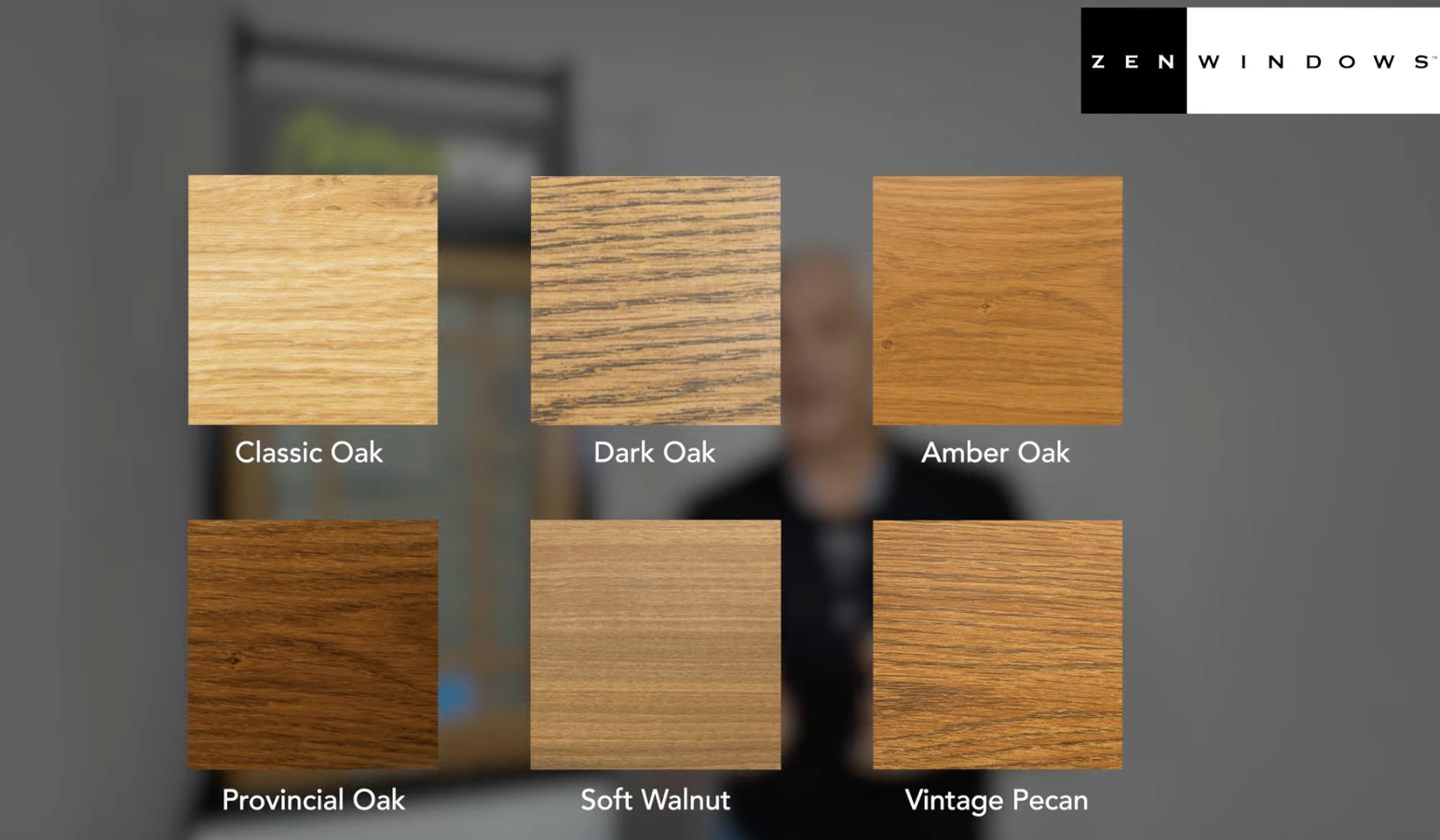
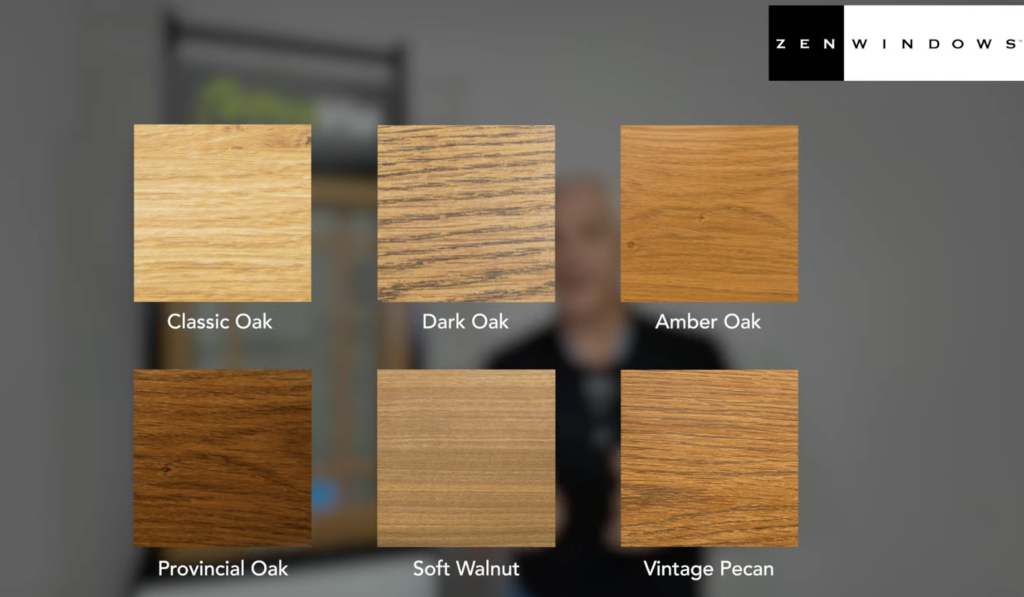
Fiberglass windows can closely mimic real wood, and some vinyl options offer wood-grain finishes.

Are Vinyl Windows a Smart Choice for Charlotte Homeowners?

Are Vinyl Windows a Smart Choice for Charlotte Homeowners?

Vinyl Windows for Charlotte at a Glance:

Vinyl windows are a strong match for Charlotte’s hot, humid climate and unpredictable storms. They resist moisture, require little upkeep, and help cut energy bills. 

Here’s how they stack up—and why they may be the low-maintenance upgrade your home needs.

Why Window Materials Matter in Charlotte’s Climate

High Humidity and Rainfall Are Everyday Realities

Charlotte summers bring heat and a lot of humidity. That constant moisture wreaks havoc on wood windows, causing swelling, mold, and eventual rot. Even metal frames aren’t immune, with corrosion creeping in over time.

Vinyl doesn’t absorb moisture, which makes it far more reliable during summer thunderstorms and muggy mornings.

Temperature Swings and Sun Exposure Take a Toll

Charlotte weather can flip fast: warm afternoons, cool evenings, and the occasional sudden cold snap. These shifts cause window materials to expand and contract, leading to cracks, gaps, and broken seals.

Vinyl’s structure holds up better under pressure. Add in UV-resistant compounds, and you get a window frame that stays stable even in full sun.

Storms and Seasonal Wind Events Stress Weak Materials

The stormy weather in North Carolina is often strong enough to test your windows. Water intrusion, frame movement, and stress fractures are all concerns, especially with older or poorly maintained windows.

Quality vinyl windows installed by experienced professionals are built to take a hit without warping, rattling, or leaking.

Comparing Window Materials in Local Conditions

MaterialHow it Performs in CharlotteMaintenance NeedsCommon Issues
WoodWarps, swells, rots in high humidityHigh—requires painting, sealing, and inspectionsMold, rot, peeling paint, stuck sashes
AluminumHolds shape, but conducts heat/coldModerate–can corrode, poor insulatorCondensation, rust, energy loss
VinylResists moisture, UV, and warpingLow—just cleaning and seal checksMinor fading (cheap versions), loose seals over decades

What Makes Vinyl Windows Ideal for Charlotte Homes

Built to Withstand Humidity and Rain

In Charlotte, moisture is the enemy of most window materials. Wood frames swell and stick; aluminum corrodes at the joints. Vinyl frames, however, don’t absorb water, so they stay stable through weeks of heavy rain. They also resist mold and mildew, which thrive in our humid summers. That reliability means your windows open smoothly, even after back-to-back downpours in Concord or Indian Trail.

Less Maintenance Means Fewer Headaches

Wood windows demand sanding, sealing, and repainting. With vinyl, there’s none of that. A quick wash with soap and water is usually all it takes to keep them looking fresh. Homeowners in Huntersville or Mooresville often tell us they love not having to budget for annual upkeep or spend weekends tackling peeling paint.

Energy Efficiency in Hot Southern Summers

Charlotte homeowners know the hum of the AC is practically the soundtrack of summer. Vinyl windows paired with modern double- or triple-pane Low-E glass act like a shield against the heat. They keep indoor temperatures more stable and reduce strain on your cooling system. In suburbs like Gastonia and Kannapolis, where homes often get full sun exposure, the difference in monthly utility bills can be noticeable.

Long-Term Value for Charlotte Homeowners

Vinyl windows often cost less up front than wood or fiberglass. But the real savings appear over time. They don’t require constant repairs, they last longer in humid conditions, and they eliminate the need for costly maintenance projects. Over the span of 15–20 years, many homeowners find that vinyl windows pay for themselves in both energy savings and fewer service calls.

What to Look for in a Quality Vinyl Window (And What to Avoid)

Not All Vinyl Windows Are Equal

Not every vinyl window is built for Charlotte’s hot summers and humid weather. The bargain versions you’ll find at big-box stores can fade, warp, or crack after just a few years. That’s why it’s important to know what to look for before making a purchase.

High-quality vinyl windows should have:

  • Fusion-welded corners for strength and durability
  • Reinforced frames that resist warping in humid, storm-prone conditions
  • UV-resistant coatings to prevent fading in Charlotte’s intense sun

At Zen Windows Carolinas, every option we carry is engineered with these features in mind, so your windows not only look great but also hold up year after year.

Installation Matters More Than You Might Think

Even the highest-quality window won’t perform well if it’s installed poorly. Gaps can let in drafts, water leaks may creep in behind trim, and in some cases, your warranty could even be voided. That’s why installation is just as important as the product itself. We work with experienced local subcontractors who prioritize precision with every installation. The result is a window that fits right, works right, and lasts longer.

Zen Windows’ Peace-of-Mind Promise

What really sets us apart is the way we do business. Our promise to Charlotte-area homeowners is simple:

  • No in-home sales visits
    No deposits
  • Transparent pricing
  • A Double Limited Lifetime Warranty

With Zen Windows, everything is straightforward and in writing—no guesswork, no pressure, and no last-minute surprises.

FAQs from Charlotte Homeowners

Can vinyl windows really handle southern humidity?

Absolutely. Vinyl doesn’t soak up water like wood, which means fewer headaches during Charlotte’s muggiest months.

Do vinyl windows warp or fade in direct sun?

Cheap ones might. That’s why we use high-quality, UV-stabilized vinyl—designed for sun-soaked southern homes.

Are there any downsides to vinyl?

Some homeowners worry about looks, but today’s vinyl comes in modern finishes that blend beautifully with most homes.

Why doesn’t Zen Windows need to visit my home for a quote?

Because we’ve streamlined the process. You send us your window info, and we send you a quote that’s fast, accurate, and pressure-free.

Are Vinyl Windows Right for Your Charlotte Home?

If you’re tired of swollen sashes, peeling paint, or rising energy bills, vinyl windows might be exactly what your home in Charlotte needs. They’re durable, low-maintenance, and designed for the kind of weather we deal with year-round.

Ready to get started?

Request your quote from Zen Windows Carolinas today.

We offer a simple window replacement process that’s based completely around your needs. With us, you get everything you need and nothing you don’t.

Oops, Post Not Found!

Uh Oh. Something is missing. Try double checking things.

This is the error message in the parts/content-missing.php template.