
Last updated: August 17, 2026
Double vs Triple Pane Windows: Which Is Right for Your Home?
Buying windows can feel overwhelming, especially when comparing double vs triple pane windows. The type of glass you choose impacts everything from your home’s energy efficiency and monthly utility bills to indoor comfort and how much outside noise gets in. But is upgrading to triple pane really worth the extra cost?
As window replacement experts, we help Charlotte homeowners make these decisions every day. We’ll break down the pros and cons of each option as well as provide some real-world scenarios to help you make a decision.
What are double pane and triple pane windows?
The main difference between double and triple pane windows is right there in the name:
Double pane windows have two layers of glass that are separated by a sealed space filled with an insulating gas, which is usually argon.
Triple pane windows have an extra layer of glass, the three panes creating two sealed spaces filled with krypton or argon gas. This extra layer provides even better performance.
Why the number of panes matters
Each time you add a pane of glass to a window, like going from a single to a double or a double to a triple, you gain another barrier between your home and the outside world. Every pane of glass helps:
- Minimize heat transfer, which means warm air stays inside during winter and outside during summer
- Reduce drafts and fluctuating temperatures in your home
- Boost your home’s overall energy efficiency
Simply put, the more panes you have, the better insulation you have—in most cases. Not every home will see the return on investment going from a double to a triple pane window (more on that below).
4 key differences between double and triple pane windows
There are four main differences between these types of windows; understanding them may help you make a better decision about which is right for your home.
Energy efficiency
Both options are great for energy efficiency, especially when compared to single pane windows. However, triple pane windows go even further thanks to that added insulated layer.
You may see a window with an R-value. This is a way to measure the window’s resistance to heat flow. The higher the number, the better insulation you get. The U.S. Department of Energy points out that Energy Star windows commonly have an R-3 value. The DOE states that going from an R-3 to an R-5 reduces heat loss through your windows by as much as 40%.
A few important things to note:
- Double pane windows typically have R-2 to R-4 values
- Triple pane windows typically have R-5 to R-8 values
- Adding low-E coatings to either type of window will boost its R-value.
Decision point: If you live in a colder climate, reducing heat loss will benefit your comfort and your wallet, and triple pane windows may be better for you. If you live in a mild climate, double pane windows are likely enough to maintain good energy efficiency.
Cost Comparison
Money matters. In fact, your budget may be the most important deciding factor in which type of window you choose.
Triple pane windows are as much as 30% more expensive than double pane windows. It’s possible that some window companies will also charge extra for the installation of triple pane windows because they are heavier than double pane.
You may need to weigh the upfront cost against long-term benefits. Triple pane windows can lead to energy savings over the life of the window (which can be up to 20 to 30 years, depending on the type of window you get).
Decision point: If you’re looking to save money on the purchase, double pane windows are the budget-friendly option. If you are more interested in saving money on your energy bills and you live in a cooler climate, triple pane windows likely offer a better ROI.
Noise Reduction
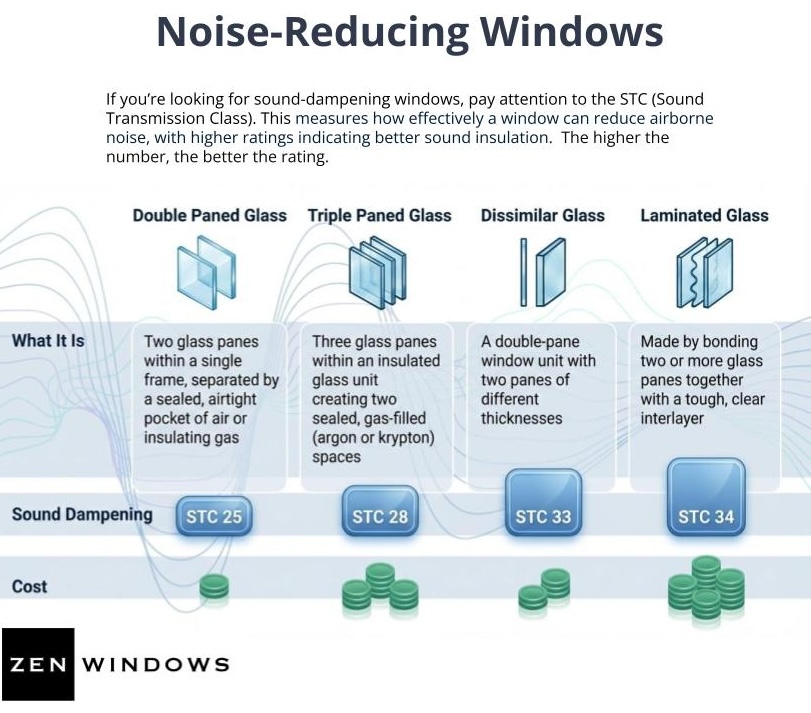
If you live in a noisy area, like near a highway, in a city, or by an airport, for example, then reducing outdoor sound may be important. This is where triple pane windows really shine, because that extra layer of glass helps to dampen sound better than double pane windows.
There are other options for noise-reducing windows, such as using dissimilar or laminated glass, but these are cost upgrades.
Decision point: Triple pane windows are best for noise reduction.
Aesthetics
While triple pane windows offer better performance, they can slightly reduce visible light and create a more noticeable low-E reflection. For homeowners focused on maximizing natural light or maintaining a specific exterior look, this is an important consideration.
Decision point: If you are concerned about the aesthetic differences with the energy efficient low-E, double pane windows is the clear winner.
Pros and cons of double pane windows
| Pros | Cons |
|---|---|
| Lower cost | Less insulation than triple pane |
| Widely available | Not ideal for extreme temperatures |
| Good efficiency for most climates | Not as noise-dampening as triple glass |
| Better noise reduction than single pane windows |
Pros and cons of triple pane windows
| Pros | Cons |
|---|---|
| Superior insulation | Higher cost |
| Better noise reduction | Heavy, which could increase installation prices |
| Increased comfort in your home | May not be necessary in mild climates |
Are triple pane windows worth it?
Yes, triple pane windows may be worth it depending on where you live:
- Cold climates: Very beneficial for the most reduced heat loss
- Mild climates: May not be worth it, as double pane windows may be the more cost-efficient upgrade
- Noisy environments: Very beneficial to reduce the amount of sound that comes into your home
Return on investment
One key factor to build into your decision is what the long-term return on investment triple pane windows can have. You can measure the ROI through:
- Lower energy bills
- More comfortable home environment
- Potential for resale
Keep in mind that the best return on investment will be for homeowners in very cold or noisy environments.
Expert recommendation from Zen Windows
There is no one-size-fits-all answer for which type of window is better. It really comes down to your individual needs.
Our Zen Windows team of experts with more than 150 years of combined experience working in the window industry can help you evaluate which window will work best for your home and your budget. Whether you’re replacing a few windows or doing all of them, we’re here to help you not pressure you.
Get Help Choosing the Right Windows
We make the process simple with:
- Free consultations
- Online quotes without in-home presentations
- Expert recommendations tailored to your home
Looking to improve your home's energy efficiency?
Reach out today to get started and feel confident in your window investment
FAQs: Double vs triple pane windows
What is the difference between double and triple pane windows?
Double pane windows have two layers of glass, while triple pane windows have three. The extra pane improves insulation and noise reduction.
Do triple pane windows really save energy?
Yes, especially in colder climates. They reduce heat loss more effectively than double pane windows, which can lower energy bills over time.
Are triple pane windows worth the extra cost?
They can be, depending on your climate, noise levels, and long-term plans. They offer the most value in colder or noisier environments.
How long do double vs triple pane windows last?
Both types typically last 20–30 years or more with proper installation and maintenance.
Do triple pane windows reduce noise?
Yes. The additional glass layer helps block outside noise, making them a great choice for homes in busy areas.