
Window Safety Week: A 7-Point Window Safety Checklist for Cleveland Families
That first warm day when you crack the windows and let the house breathe again feels wonderful after a long winter. It should be harmless. But that feeling of “everything’s fine” is exactly why window safety is so easy to overlook.
Spring in Northeast Ohio changes how families use their homes almost overnight. Bedrooms get aired out, kids’ rooms finally feel less stuffy, and the whole house opens up. But the same habit that makes a home feel better can quietly create a risk most families don't see until it's too late.
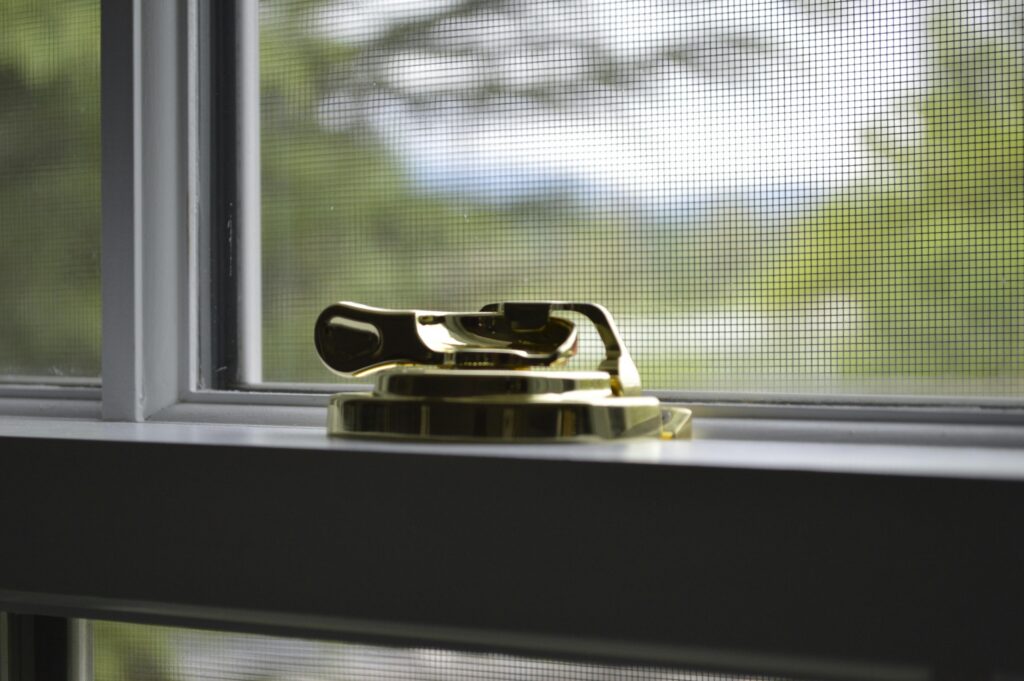
A window screen is not a safety device. It keeps bugs out. It does not keep a child from falling. A room can look perfectly fine from across the hall and still have a real problem the moment a bed, a toy bin, or a low dresser gives a kid a way up to the opening. Safe Kids Worldwide says it plainly: Screens are for bugs, not kids.
The National Safety Council lists windows among the top hidden hazards in the home. On average, eight children age 5 and younger die, and more than 3,300 are injured in window falls every year.
National Window Safety Week runs April 5–11 this year, and the message is simple: prevent falls while keeping windows functional as emergency exits. Before open-window season fully settles in, run through the checklist below for your home. They are simple, practical, and worth doing now.
The 7-Point Window Safety Checklist
- Do not trust a screen to stop a fall.
- Keep windows open to 4 inches or less when children are nearby.
- Use guards, stops, or opening-control devices that still allow emergency release.
- Move climbable furniture away from windows.
- Keep unused windows closed and locked.
- Test the windows that your family may need for emergency escape.
- Use trusted Cleveland resources for local guidance.
1. Do not trust a screen to stop a fall.
A screen can make a window look protected from across the room. It is not built to hold back the weight of a child who leans, pushes, or falls against it.
Treat screened windows like a wide-open window.
A room can look completely safe until you notice what gives a child access to the window. A bed beneath the sill. A toy chest against the wall. A bench close enough to climb. Those details change the risk fast. The real question is simple: Could a child get up to this window and fall through it? If the answer is yes, a screen does nothing to make that setup safe.
2. Keep open windows at 4 inches or less when children are nearby.
When children are nearby, open windows no more than four inches. Safe Kids Worldwide recommends using active barriers such as window stops to keep openings within that limit. That four-inch rule gives parents and caregivers something clear to act on, which is a lot more useful than vague advice to just be careful.
There is also an easy habit that can help. If a window opens from both the top and the bottom, open the top sash instead when possible. You still get fresh air, but the opening is harder for a young child to reach. Safe Kids recommends that approach too, and it is the kind of small adjustment that works because families can actually stick with it.
3. Use guards, stops, or opening-control devices that still allow emergency release.
Window guards, stops, and opening-control devices help reduce fall risk by limiting how far a window can open or by creating a barrier that makes it harder for a child to reach the opening. These devices matter most in rooms where children spend time near open windows, especially upstairs. Safe Kids Worldwide recommends using approved window guards or active barriers such as window stops, and says guards above the first floor should include an emergency release in case of fire.
The key is choosing a device that actually helps with the problem you are trying to solve. A stop can help keep a window from opening too far. A guard can help add protection at the opening itself. Whatever you use, it should make the window safer for everyday use while still allowing it to function as needed.
4. Move climbable furniture away from windows.
A crib near the wall, a low dresser under the sill, a bed pushed tight against the opening, or a toy chest that doubles as a step can quietly turn an ordinary room into a bigger risk. Adults often stop noticing those arrangements because they feel normal and familiar. Children notice them immediately because those furnishings can feel like little mountains that beckon them to climb.
5. Keep unused windows closed and locked.
Unused windows should stay closed and locked. When young children are present, windows should be kept closed and locked, and any window opened for ventilation should be out of a child’s reach when possible.
A closed and locked window is one less opening to monitor, one less thing to forget about, and one less risk sitting quietly in the background. The habit matters most in spare bedrooms, finished basements, guest rooms, and other spaces that are easy to overlook. Many preventable accidents arise from ordinary moments, so the most useful safety habits are often those that quietly reduce risk every day.
6. Test the windows your family may need for emergency escape.
Before you ever need a window in an emergency, make sure it actually works. Bedroom windows, upstairs windows, and any other windows that may be part of your family’s escape plan should open easily, open fully, and close again without sticking or guesswork.
The National Safety Council recommends having two exits from every room, practicing a home fire escape plan during the day and at night, and practicing with any windows that may be used as emergency exits.
A practical check is simple: Could an adult open this window quickly under pressure? If the answer is no, or even maybe, the window deserves attention. A window that sticks, drifts shut, has a stubborn lock, or only opens with a little trick, is more than an annoyance. In an emergency, it can cost valuable time.
7. Use trusted Cleveland resources if you need local guidance
If you want local help after running through this checklist, start with three Cleveland-area resources that already work with families on child safety.
- The UH Rainbow Injury Prevention Center offers programs and services to prevent childhood injuries.
- Safe Kids Greater Cleveland connects families with evidence-based safety education and community prevention efforts.
- The Rainbow Safety Store offers a wide range of safety products below retail prices.
If you’re a parent or caregiver to children, you probably already have too much on your plate. With resources like these available to Cleveland families, you can get the help you need and not have to go through child safety on your own.
Signs a Window May Be Creating a Safety Problem
A window doesn’t have to look broken to become a problem. In many homes, the warning signs appear as workarounds. You have to jiggle the lock. You have to push the sash just right. You stop opening one window altogether because it sticks, slams shut, or never feels quite secure. After a while, those little frustrations start to feel normal.
A window that’s hard to open, hard to close, unreliable to lock, or unable to stay where it should creates a safety problem, not just an inconvenience. It affects the quality of the air you breathe, your everyday peace of mind, and your ability to escape in an emergency if your family ever needs it.
If a window only works when someone in the house knows its “trick,” that window deserves a closer look. If it drifts shut, refuses to budge, will not lock cleanly, or feels loose when it should feel solid, the safest answer may not be another workaround. It may be time to get a clear sense of whether that window is still functioning the way a home needs it to.
If you want clarity on your window situation without the usual pressure, Zen Windows Cleveland can help. We’ve built our business on an educational, straightforward approach that helps homeowners like you understand what matters with windows for your family’s comfort and safety.
The Window Safety Checks That Matter Most
If you have kids at home, you already keep track of a hundred little things every day. You notice who needs lunch, who left shoes in the hallway, who dragged a stool into the bathroom, and who suddenly figured out how to climb somewhere they could not reach last week. Window safety often slips down the list for the same reason so many home risks do: Nothing about it feels urgent until something goes wrong.
A quick window safety check now, while the weather is warming, can help you catch the issues that are easiest to miss in the hustle of daily life. It can also help you separate the rooms and windows that are working as they should from those that deserve more attention. And when a window feels unreliable, awkward, or hard to trust, getting clear on that early is a lot easier than waiting until it becomes a bigger problem.
National Window Safety Week FAQs
When is National Window Safety Week in 2026?
National Window Safety Week runs from April 5 through April 11, 2026. It is observed during the first full week of April, which is why the dates shift slightly from year to year.
Who promotes National Window Safety Week?
The campaign is led by the National Safety Council with support from the Window Safety Task Force. NSC says the task force was formed in 1997 to help raise awareness around window falls, window safety devices, and the role windows can play in emergency escape.
Where can families find official Window Safety Week materials?
A good place to start is the Window Safety Task Force. It points families, schools, and community groups to official campaign materials, including safety resources that explain fall prevention and emergency escape in simple terms.
Where can Cleveland families find local child-safety help?
The UH Rainbow Injury Prevention Center is a good starting point for child safety education and prevention resources.
Do window screens prevent falls?
No, window screens are designed to help keep insects out. They are not designed to keep a child from falling through an open window.
What is the safest way to open windows around young children?
Keep openings small, use stops or other approved devices where needed, and choose windows that are harder for children to reach when possible. Move climbable furniture away from windows and keep unused windows closed and locked.