
Last updated: August 18, 2026
Vinyl vs. Wood vs. Fiberglass Windows: Which Is Best for Your Home?
All windows are not created equal. The material your home’s windows are made of affects everything: how they look, how they perform, and how long they last. With energy costs rising, keep in mind that your window choice impacts your bill.
Most people have no idea what the differences are between vinyl, wood, and fiberglass windows. That’s why we’re here. We have more than 150 years of collective experience tearing out old windows and replacing them with energy-efficient options that boost curb appeal and enhance the comfort of your home. Here, we’ll give you an honest look at how these products differ from each other.
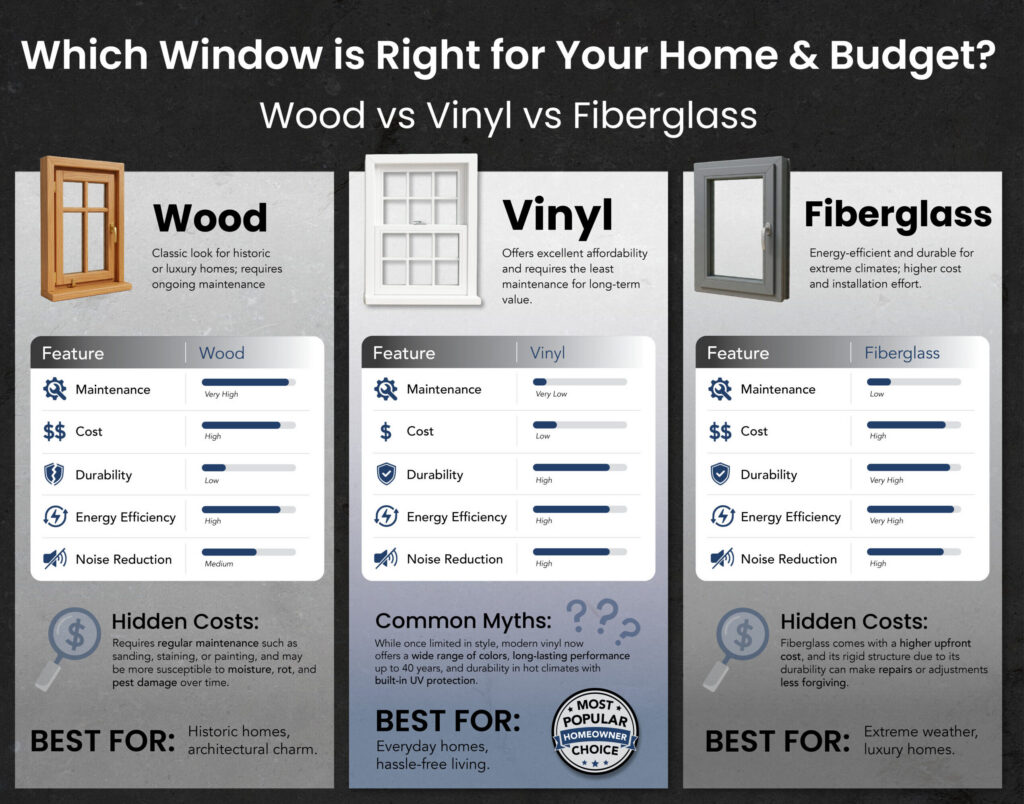
At a Glance: Vinyl vs. Wood vs. Fiberglass Windows
If you’re looking to replace your windows, some issues that are likely top-of-mind include how expensive they are, how long they will last, what their curb appeal is, and how easy it is to maintain them.
Here’s a quick side-by-side comparison to help you understand how each material stacks up:
| Vinyl | Wood | Fiberglass | |
|---|---|---|---|
| Cost | Low | High | High |
| Durability | High | Medium | Very high |
| Energy Efficiency | High | High | Very high |
| Maintenance | Low | High | Low |
| Aesthetics | Medium | High | High |
Vinyl windows are the most popular window replacement options because they are affordable but perform very well. Wood options are ideal if you like a beautiful window and don’t mind the upkeep or the cost. Fiberglass windows are pricier than vinyl, but may be worth it for those who can afford it or people who live in extreme climates.
What Are Vinyl Windows?
Vinyl windows are what we recommend for most people because they have a lot going for them and don’t take a huge bite out of your wallet. Their frames are made from polyvinyl chloride (PVC), and their lifetimes span 20 to 30 years.
Pros of Vinyl Windows
We love vinyl windows because they are:
- Most affordable window replacement option
- Extremely energy-efficient, depending on the type of glass you choose
- Low maintenance
- Moisture-resistant
- Long life span
- Come in several color options
Cons of Vinyl Windows
With the good comes the not-as-good. Here are some factors about vinyl windows to take into consideration:
- While there are multiple color options, the options aren’t endless.
- You cannot paint vinyl windows
- They do not have the “high-end” look some homeowners prefer
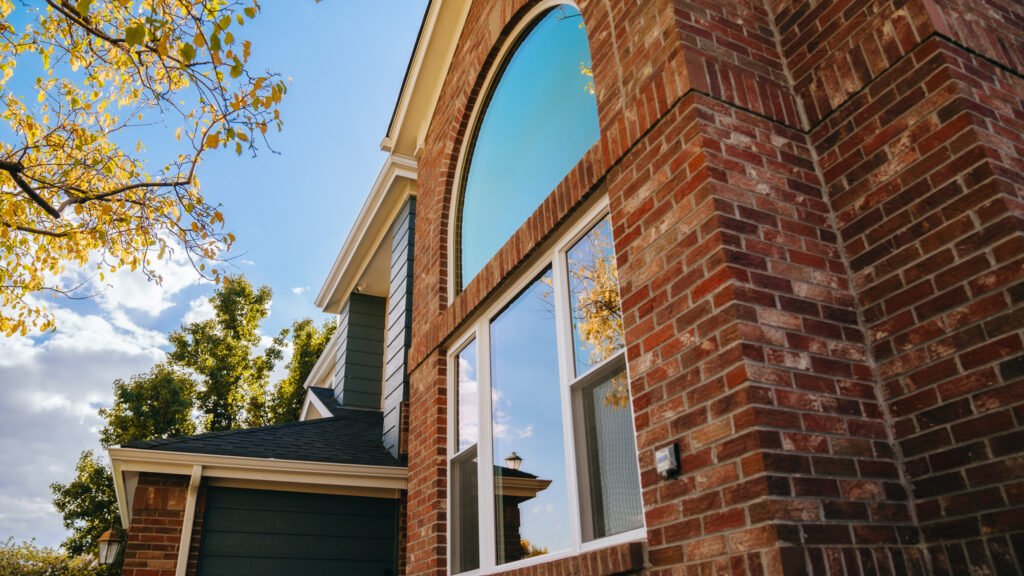
Who Should Buy Vinyl Windows?
Most people benefit from vinyl windows because of their affordability and energy-efficiency. They are ideal for:
- People on a budget
- Those living in rentals
- Anyone who doesn’t want a high-maintenance window
What Are Wood Windows?
Wood windows are stunning options. Their frames and sashes are made from—you guessed it—wood. The type of wood varies and can include mahogany, oak, or pine.
Pros of Wood Windows
If you’re looking for beauty, you found it. Here’s a few reasons why people choose to get wood windows:
- High-end appearance that looks natural
- Exceptional insulation properties
- Can be painted any color you want
Cons of Wood Windows
While wood windows offer a beautiful, traditional look, many homeowners choose alternatives due to the higher cost and maintenance requirements.
- Most expensive windows on the market
- Require annual maintenance
- Susceptible to rot, moisture, and insects
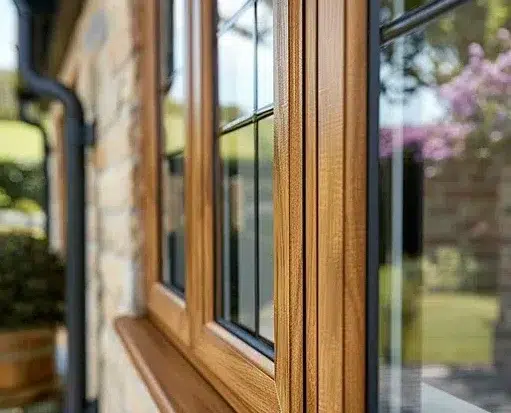
Who Should Buy Wood Windows?
There are a few distinct groups of people who can benefit from having wood windows:
- Homeowners doing high-end renovations
- People who live in historic homes
- Anyone who needs customized color options/aesthetics
What Are Fiberglass Windows?
A fiberglass window is made with reinforced glass fibers and resin. These are the most durable windows on the market and handle extreme weather conditions very well.
Pros of Fiberglass Windows
You could call fiberglass the “Rolls Royce” of windows:
- Long lifespan and excellent durability
- Minimal expansion/contraction during extreme heat or cold
- Energy-efficient
- Can mimic the wood window aesthetic
Cons of Fiberglass Windows
Fiberglass windows are fantastic options, but they have a few drawbacks:
- More expensive than vinyl, and most expensive window to install
- Not many people install fiberglass
- Limited color options, depending on which brand you pick
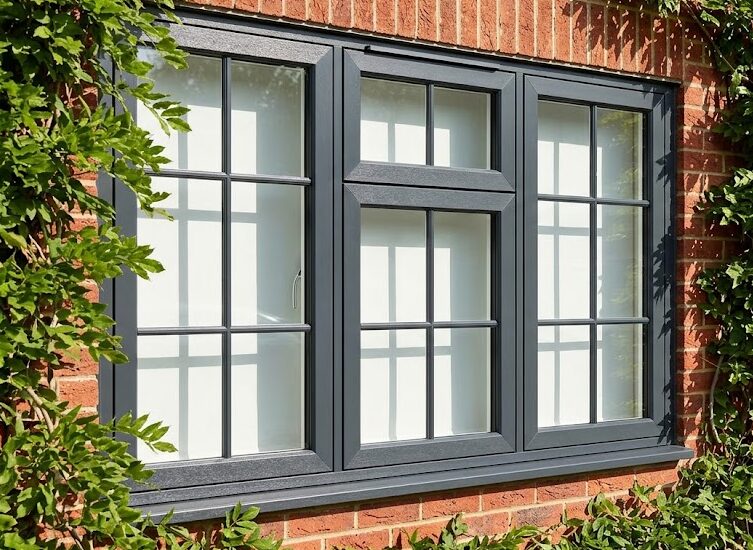
Who Should Buy Fiberglass Windows?
We suggest the following people consider fiberglass windows:
- People who live in extreme climates, either very cold or very hot and humid
- Those who plan on staying in their homes for a long time
Cost Comparison
There are a few factors that determine how much windows cost, including the size of your windows, the window material, and the type of windows you are getting (like if they are double-hung, picture windows, or specialty shapes).
Cost of Installation
Here’s a very generalized view of what a standard-sized, single-hung window could cost based on the material you pick:
- Vinyl: $500 to $900 per window installed
- Wood: $800 to $1,500+
- Fiberglass: $900 to $1,800+
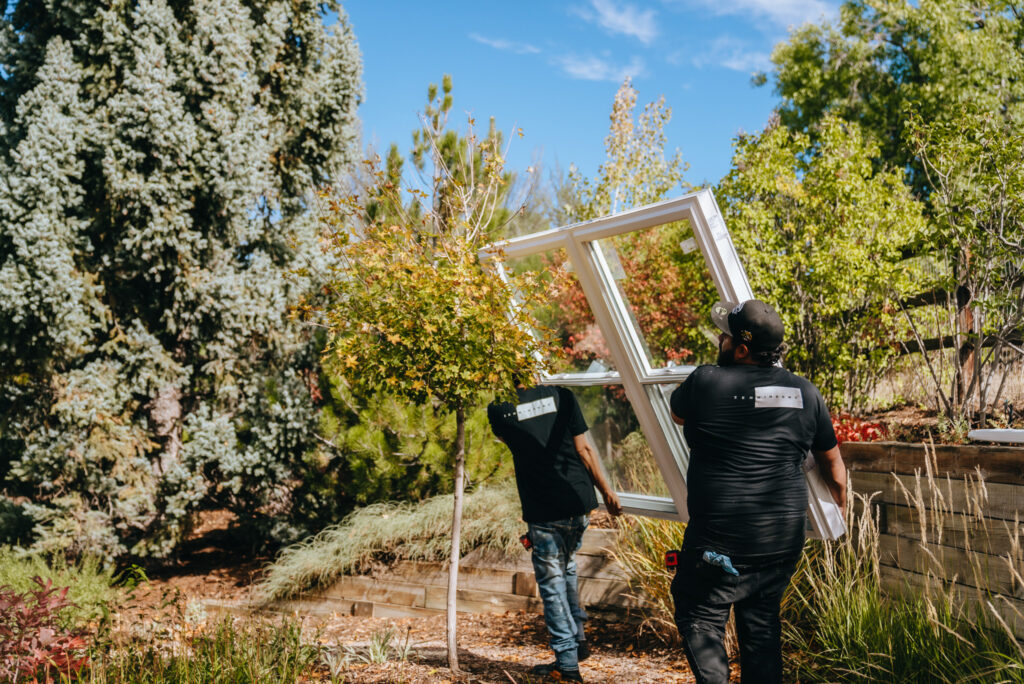
Vinyl windows, which are lightest and easiest to move, typically have the most affordable installation prices. They are also the most forgiving; if there are imperfections in the opening for the window, it’s easier for installers to work around them.
Wood and fiberglass windows tend to be heavier, which can increase their installation cost. Wood windows require exceptional craftsmanship, and fiberglass windows are very rigid, which means measuring for them has to be exact.
Return on Investment
We can’t talk about cost without talking about the return on your investment. After all, replacing windows is a significant investment no matter what material you choose.
Vinyl windows have the lowest cost, and fiberglass windows have the best long-term value. If you’re looking to maximize your investment, then either of these options is your best bet. Wood windows can last a long time, but you have to properly maintain them in order to get the most out of them.
Energy Efficiency Comparison
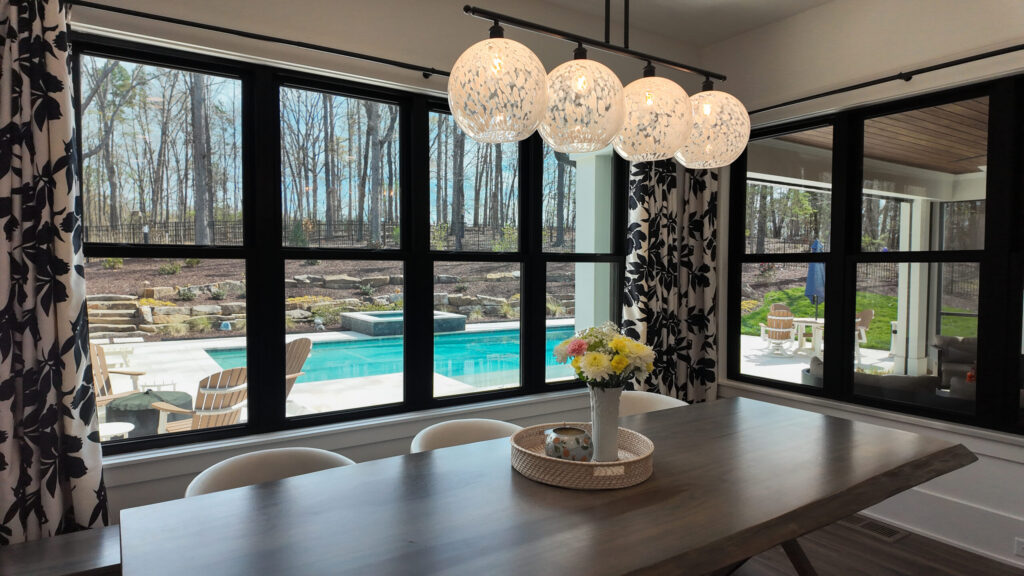
Paired with the right glass, all three types of windows can be incredibly energy-efficient. The biggest factor in energy efficiency isn’t just the frame; it’s the combination of frame, glass, and installation quality. With that in mind, here’s a quick look at how these three compare:
- Vinyl windows are built with multi-chambered frames that help trap air and reduce heat transfer.
- Wood windows are naturally insulating, making them a strong performer when properly maintained.
- Fiberglass windows offer excellent insulation and maintain their performance over time due to their stability.
Vinyl and fiberglass windows have very tight seals, which means there is less worry about air leakage or drafts. Wood windows, on the other hand, are more susceptible to expanding and contracting due to weather conditions, which could cause warping and seal failures.
If you’re concerned about energy efficiency, look for windows that meet Energy Star certifications. This can help reduce heating and cooling costs throughout the year.
Durability and Lifespan Comparison
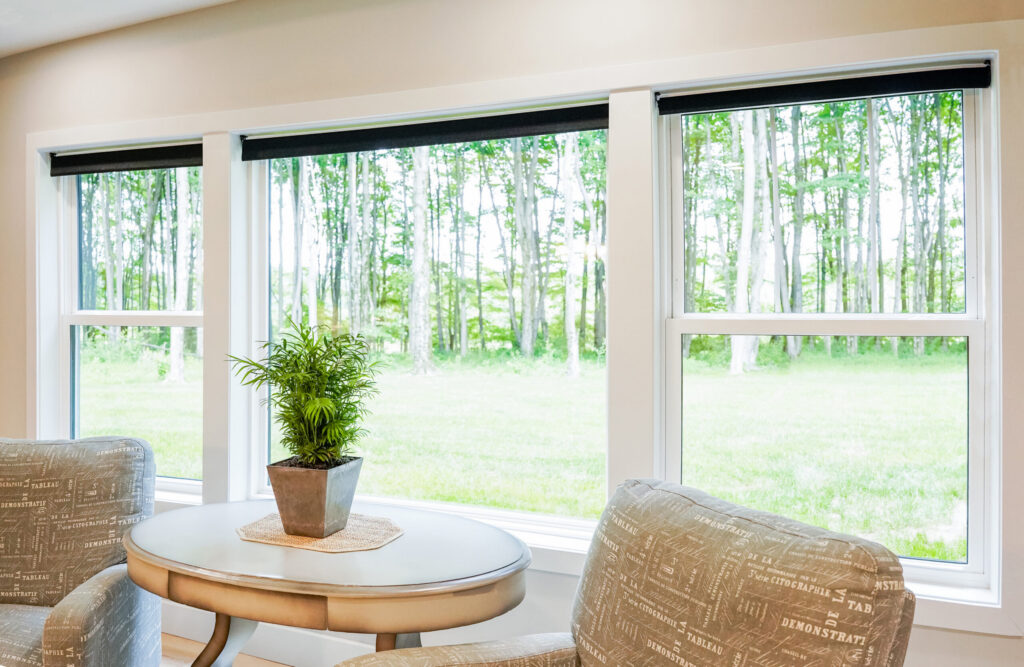
How long your windows last depends on the material and the environment they’re exposed to. Generally, here’s what you’ll find:
- Vinyl windows: Last about 20 to 30 years
- Wood windows: Last about 15 to 30 years (with proper maintenance)
- Fiberglass windows: Last about 30 to 50 years
Which Window Is Best for Your Climate?
If you live in a hot climate, fiberglass and vinyl are the most reliable options. All three window types do well in the cold, and wood acts as a natural insulator. If your environment is humid, steer clear of wood, which is vulnerable to rot.
In North and South Carolina, where heat and humidity are major factors, vinyl and fiberglass windows tend to perform best because they resist moisture and won’t warp or rot like wood can.
Maintenance Requirements
Both vinyl and fiberglass windows are very low maintenance. Cleaning them occasionally with soap and water will keep them looking nice and prevent dust and dirt from creeping into mechanical parts. You don’t have to paint or seal them.
Wood windows require more work. To keep them looking beautiful, you will need to paint or stain them every few years, especially if they get direct sunlight. You have to seal wood windows to prevent moisture damage, just as you would reseal your deck. Experts recommend re-sealing and re-caulking wood windows every five years or as-needed.
Which Window Is Best for You? The Bottom Line
For most homeowners, vinyl windows offer the best balance of affordability, performance, and low maintenance. If you want maximum durability and plan to stay in your home long-term, fiberglass may be worth the investment. Lastly, if your top priority is appearance and customization, wood windows may be the right fit; just be prepared for the upkeep!
Ready to Replace Your Windows?
FAQs: Vinyl vs Wood vs Fiberglass Windows
Are fiberglass windows worth the cost?
Yes, fiberglass windows are often worth the higher upfront cost if you’re focused on long-term value. They are extremely durable, highly energy efficient, and can last up to 50 years with minimal maintenance. Because they resist warping, cracking, and weather damage, they tend to maintain their performance longer and can even offer a strong return on investment over time.
That said, if you’re on a tighter budget or plan to move soon, vinyl windows may offer a better short-term value.
Do vinyl windows lower home value?
Quite the opposite! Vinyl windows often improve the value of your home because they can boost your energy efficiency and improve curb appeal.
How long do wood windows last?
Wood windows can last between 15 to 30 years, but that’s only if you properly maintain them. They must be sealed to prevent damage, and you will need to paint or stain them every few years to maintain their aesthetic.
Which windows are most energy efficient?
Generally, vinyl and fiberglass windows perform the best when it comes to energy efficiency. Vinyl windows offer great insulation and sealing, whereas fiberglass is known for its ability to mitigate expansions and contractions.
Can fiberglass windows look like wood?
Fiberglass windows can closely mimic real wood, and some vinyl options offer wood-grain finishes.