
Last updated: August 20, 2026
Can the Sun Damage Your Windows? Signs of UV Damage in Carolina Homes
You have probably thought about protecting your skin from the sun. But what about your windows?
Here in the Carolinas, we get plenty of sunshine throughout the year, especially during the long, hot summers. While natural light makes a home feel brighter and more inviting, years of UV exposure can gradually wear down older windows and even damage the areas around them.
The effects usually happen so slowly that they're easy to overlook. Fading furniture, discolored window frames, rising energy bills, or rooms that always seem too warm can all point to windows that are no longer performing the way they should.
Here's how the sun affects your windows and the signs it may be time to consider window replacement.
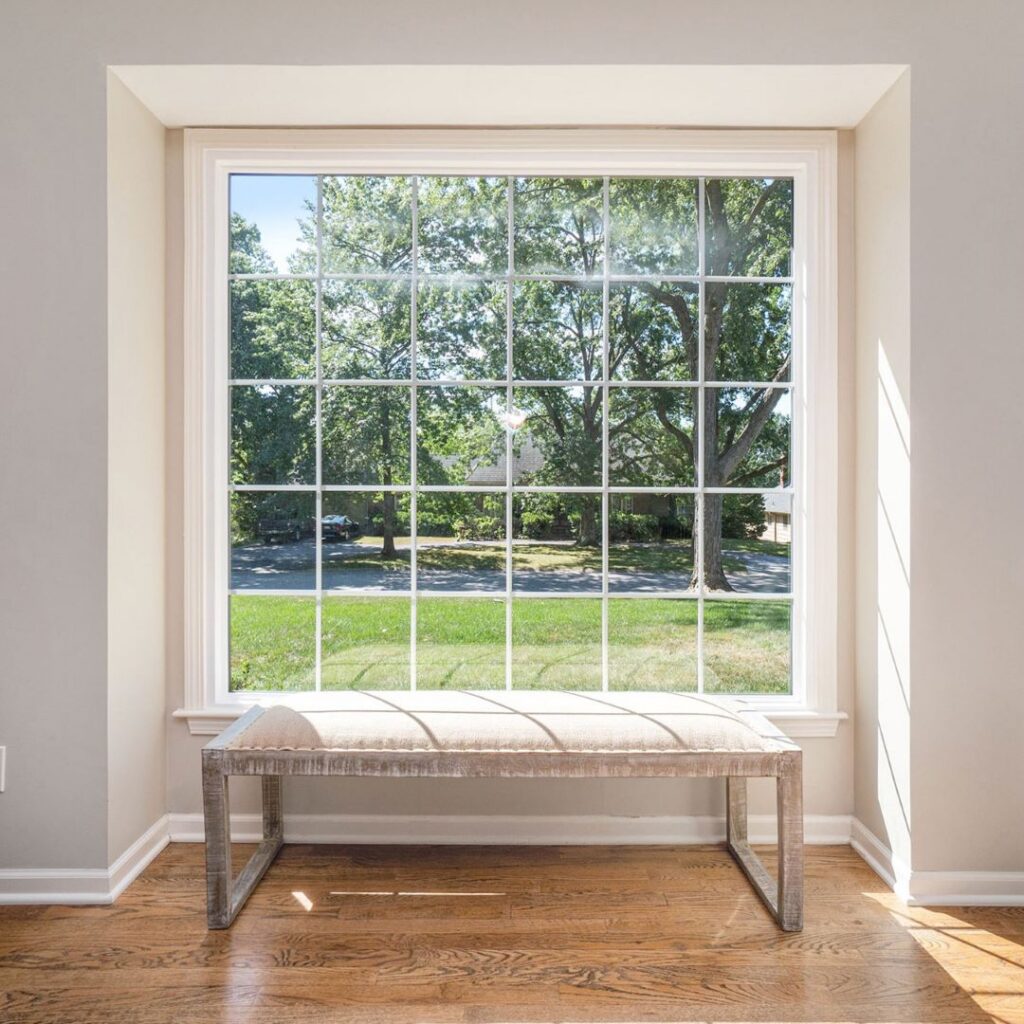
5 Ways UV Rays Affect Your Windows
Ultraviolet (UV) rays are a form of solar radiation that passes through ordinary glass. Over time, prolonged exposure can affect not only the materials inside your home but also the windows themselves.
Older windows, especially those without modern Low-E glass coatings, allow significantly more UV rays and solar heat to pass indoors. That means your HVAC system works harder, your furnishings receive more sun exposure, and your windows may begin showing signs of age sooner than expected.
1. Fading Floors, Furniture, and Curtains
One of the most noticeable signs of excessive UV exposure isn't the window, it's everything around it.
If you've noticed any of the below, your windows may not be blocking much ultraviolet light.
- Hardwood floors fading near windows
- Rugs developing lighter patches
- Furniture losing its original color
- Curtains or blinds bleaching over time
Modern Low-E glass helps filter a large percentage of harmful UV rays while still allowing natural light into your home.
2. Certain Rooms Are Always Hotter
Does your upstairs bonus room feel like an oven every afternoon? Do south- or west-facing rooms become uncomfortable long before the rest of the house?
Those rooms receive the strongest afternoon sun, which puts additional stress on older windows. If the glass isn't designed to reduce solar heat gain, you'll often notice:
- Hot spots throughout the house
- Increased glare
- More frequent HVAC cycling
- Higher cooling costs
This doesn't always mean your air conditioner is the problem, it could be that you don't have energy-efficient windows.
3. Window Frames Are Discoloring or Warping
Sunlight doesn't just affect the glass.
Years of heat and UV exposure can take a toll on the window frame itself.
Depending on the material, you may notice fading, yellowing, cracking finishes, warping, expansion, or contraction.
High-quality vinyl replacement windows are designed to handle North and South Carolina's changing temperatures and resist many of these issues far better than older materials.
4. Broken Window Seals
If you see fog or condensation trapped between the panes of glass, the insulated seal has likely failed.
While seal failure can happen for several reasons, years of exposure to heat and temperature fluctuations can contribute to the problem. Once the seal is broken, the insulating gas escapes, reducing the window's efficiency and making it harder to keep your home comfortable.
If you're seeing condensation between panes, replacing the insulated glass or, more commonly, the window itself, is often the best long-term solution.
5. Your Energy Bills Keep Climbing
Sun damage isn't always visible. Sometimes the first clue appears on your monthly utility bill.
As windows lose their insulating ability, more heat enters during the summer, and conditioned air escapes more easily. Even if the windows still look fine from the outside, they may no longer perform as they once did. If you've noticed cooling costs increasing each summer, aging windows may be part of the reason.
How Modern Windows Help Protect Your Home
Today's replacement windows are built very differently than those installed 20 or 30 years ago.
Many include:
- Low-E glass coatings that reduce UV exposure
- Argon gas between panes for improved insulation
- Warm-edge spacer systems
- Better weatherstripping
- Durable vinyl frames that resist fading and moisture
Together, these features help improve comfort while protecting floors, furniture, and other interior finishes from excessive sun exposure.
Should You Replace Sun-Damaged Windows?
Not every faded floor means you need new windows.
But if you're noticing several of these signs together—hot rooms, rising energy bills, failed seals, or visible wear on the frames—it may be worth taking a closer look.
RELATED: Are Replacement Windows Worth It?
The good news is that replacement windows do more than improve appearance. They can make your home more comfortable year-round while helping reduce cooling costs and protecting the things inside your home from continued UV exposure.
At Zen Windows Carolinas, we're happy to answer questions and provide straightforward recommendations without high-pressure sales tactics.
Frequently Asked Questions
Can sunlight really damage windows?
Yes. Years of UV exposure and heat can contribute to fading, seal failure, frame discoloration, and reduced energy efficiency, especially in older windows.
Which windows get the most sun?
South-facing and west-facing windows typically receive the strongest sunlight during the day and often experience the greatest heat buildup.
Do new windows block UV rays?
Modern replacement windows with Low-E glass can block a significant amount of harmful UV radiation while still allowing natural light into your home.
Can windows prevent furniture from fading?
No window blocks 100% of UV rays, but modern Low-E glass greatly reduces the amount that enters your home, helping protect flooring, furniture, artwork, and fabrics.
How do I know if UV damage is affecting my windows?
Common signs include fading around windows, rooms that stay noticeably warmer, condensation between panes, discolored frames, and increasing energy bills.